You see “A.I.R.” in a SoHo loft listing and your heart skips a beat. The character, the scale, the history — it all draws you in. Then the questions start: Is it legal to live there? Can you finance it? Will insurance cover you? In this guide, you’ll learn what A.I.R. really means, how SoHo lofts are legalized, and the due diligence steps to take before you make an offer. Let’s dive in.
What A.I.R. really means in SoHo
A.I.R. stands for “Artist in Residence.” In SoHo, the term grew from the mid‑century era when artists converted industrial floors into live/work spaces. Today, A.I.R. is often used as a cultural or marketing label rather than a legal classification.
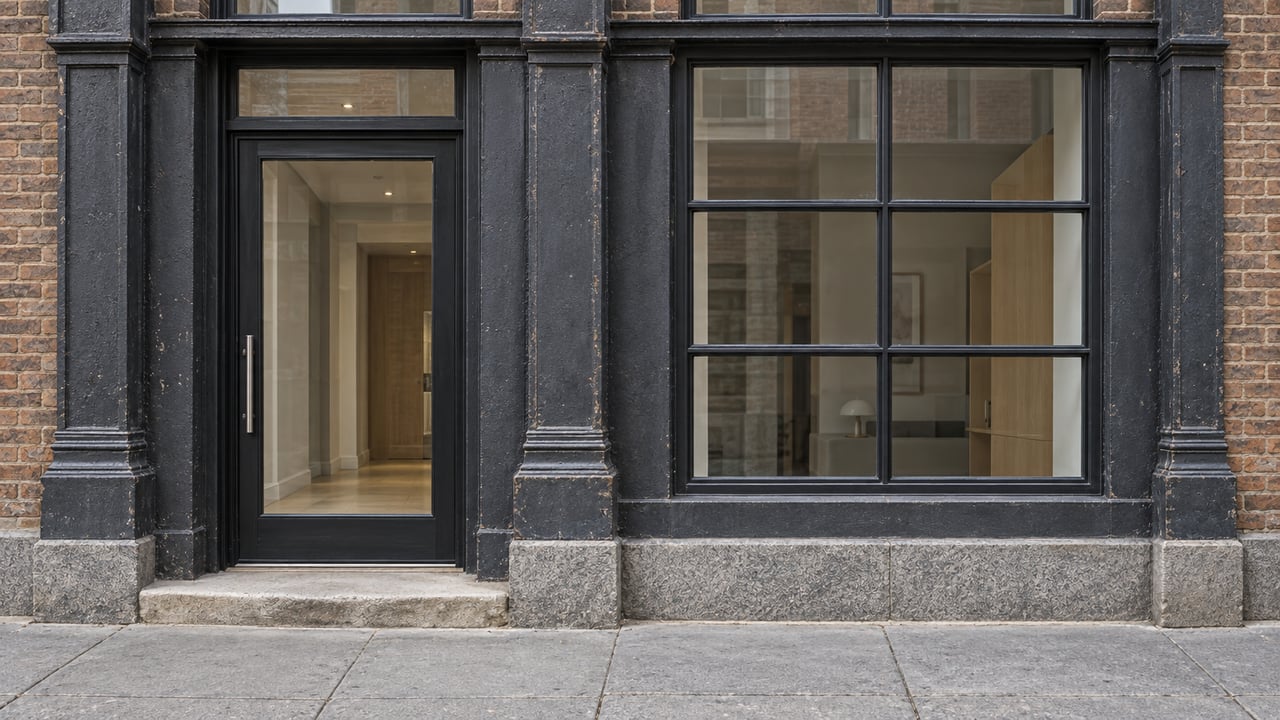
What matters to you as a buyer is not the word “artist,” but whether the loft is legally approved for residential use. SoHo’s character is also shaped by the SoHo‑Cast Iron Historic District, which preserves facades and limits exterior changes, affecting renovation timelines and costs.
The legal status that matters
When you evaluate a SoHo loft, you will typically encounter one of three legal statuses:
- Residential Certificate of Occupancy (C of O). The building or unit has a valid residential C of O. This is the cleanest path for financing, insurance, and resale.
- Interim Multiple Dwelling (IMD) under the Loft Board. The building is registered with the NYC Loft Board under New York’s Loft Law. There is a defined legalization process, and tenant/landlord rules may differ from standard apartments.
- Unauthorized residential use. The unit is being used as a residence without formal legalization or registration. This carries higher transactional risk, more lender scrutiny, and potential insurance gaps.
How to verify legalization
Your goal is to confirm the paper trail that supports residential use and ongoing compliance. Work with counsel and qualified consultants to verify the following.
Certificate of Occupancy
Ask for the current Certificate of Occupancy and any amendments. You want proof that residential occupancy is permitted. If the seller cannot provide a residential C of O, assume added cost, extended timelines, and regulatory risk.
Loft Board registration
If the building is an IMD, confirm its Loft Board registration number, whether there are Orders to Comply, and where the unit stands in the legalization plan. The Loft Board administers petitions, legalization schedules, and related enforcement.
Department of Buildings records
Review Department of Buildings filings, permits, and violations. Pay special attention to fire and life‑safety issues, means of egress, sprinklers, alarms, and any change‑of‑use or alteration applications. Open Environmental Control Board cases are common in older loft buildings and should be quantified.
Landmarks and zoning
SoHo sits within a historic district where exterior work visible from the street requires Landmarks Preservation Commission review. Zoning in SoHo and adjacent special districts can affect permitted uses and the scope of alterations. Verify the tax lot’s zoning designation and applicable rules before planning renovations.
What legalization usually requires
Legalization from commercial to residential use often includes:
- Fire and life‑safety upgrades such as sprinklers, alarms, and compliant egress.
- Minimum light and ventilation standards, plus approved plumbing and electrical systems.
- Mechanical, plumbing, and electrical separation suited to residential classification.
These items can be substantial line items in your budget and timeline, so it helps to bring in an architect or engineer early.
Tenancy and rent regulation
Legalization can create rent‑regulated status for some occupants, including Loft Law protections or rent stabilization. If you are buying in a building that converted to a condo or co‑op, review the offering plan, rent roll, and any tenant buyout agreements. You want to confirm whether any occupants are regulated and whether there are limits on rent increases or evictions. This affects both your carrying costs and your exit strategy.
Financing a SoHo loft: what lenders look for
Most conventional lenders want legal residential status, typically proven by a residential C of O or equivalent documentation. Without that, you may be limited to cash or non‑conforming loans that come with higher rates and larger down payments.
- FHA/VA loans. These products have strict occupancy and building eligibility rules and are generally not available if residential use is not legal.
- Condos vs. co‑ops. Condo loans can be more straightforward if the condo is warrantable. Co‑ops require board approval and lender review of the co‑op’s financials and underlying mortgage.
- Mixed‑use buildings. Significant commercial space can raise eligibility issues for some lenders and change underwriting metrics.
- Appraisals. Unique loft features and limited comparable sales can make valuation challenging. Legal status and marketability influence the appraisal.
Before you get attached to a property, have a lender who knows the NYC loft market review the building’s paperwork and your financing options.
Insuring a loft: exposure to plan for
Insurance is another area where legal use matters.
- Master vs. individual policies. Condos and co‑ops carry master policies for the building. You will still need a unit owner’s policy for interiors and liability. Confirm exactly what the master policy covers.
- Mixed‑use exposure. Commercial tenants can introduce additional liability and environmental exposure. Some insurers price this into premiums or limit coverage.
- Environmental and historical hazards. Many older buildings have lead paint, asbestos, or legacy fuel tanks. Remediation can be costly and complicate insurability; environmental assessments may be warranted.
- Flood risk. Lower Manhattan has flood exposure. If the building is in a flood zone, confirm that flood insurance is in place and adequate, and whether your lender will require additional coverage.
- “Use” exclusions. If a building is still classified as commercial and you live there, an insurer could deny a claim tied to residential use. Align the policy with actual, legal use.
Questions to raise early:
- Will an insurer write a policy given the building’s legal status and loss history?
- Does the master policy include flood and pollution coverage or exclude certain hazards?
- Are code upgrades or remediation required before coverage binds?
Due diligence checklist before you offer
Use this list with your attorney and advisors to de‑risk your offer.
Legal status and records
- Obtain the Certificate of Occupancy and any amendments; if none, collect filings that show legalization steps.
- Check Loft Board records for registration number, IMD status, petitions, and Orders to Comply.
- Verify zoning designation and whether the property sits in a SoHo/NoHo special district or historic district that affects use and alterations.
- Order a title search and survey to identify easements, covenants, litigation, and any recorded offering plans.
Building operations and financial health
- Review condo/co‑op financials, budgets, reserve studies, and recent board minutes.
- Identify recent or pending capital projects tied to code compliance and Landmarks work.
- Confirm any special assessments and how they are allocated.
Physical and code condition
- Pull current DOB violations, ECB fines, and permit history.
- Verify installed fire‑suppression systems, alarm certifications, and egress compliance.
- Commission an engineer or architect to inspect structural, mechanical, HVAC, plumbing, and life‑safety systems.
- Consider an environmental review for asbestos, lead, tanks, or prior industrial uses.
Tenancy and rent regulation
- Review rent rolls, leases, and Loft Board or DHCR registrations.
- Confirm if occupants are rent‑regulated or if there are pending tenant petitions.
- For co‑ops, read the proprietary lease and sublet policies.
Insurance and disaster exposure
- Request the building’s master policy and loss history; confirm property, liability, and flood coverage.
- Check flood zone designations and whether coverage levels are adequate for the location.
Renovation and conversion costs
- Get estimates from a loft‑savvy architect or expeditor for code upgrades and approvals.
- If exterior work is planned, budget for Landmarks fees and potential delays.
Transactional protections
- Include contingencies for clear title, legal status verification, financing, inspections, and environmental reviews.
- Consider escrows or price adjustments to account for unresolved risks.
Red flags for a discount or a walk‑away
- No residential C of O and no credible path to legalization.
- Outstanding fire, egress, or structural violations.
- Active litigation with tenants or large pending assessments tied to compliance.
- Environmental issues with unclear cost allocation.
- Non‑warrantable condo status or weak co‑op financials that impair resale or financing.
Pricing risk and value
A legal C of O often commands a premium because it unlocks conventional financing and wider buyer demand. By contrast, units without a clear legalization path should trade at a discount that reflects expected upgrade costs, approval timelines, and liquidity risk.
Think in terms of total project cost and time. Factor in design and construction, carrying costs during approvals, potential special assessments, and the impact of mixed‑use exposure on lender and insurer terms. If you cannot quantify these inputs with reasonable confidence, adjust price expectations or walk away.
Specialists to engage early
The right team helps you move fast while staying protected.
- Real estate attorney experienced with the Loft Law, IMDs, and SoHo transactions.
- Architect or engineer with NYC legalization and DOB/Landmarks experience.
- DOB expeditor to pull records and manage filings.
- Mortgage broker or lender with a track record in NYC loft financing.
- Insurance broker familiar with mixed‑use and Lower Manhattan exposure.
- Environmental consultant for a Phase I Environmental Site Assessment when needed.
- Title company to issue a commitment and surface curative actions.
A clearer path to the right SoHo loft
SoHo lofts are special for a reason. With the right diligence, you can enjoy the scale, light, and history while keeping financing, insurance, and compliance on track. Focus on the legal status first, quantify the real costs and timelines, and structure a contract that protects you while you underwrite the opportunity.
If you want a seasoned Manhattan advisor to help you locate, underwrite, and negotiate the right SoHo loft, connect with Elena Smirnova.
FAQs
What does A.I.R. mean in a SoHo loft listing?
- A.I.R. stands for Artist in Residence and reflects SoHo’s cultural history; it does not by itself make a unit legal for residential use.
How can I tell if a SoHo loft is legally residential?
- Ask for a residential Certificate of Occupancy or confirm Loft Board IMD registration and legalization status, then verify DOB filings and any Orders to Comply.
Can I get a mortgage without a residential C of O?
- Most conventional lenders require legal residential status; without it, options are usually cash or specialty loans with higher rates and larger down payments.
What is an Interim Multiple Dwelling (IMD) under the Loft Board?
- An IMD is a building registered under the state Loft Law with a defined path to legalize residential use; it has unique tenant and landlord rules during the process.
Will insurance cover me if the building is still classified commercial?
- Insurers can deny claims tied to residential occupancy if use is not legal; align coverage with actual, legal use and confirm master policy scope and exclusions.
Does the SoHo historic district affect my renovation?
- Yes. Exterior work visible from the street typically requires Landmarks approval, which can extend timelines and shape design and cost.