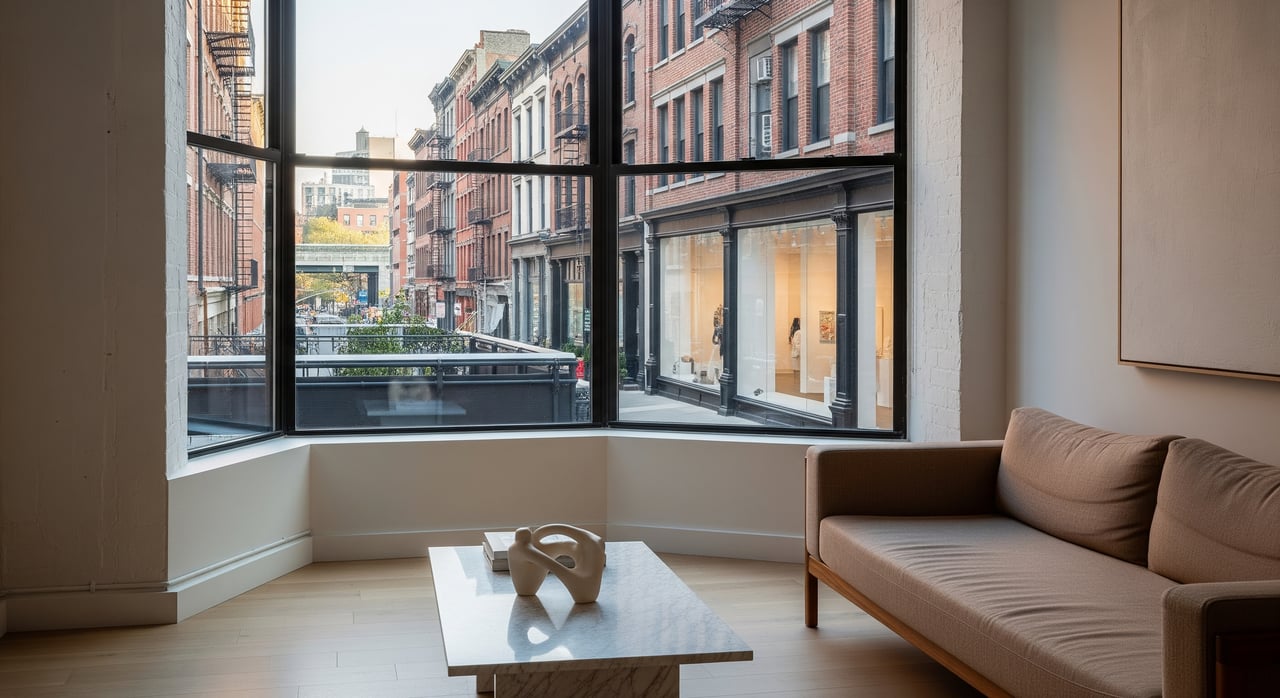
Love the idea of stepping out your door and into world-class galleries, the High Line’s greenery, and riverfront sunsets? If you’re drawn to Chelsea’s creative energy, you’re not alone. The key is choosing the right block and building so you get the culture you want without the noise you don’t. In this guide, you’ll learn how different parts of Chelsea feel, what building types to expect, when foot traffic peaks, and a simple checklist to shop with confidence. Let’s dive in.
Chelsea at a glance
Chelsea runs roughly from 14th Street to the low 30s, and from Sixth Avenue to the Hudson River. The western side near the High Line and the gallery district has the highest concentration of cultural activity. The eastern side trends more residential with quieter side streets.
If you’re new to the area, start by exploring the elevated park known as the High Line, the food destination at Chelsea Market, and the waterfront paths in Hudson River Park. These landmarks shape daily life and foot traffic.
West vs. East Chelsea
- West Chelsea: Lofts, galleries, and High Line access define these blocks between about Ninth and Eleventh Avenues. Expect more daytime visitors and evening energy on opening nights. You’ll find larger industrial-style spaces and mixed-use blocks.
- East Chelsea: Quieter, more traditional residential fabric east of Sixth Avenue. You’ll see prewar walk-ups, co-ops, and townhouses with calmer streets and local conveniences.
Both sides are walkable to transit and Midtown. Your choice depends on how much activity you want right outside your door.
Block-by-block feel near the galleries
- South Chelsea, 14th–18th Streets: A busier, more touristic vibe tied to Chelsea Market and the southern entrances to the High Line. Weekends feel lively with food and shopping crowds.
- Gallery core, 18th–23rd Streets around Tenth–Eleventh Avenues: Historic gallery clusters, converted warehouses, and weekday opening events. Expect more visitors on gallery days.
- North band, 24th–34th Streets: Newer development near Hudson Yards and a slightly calmer feel compared to the mid-20s gallery strip. You’re still within walking distance of the High Line.
- East side of the neighborhood: Primarily residential streets with lower tourist foot traffic and smaller commercial corridors.
Tip: Use the NYC Department of City Planning neighborhood maps to orient yourself, then walk the exact blocks you’re considering.
Building types and what to expect
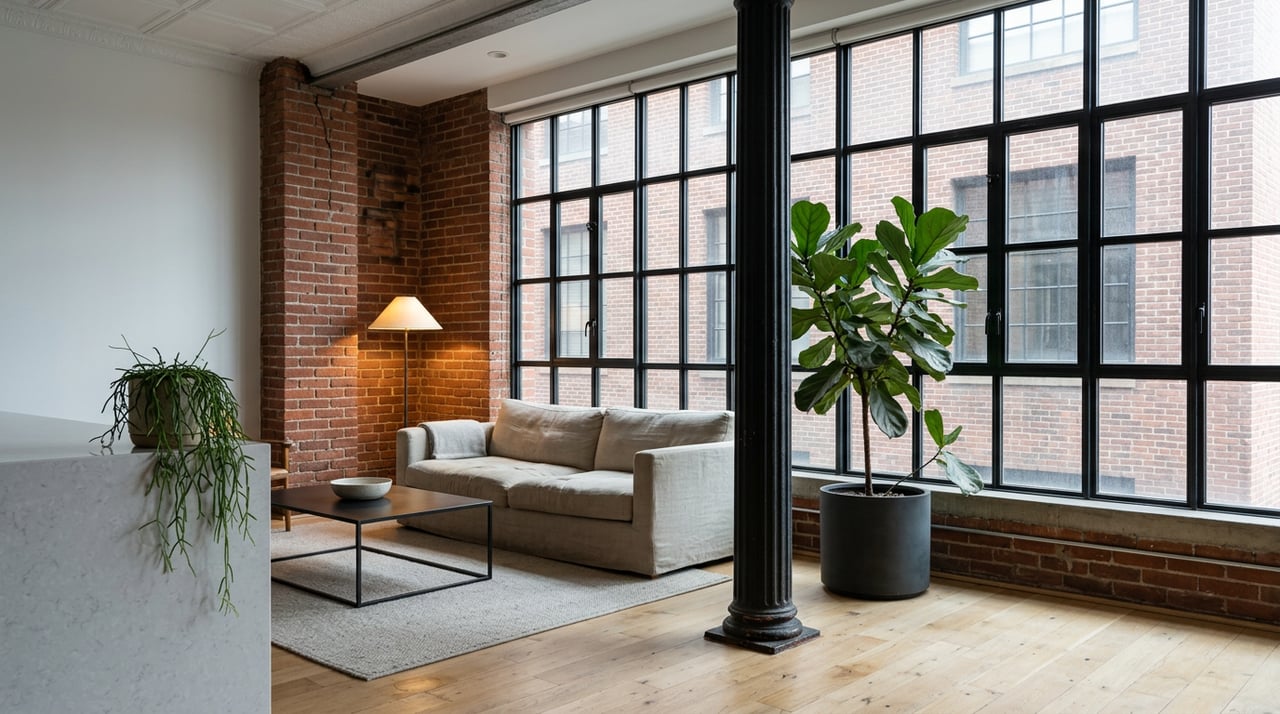
- Loft conversions and warehouses: High ceilings, big windows, and open layouts are common in West Chelsea. They’re excellent for art lovers who want wall space and volume. Soundproofing and mechanicals can vary by building.
- Prewar walk-ups and brownstones: More common east and mid-neighborhood. Co-op ownership is typical. Expect stairs, classic layouts, and potential for lower monthly maintenance compared to full-service condos.
- Mid-rise elevator buildings: Scattered throughout, with mixed finishes and amenity levels. Rules differ by building.
- New high-rise condos: Concentrated in northern Chelsea and near Hudson Yards. You’ll see modern amenities, better window systems for sound, and higher monthly common charges and taxes.
Ownership basics:
- Co-op buyers: Expect stricter board approvals and renovation guidelines. Financing and subletting rules are building-specific.
- Condo buyers: More flexibility for subletting and renovations, subject to building policies.
When it gets busy
- Gallery openings: Many openings have traditionally been held on Thursday evenings. Expect more pedestrian activity along Tenth and Eleventh Avenues and on blocks with gallery clusters. Schedules can vary, so confirm with galleries near your target building.
- Weekends and holidays: The High Line and Chelsea Market draw the largest crowds. Foot traffic spikes around park entries and ground-floor businesses under or adjacent to the park.
- Seasonal swings: Spring through fall brings the highest visitor counts to outdoor spaces.
If you want energy without the buzz, consider a mid-block address or a higher floor set back from the avenues. Upper floors and units facing courtyards tend to be quieter.
Getting around: transit, bikes, and parking
Chelsea is well served by multiple subway lines and buses, and it’s walkable to major Midtown and Downtown hubs. You’ll also have riverfront paths for biking and jogging along Hudson River Park, plus easy access to the Chelsea Piers sports complex for fitness, skating, and classes.
Parking is limited and expensive. Most residents do not own cars. If a vehicle is essential, target buildings with on-site garages or reliable nearby facilities and factor monthly garage fees into your budget.
Amenities buyers love
- Parks and play: Stroll the High Line and the waterfront lawns in Hudson River Park, and explore local green spaces listed on NYC Parks.
- Food and culture: Sample local specialties at Chelsea Market and enjoy rotating public art along portions of the High Line.
- Recreation: Train, skate, or swim at Chelsea Piers. The river promenade offers year-round running and cycling.
Schools and services are available in and around the neighborhood. Confirm options by address and commute preferences.
Where to look based on your priorities
Culture-first access
- Look on West Chelsea blocks near the High Line and Tenth–Eleventh Avenues from about 14th–23rd Streets.
- Trade-offs: Higher foot traffic, evening events on opening nights, and more mixed-use buildings.
Balanced lifestyle
- Look on mid-blocks in the north and south bands or east of Sixth Avenue, where you can still walk to galleries and parks.
- Trade-offs: A calmer residential feel with a slightly longer walk to the busiest corridors.
Privacy and low noise
- Look in northern Chelsea from the mid-20s to low-30s, especially east of Sixth Avenue, or in newer towers with upgraded sound insulation.
- Trade-offs: A longer walk to the gallery core and southern High Line entrances.
Value-focused search
- Look at smaller co-ops, walk-ups, and east-side blocks further from the High Line and heavy tourism.
- Trade-offs: Co-ops require stricter board approvals and may have more rules. Amenities can be limited compared to full-service condos.
Due diligence checklist for Chelsea buyers
- Visit at different times: Weekday mornings, a gallery evening, and weekend midday to gauge crowds, deliveries, and noise.
- Evaluate floor and orientation: Higher floors and bedrooms facing away from avenues or the High Line are usually quieter.
- Confirm building rules: Understand co-op versus condo terms, renovation policies, and any limits on subletting or pied-à-terre use.
- Inspect sound and systems: Ask about window type, HVAC noise, and any shared walls with active commercial tenants.
- Plan parking and storage: If you need a car or extra storage, confirm availability and costs early.
- Review comps and trends: Look at recent sales in the building and on the same block, since pricing varies within micro-locations.
- Check development activity: Ask about pending projects or rezoning that could affect light, views, or traffic.
- Safety and lighting: Review recent precinct statistics and walk the block at night to assess street lighting and visibility.
- Gallery schedules: If events are a plus for you, make a list of nearby galleries and confirm their programming cadence.
Smart showing strategy
- First visit: Weekday late morning or early afternoon to experience daily rhythms and deliveries.
- Second visit: A Thursday evening when galleries are more active, if applicable, to test noise and pedestrian flow.
- Weekend check: Midday Saturday or Sunday to see High Line and Chelsea Market visitors and how that affects nearby streets.
How I help you buy in Chelsea
You want culture, convenience, and a layout that fits your life. I help you narrow to the right micro-blocks and buildings, quantify trade-offs, and negotiate from a position of clarity. I will map walk times to park entrances, evaluate sound exposure by orientation and floor, and highlight building-level rules that impact resale and flexibility.
When you’re ready to see the best options near the galleries, reach out. Work with Elena Smirnova for a focused, data-driven search tailored to how you live.
FAQs
Is living next to the High Line noisy?
- Expect more pedestrian activity near access points, with noise that is intermittent and concentrated along the park and adjacent businesses; higher floors and units set back from avenues are typically quieter.
Do gallery openings run late at night?
- Openings are often evening events clustered on specific nights, historically Thursdays, and they usually wrap by late evening rather than going late into the night.
Is Chelsea suitable for families seeking parks and activities?
- Yes, you have access to the High Line, riverfront lawns and paths in Hudson River Park, local playgrounds listed on NYC Parks, and programming at Chelsea Piers.
How does being near galleries affect resale?
- Proximity to cultural assets can boost appeal for many buyers, though higher street-level noise may deter others, so building type, orientation, and block choice matter.
What if I need parking in Chelsea?
- Street parking is scarce, so target buildings with on-site garages or secure nearby facilities, and plan for monthly garage fees in your budget.