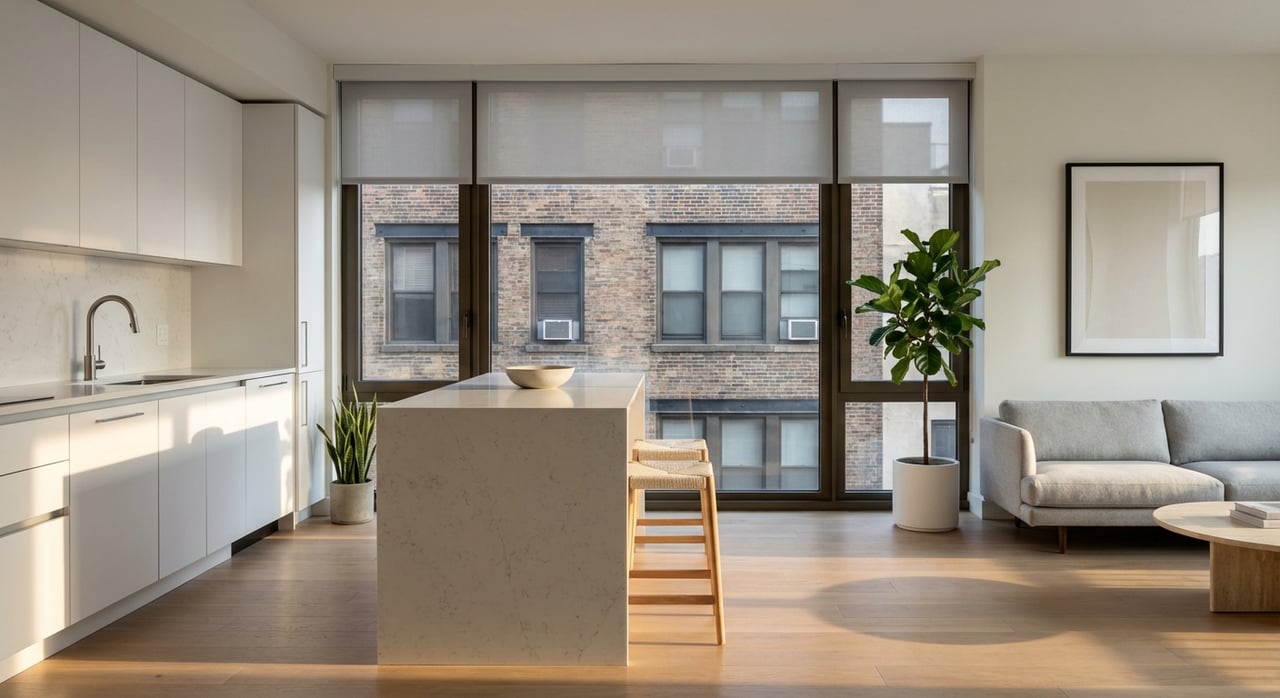
Torn between a glassy High Line condo and a character-packed loft? In Chelsea, where over 200 art galleries shape the neighborhood’s identity, you have strong options at very different price points and lifestyles. You want clarity on how new developments compare to older co-ops and loft conversions, what drives monthly costs, and how board rules and building risks affect you. This guide gives you the key tradeoffs, real market benchmarks, and a simple checklist so you can buy with confidence. Let’s dive in.
Chelsea market snapshot
Chelsea stretches from roughly 14th Street to the upper 20s and 30s, from Sixth Avenue to the Hudson. It is a global gallery hub with a concentration of art spaces that draw culture-focused buyers. You will often see it described as home to “200+ galleries,” a point that speaks to its lifestyle appeal for collectors and creatives. For context, see the neighborhood overview on Wikipedia’s Chelsea page.
On pricing, closed-sale datasets for Chelsea often show a median price per square foot in the roughly 1,500 to 2,000 dollars per square foot range, with variation based on whether the sample skews to condos or co-ops. PropertyShark’s closed sales snapshot recently showed a median PPSF near 1,594 dollars for Chelsea, while listing-based snapshots tend to run higher. The gap reflects differences between closed sales and asking data, and between condo-heavy and co-op-heavy samples. You can review the closed-sale perspective on PropertyShark’s Chelsea market page.
New development along the High Line and the west corridor has been a major driver of pricing and amenity expectations. Citywide reports also note that new development has been a meaningful share of Manhattan sales, with a strong cash-buyer presence that supports absorption at the upper end. For macro context, see Douglas Elliman’s Manhattan market reports.
New development vs. co-ops vs. lofts
Price and value
New-development condos typically sit at the top of Chelsea’s price spectrum, especially along the High Line. Recent examples illustrate the upper band: One High Line has registered average closings in the 3,100 dollars per square foot range in 2025, and Lantern House transactions show prices in the high 2,000s per square foot for many units, according to a 6sqft roundup of top-selling buildings. Citywide analysis often finds a measurable new-development premium. A 25 to 30 percent premium over comparable resale product is a common range.
Older co-ops usually trade lower than new condos on both price per foot and headline prices, in part because they include more mid-market inventory and smaller units. Closed-sale datasets for Chelsea show a meaningful gap between condo medians and co-op medians, which points to distinct buyer pools and amenities.
True loft conversions tend to price between the two. Their per-foot numbers can be lower than trophy new towers, yet total checks can be high because lofts are often large. Buyers pay for volume, ceiling height, and light rather than an extensive amenity package.
Finishes and layouts
New developments deliver contemporary mechanicals, central or high-efficiency HVAC, designer kitchens, and floor-to-ceiling glazing. One High Line listings highlight high-end appliance sets and custom millwork, which helps explain premium pricing. For a representative spec list, see a current One High Line listing with finish details.
Older co-ops often offer classic layouts, tall ceilings, and period details. Expect more variation in mechanicals and windows and factor in renovation scope if you want a modernized interior.
Loft conversions emphasize wide-open plans, tall windows, and raw materials like brick and beams. They are display-friendly for art and flexible for studios, but they can introduce renovation complexity. For typical loft traits, see this overview of industrial loft features.
Amenities and lifestyle
New development buyers pay for service and lifestyle. Full-time door staff, concierge, spa-grade gyms, pools, lounges, and landscaped terraces are common in Chelsea’s newer towers. Buildings like One High Line and Lantern House market curated services and specialty spaces, which add to common charges and the overall cost of ownership. See amenities cited in 6sqft’s building roundup and in representative listings.
Older co-ops and many loft buildings have lighter amenity packages. The upside is often lower baseline monthlies and a more intimate building feel, with character leading the experience.
Monthlies explained: maintenance vs. common charges
Co-op owners pay a single monthly maintenance fee. That fee usually includes the building’s operating costs plus the co-op’s property tax obligation and sometimes a share of any underlying mortgage. Condo owners pay a monthly common charge and then receive a separate property tax bill from the city. Because co-op maintenance includes taxes, it often looks higher than a condo’s common charges at first glance. The only fair comparison is common charges plus real estate taxes versus co-op maintenance. See the structural differences in Investopedia’s condo vs. co-op explainer and Manhattan averages discussed in this market analysis.
To compare monthlies, do this:
- Add a condo’s annual property tax to its common charges, then divide by 12.
- For a co-op, confirm whether maintenance includes a share of an underlying mortgage.
- Review assessment history and reserves, which can change your effective monthly.
Always add condo property taxes to common charges before you compare to co-op maintenance.
Rules, financing, and liquidity
Co-ops have board packages, financial reviews, and interviews, and many set down payment and post-closing liquidity minimums. Some boards expect 20 to 50 percent down, which narrows the buyer pool and can reduce investor interest. Condos tend to allow smaller down payments and are simpler for pied-à-terre and investor use. These differences affect resale liquidity. For an overview of rules and requirements, see Investopedia’s guide and typical down payment ranges outlined in this co-op buying checklist.
Quick side-by-side: Which fits your goals
| Product type | What you get | Typical monthlies (apples to apples) | Rules and financing | Best for |
|---|---|---|---|---|
| New-development condo | New systems, high-end finishes, full-service amenities, west-side water and High Line access | Common charges plus property taxes. Amenity intensity can raise totals. | Flexible use, investor- and pied-à-terre-friendly. Often smaller required down payments. | Turnkey luxury, frequent travelers, concierge-level services |
| Older co-op | Classic layouts, character, often quieter buildings with modest amenities | Single maintenance that includes taxes and sometimes building debt | Board package and interview. Often 20–50 percent down and liquidity tests. | Value-conscious primary buyers who prioritize stability |
| Loft conversion | Volume, light, flexible open plans, unique layouts | Varies widely. Check taxes, common charges, and any assessments | Verify legalization, C of O, and renovation rules. Financing can be more specialized. | Display space for art, studios, entertaining |
Due diligence checklists
New-development condo
- Review sponsor track record, construction warranty, and completion status. These influence finish quality and closing timelines. A representative listing shows the level of detail you should expect in specs and warranties, like this One High Line example.
- Check unsold inventory and recent concessions to gauge sponsor motivation. City reports can help you understand absorption trends in the submarket. See Elliman’s market reports.
- Read the condo’s budget, reserve fund, assessment history, and common charge trends.
- Confirm any tax abatements or credits, which can lower early-year carrying costs.
Older co-op
- Read board minutes for upcoming capital projects, flip taxes, and policy shifts.
- Confirm reserve fund strength and whether the building has an underlying mortgage.
- Verify sublet policy and any limits that could affect future rental income or resale. See policy differences in this overview.
- Ask about renovation rules and deposits. Some boards have strict contractor and work-hour requirements.
Loft conversion or former industrial unit
- Confirm certificate of occupancy, Loft Law or Loft Board coverage, and that any legalization is complete. Outstanding violations or incomplete sign-offs can affect lending and insurance. The NYC DOB outlines key steps in its loft owner checklist.
- Evaluate the soundness of added partitions, mechanicals, and building systems. Ensure plumbing, electrical, and ventilation can support your intended use.
How to position your offer
- Price to product. If you want trophy finishes and amenities, set expectations above the Chelsea median PPSF. Examples like One High Line and Lantern House help show why upper-band pricing clears. See recent sales context in 6sqft’s report.
- Compare true monthlies. Build an apples-to-apples view before negotiating. A condo with lower common charges may still carry higher total monthlies once you add taxes.
- Leverage sponsor dynamics. If there is visible unsold inventory, explore closing credits, storage or parking incentives, or minor finish upgrades. City reports on Elliman can help you read the broader absorption picture.
- Plan your timeline. New development with punch-list work can require a buffer. Co-op board approvals take time. Loft permit work can extend closing or require post-closing projects.
When you want a clear, side-by-side comparison for specific buildings and a negotiation plan that fits your goals, connect with Elena Smirnova. You will get data, local context, and a calm process from offer to closing.
FAQs
What makes Chelsea new development condos more expensive than older options?
- They combine new systems, high-end finishes, and full-service amenities. Along the High Line, recent transactions at buildings like One High Line and Lantern House show upper-band pricing per square foot, as noted by 6sqft.
How do condo monthlies compare to co-op monthlies in Chelsea?
- Co-op maintenance usually includes building taxes and sometimes debt, while condos bill common charges plus a separate property tax. Always add condo taxes to common charges before comparing to co-op maintenance, per Investopedia’s guide and supporting analysis from Manhattan Miami.
Are Chelsea lofts a good fit for displaying art collections?
- Often yes. Lofts prioritize volume, tall windows, and long wall runs that work well for display and flexible studio use, as described in this loft overview. Confirm climate control needs and any renovation scope.
What should I check before buying a new development condo in Chelsea?
- Review the sponsor’s track record, the building budget and reserves, assessment history, any tax abatements, and recent concession patterns. For market context, see Elliman’s reports and use listing-level specs like this example to benchmark finishes.
How do co-op board rules affect financing and resale?
- Co-ops often require larger down payments, liquidity tests, and an interview, which narrows the buyer pool but can stabilize building culture. Condos are typically more flexible, which can support liquidity. See guidance in Investopedia and down payment norms in this checklist.
What are the legal risks to check in a Chelsea loft conversion?
- Confirm the certificate of occupancy and Loft Law or Loft Board status, plus any open DOB violations and final sign-offs. The NYC DOB’s loft checklist outlines key steps that affect lending, insurance, and renovations.