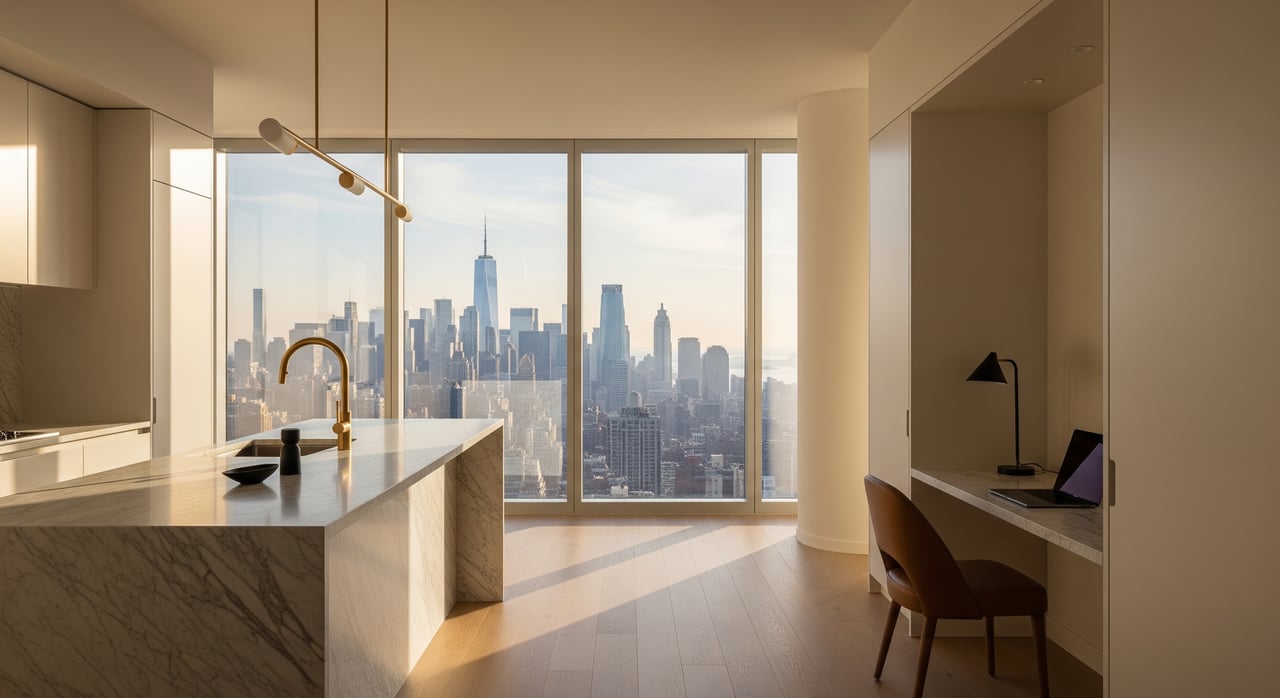
Want to spend less time commuting and more time living? If you work in or around Midtown, a condo in 10022 puts you close to offices, clients, and transit, without giving up comfort or quiet. You want a home that works for hybrid schedules, handles packages smoothly, and holds its value. This guide shows you how to choose the right Midtown East condo, what tradeoffs to watch, and how to plan for a clean closing and strong resale. Let’s dive in.
Why 10022 works for professionals
Midtown East is central, vertical, and built for convenience. You can walk to Grand Central, major office towers, and a wide range of dining and services within minutes. That proximity keeps your weekday simple and your evenings flexible.
Transit is the big draw. Grand Central connects you to the 4/5/6, 7, and the shuttle, plus regional rail on Metro‑North and the Long Island Rail Road. For many professionals, that means a short walk to trains, fewer transfers, and an easier trip for clients or colleagues visiting from the suburbs.
Hybrid work patterns also favor buildings with in-house workspaces and strong package handling. In 10022, you will find newer condos with co-working lounges, meeting rooms, and modern HVAC systems. Those features fit today’s routines and support long-term value.
Condo vs co-op at a glance
Many buildings in Midtown East are co-ops, but you have a healthy condo mix. Condos usually offer more flexible financing, faster closings, and easier sublet options. Busy buyers often prefer condos if speed and flexibility matter.
Co-ops can come with lower entry prices or monthly costs, but they require a board package, an interview, and more time. If you need a quick move-in or plan to keep rental options open, a condo is the straightforward path.
Quick checklist for your choice
- Speed and flexibility: Favor condos if you want quicker closings and easier subletting.
- Documentation load: Expect lighter board requirements in condos. Co-ops need detailed financials and an interview.
- Down payment: Condos often allow 10 to 20 percent depending on lender and product. Co-ops often expect 20 to 30 percent or more, set by the board.
- Hold period: Short to midterm plans (2 to 5 years) often align with condo flexibility. Longer holds can make co-op affordability attractive.
Building types and amenities
You will see a range of building styles inside 10022. Each comes with its own rhythm, rules, and value drivers.
- Prewar and elevator co-ops: Classic layouts, larger rooms, and character. Expect stricter board rules and a longer approval timeline.
- Postwar full-service condos: Reliable mechanicals, doorman buildings, and predictable services. Often a good balance of convenience and cost.
- New luxury high-rises: Glass towers with full amenity packages. Think fitness centers, lounges, roof decks, and concierge.
- Boutique conversions: Smaller properties converted from offices or hotels. Often modern interiors with fewer amenities but appealing layouts.
Amenities busy buyers value
- Doorman and concierge with organized package rooms or lockers.
- In-building fitness, yoga rooms, or partnerships with nearby gyms.
- Co-working lounges, quiet rooms, or private call booths that support hybrid work.
- In-unit washer/dryer, modern HVAC, and upgraded electrical.
- Secure bike storage and ready access to Citi Bike.
- Outdoor spaces like roof decks or terraces; private balconies are less common and prized.
- Smart tech, keyless entry, and strong building-wide Wi‑Fi in common areas.
Commute and transit made easy
Grand Central is a short walk from much of 10022. You get the Lexington Avenue line for fast north-south moves, the 7 train for crosstown access, and the shuttle to Times Square. Metro‑North and LIRR are right there for regional trips.
Crosstown and avenue buses expand your options, and Citi Bike stations are abundant for quick hops. The East 34th Street NYC Ferry landing can help some routes along the East River. If you drive, the FDR is nearby, but Midtown traffic is slow and garage parking is limited and costly.
If your office is in Midtown, expect short walks or one-train rides. If you commute to Downtown or Brooklyn, plan for a transfer, and weigh whether proximity to Grand Central offsets those extra steps.
Micro-location matters inside 10022
Not all blocks feel the same. Your exact address, exposure, and floor height shape daily life and value.
- Near Grand Central: Ultra convenient, higher foot and vehicle traffic. Great for transit and clients, with more street activity to manage.
- East toward the river: Quieter pockets near Sutton Place and Turtle Bay, with potential river views and slightly longer walks to some Midtown clusters.
- Avenues vs side streets: Lexington and Third are livelier and noisier. Side streets and higher floors help reduce street noise.
Light and view also matter. East-facing units catch morning sun; west-facing units may capture skyline views and evening light. Taller buildings can create canyon effects that limit sunlight on lower floors. If you are sensitive to noise, remember the East 34th Street heliport can create occasional helicopter sound.
What to inspect before you buy
Your building due diligence is as important as the unit tour. Ask targeted questions and review key documents before you commit.
- Financial health: Reserve fund levels, any underlying mortgage, recent or planned special assessments.
- Capital improvements: Façade work, elevator modernization, HVAC or boiler replacements. Ask what is done and what is scheduled.
- Rules and flexibility: Sublet policies, rental terms, pet rules, and any restrictions on pied-à-terre or foreign buyers. Review condo bylaws or co-op house rules.
- Fees and inclusions: What common charges or maintenance cover (heat, hot water, gas, basic cable). Review fee trends over the past few years.
- Buyer timeline: Co-op board approvals can take weeks to months. Build that into your plan. Condos tend to close faster, which helps if you have a tight move window.
Financing and closing costs
Obtain a mortgage pre-approval early and match it to NYC debt-to-income norms. Down payments vary by building and lender, and co-op boards often require higher minimums.
Closing costs include lender and attorney fees, title and recording for condos, and city and state taxes where applicable. Co-ops add board attorney fees and may charge a flip tax. Tax thresholds and rules change, so ask your buyer’s attorney and mortgage broker for current estimates before you sign.
Resale and exit strategy
Strong resale in Midtown East comes from a few repeatable themes. Units near major transit, especially Grand Central, hold wider appeal. Buildings with modern amenities that serve remote work and everyday logistics tend to outperform.
High floors with open views and good natural light usually command higher prices per square foot. Updated layouts, open kitchens, in-unit laundry, and smart features attract future buyers who value convenience.
Governance matters. Well-run buildings with stable reserves and a track record of consistent operations reduce buyer hesitation at resale. Ask about reserve studies, recent budgets, and the history of assessments.
If you plan a short hold of 2 to 5 years, consider properties with efficient rental options, since condos typically allow more flexibility. For longer holds, co-op affordability can be appealing, as long as board rules fit your lifestyle plans.
Keep broader market dynamics in mind. Office usage and hybrid work trends will continue to shape Midtown demand. Planned developments and zoning changes can alter the feel of a block over time. A quick check on pending projects can protect your exit plan.
A sample weekday in 10022
Start your day with a short walk to Grand Central, grab breakfast, and hop the 4/5/6 uptown for a meeting. After lunch, use the 7 line to connect west across Midtown. Back home, pick up packages with help from your doorman and finish work calls in the building lounge. Dinner is a few blocks away, and you skip a cab because you can walk.
That is the 10022 advantage. Your commute shrinks and your week gets simpler, which is exactly what you want from a Midtown East condo.
Smart search tips for busy schedules
- Book tours outside peak commute hours to see true building flow and noise levels.
- Try virtual previews to narrow your list before in-person tours.
- If timing is tight, prioritize condos and buildings known for clean, fast closings.
- Confirm rule fit early: sublet options, pet policies, and guest rules.
- Ask for fee histories and reserve details before you make an offer.
Nearby areas to compare
- Upper East Side: Quieter and more residential in many pockets, with a strong co-op presence and larger apartments in some buildings.
- Murray Hill: Often a bit more affordable on average, with a mix of walk-ups and postwar buildings and easy access to Midtown employers.
- Midtown West and Hell’s Kitchen: Livelier nightlife and dining, useful if your office is on the west side.
- Sutton Place and Turtle Bay: Quieter micro-neighborhoods within 10022, with river proximity and a calmer feel on many blocks.
Quick buyer checklist
- Commute fit: Confirm your subway lines and your walk to Grand Central.
- Building type: Choose the right balance of amenities, fees, and rules.
- Light and noise: Test exposures at different times of day.
- Financials: Review reserves, assessments, and fee trends.
- Flexibility: Check sublet policies and rental restrictions.
- Timing: Align closing speed with your move deadline.
If you are ready to explore Midtown East condos, you do not have to do it alone. Work with a local advisor who understands 10022 building nuances, board rules, and the tradeoffs that shape value. For a focused search and a smooth closing, connect with Elena Smirnova.
FAQs
What makes 10022 ideal for busy professionals?
- Proximity to Grand Central, major subway lines, and Midtown offices keeps commute time low while offering full-service buildings and modern amenities.
Should I pick a condo or co-op in Midtown East?
- Condos usually offer faster closings and more flexible rental rules, while co-ops can offer cost advantages but require board approval and more time.
How do I handle building due diligence before buying?
- Review reserves, assessments, capital improvements, fee history, and rules, and ask the managing agent for any planned projects that could affect costs.
How will proximity to Grand Central affect resale?
- Being near major transit supports buyer and rental demand; higher floors and quieter exposures often strike the best balance for long-term value.
Are parking options common in 10022 buildings?
- Parking is limited and often expensive; some buildings offer garages or nearby options, but many residents rely on transit, walking, or Citi Bike.
What timeline should I expect if I buy a co-op?
- Co-op approvals can take several weeks to a few months; prepare a complete board package early and plan your move date accordingly.