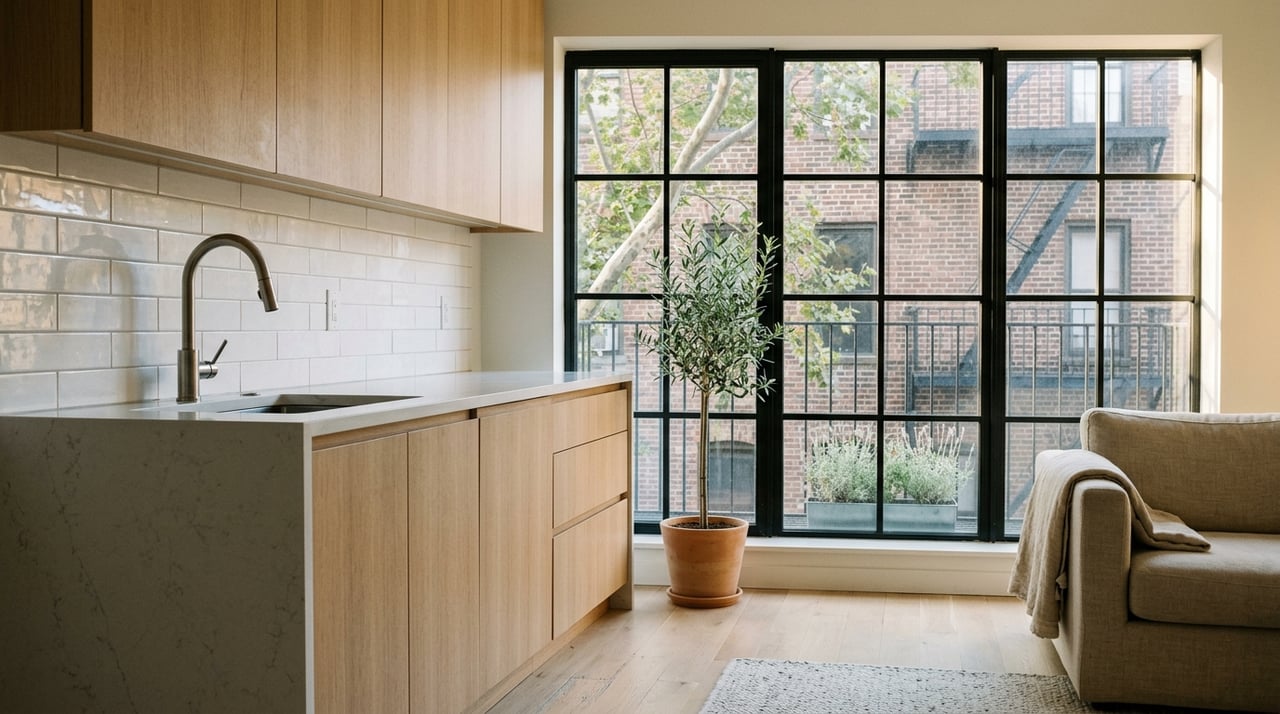
If you picture Manhattan as nonstop noise and motion, the West Village may surprise you. This corner of downtown feels more intimate than many buyers expect, with winding blocks, low-rise buildings, and a daily rhythm that is often calmer than the neighborhoods around it. If you are wondering whether the West Village lives up to its reputation, this guide will help you understand the lifestyle, housing, and tradeoffs so you can decide if it fits your goals. Let’s dive in.
Why the West Village Feels Different
The West Village sits within Manhattan Community Board 2, an area the city describes as shaped by political activism, distinct architecture, an active artistic community, and cultural and ethnic diversity. That larger downtown context matters because the West Village often feels like a residential pocket within a much busier part of Manhattan. You get the energy of downtown nearby, but your immediate blocks can feel more tucked away and neighborhood-oriented.
Part of that comes from the layout. Unlike much of Manhattan’s grid, the West Village has curving streets and irregular blocks, which helps create a sense of separation from large commercial corridors. According to StreetEasy’s West Village neighborhood overview, it is one of downtown Manhattan’s quieter and more sophisticated areas, with mostly residential buildings and relatively few office towers.
Daily Life in the West Village
Living here is usually a walk-first experience. Day-to-day errands, coffee runs, dinners out, and waterfront walks tend to happen close to home, which gives the neighborhood a compact, convenient feel. You are not crossing long avenues to get basic things done as often as you might in other parts of Manhattan.
During the day, the neighborhood often feels calm by downtown standards. At night, that changes somewhat, especially near restaurant and bar clusters, where the streets become livelier. In practical terms, that means the West Village can offer both a residential atmosphere and easy access to nightlife, depending on your exact block.
Transit is also workable for daily life. The area’s compact layout and access to nearby subway stations make it relatively easy to move around the city, including connections through West 4 St-Washington Sq. If you want a neighborhood that feels local but still keeps the rest of Manhattan within reach, that balance is a big part of the appeal.
Historic Character Shapes the Neighborhood
A major reason the West Village looks and feels the way it does is preservation. The Greenwich Village Historic District, designated in 1969, includes more than 2,000 buildings across 65 blocks and remains the largest historic district in New York City, according to the Landmarks Preservation Commission.
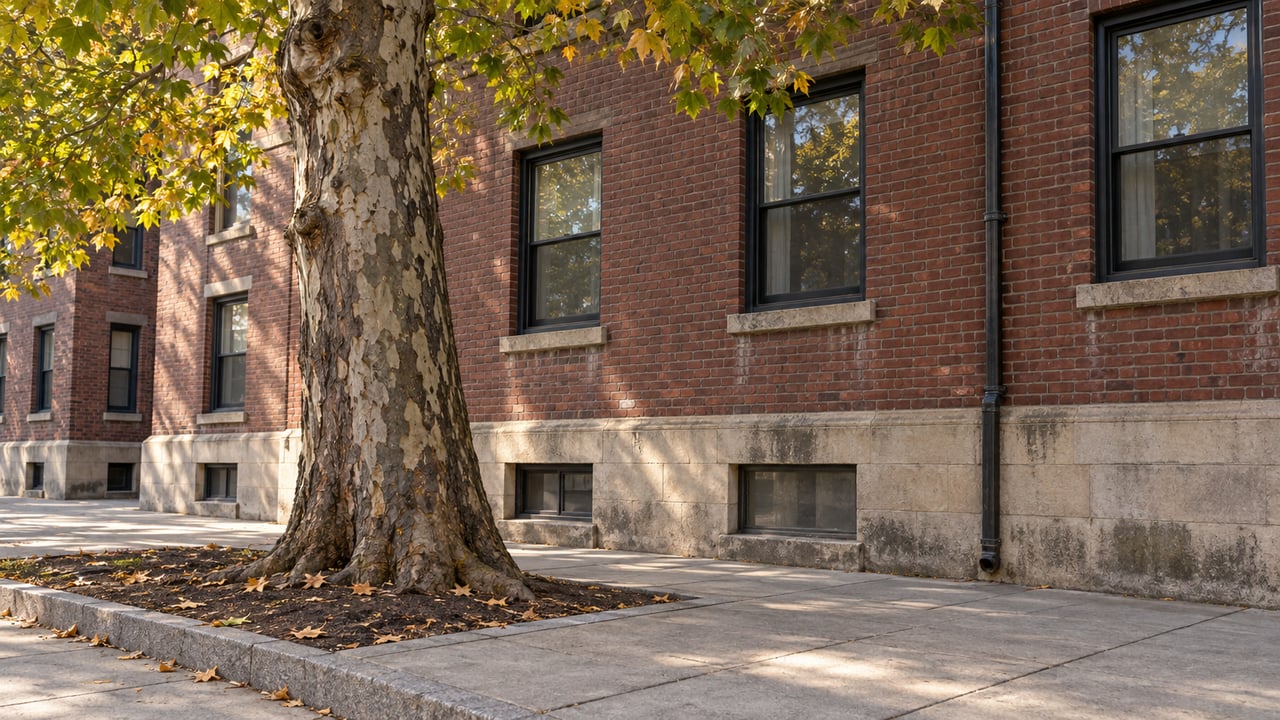
That protection is not just symbolic. City guidance explains that exterior changes, demolition, reconstruction, and new construction affecting landmarks or historic districts must go through review. In everyday terms, that helps preserve the low-rise, townhouse-heavy streetscape that people associate with the West Village.
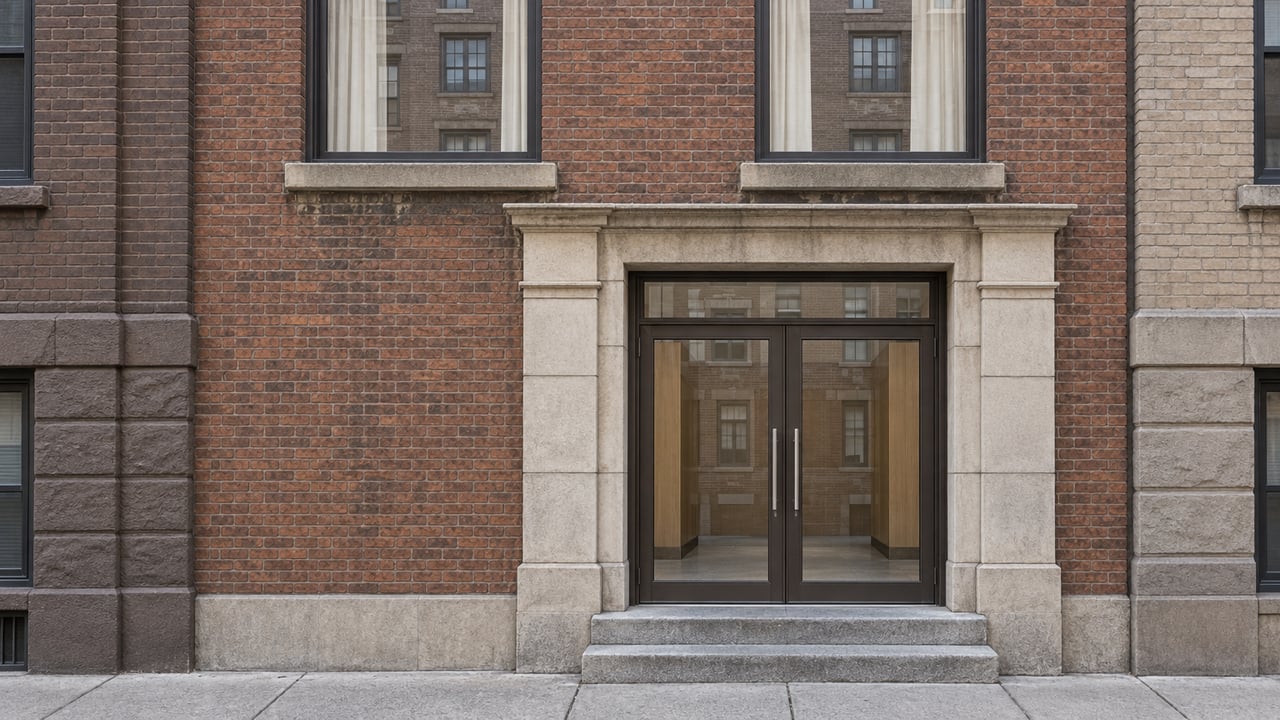
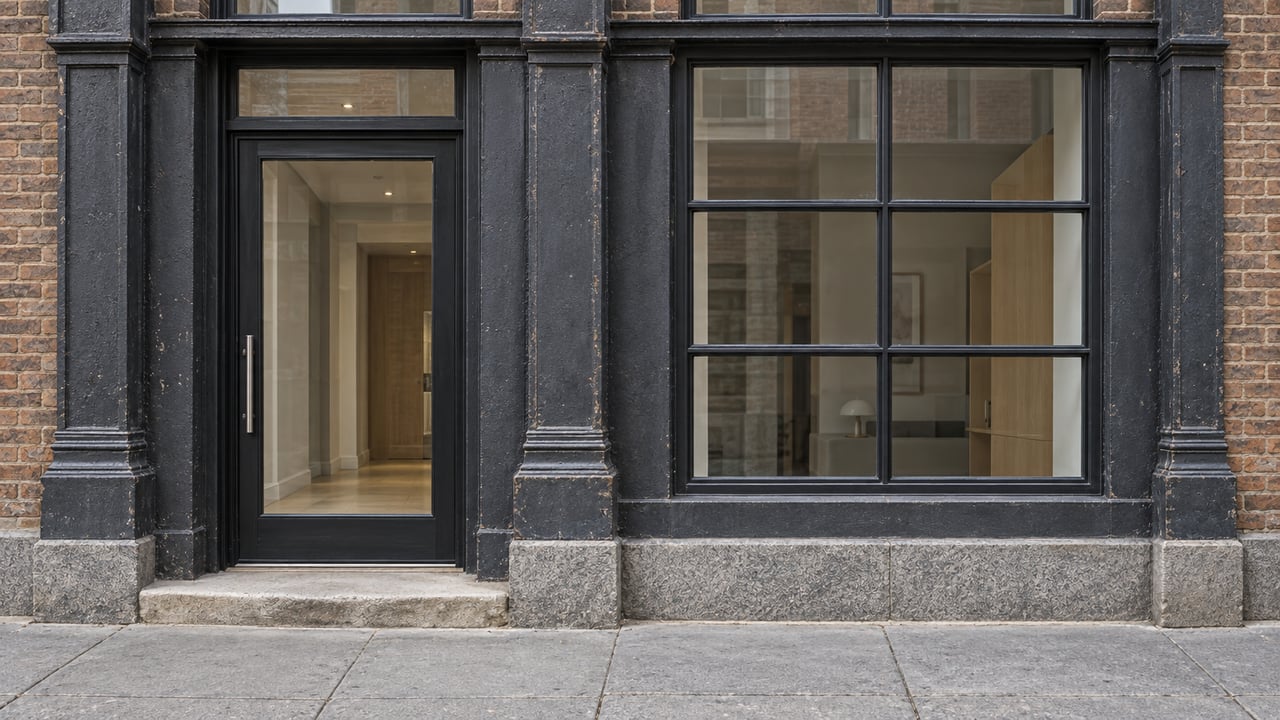
For you as a buyer or renter, this can mean a neighborhood with a strong visual identity and a sense of continuity that is harder to find elsewhere in Manhattan. It can also mean housing stock that is older, more varied, and often more architecturally distinctive than what you find in newer, more uniform neighborhoods.
What the Housing Stock Looks Like
The West Village is not one housing type. It is best understood as a mix of historic townhouses, walk-up buildings, co-ops, condos, and a smaller set of newer buildings along the Hudson River. That range matters because your experience here can vary a lot depending on what kind of property you choose.
According to StreetEasy, the neighborhood is still dominated by historic townhouses and walk-ups, and the charming exteriors do not always mean fully updated interiors. Some homes offer classic prewar details and intimate scale, while others may require more compromise on layout, stairs, storage, or modernization.
There are also newer riverfront condos that offer a different lifestyle. These can feel more contemporary and amenity-driven than the neighborhood’s older building stock. If you are deciding between charm and convenience, the West Village often asks you to weigh those factors more directly than other Manhattan neighborhoods.
A notable example of the area’s adaptive-reuse story is Westbeth Artists Housing, which opened in 1970 and provides affordable living and working space for artists and their families. It also houses cultural organizations, adding another layer to the neighborhood’s identity.
Parks and Waterfront Access
One of the strongest quality-of-life advantages in the West Village is its relationship to the waterfront. The Greenwich Village section of Hudson River Park includes an uninterrupted esplanade, river and harbor views, lawns, shaded seating, public art, a dog run, tennis courts, ballfields, dining options, and access points like Pier 45, Pier 46, and Pier 51.
For many residents, that makes outdoor time part of everyday life rather than a special occasion. You can walk, run, bike, sit by the water, or meet friends outdoors without leaving your neighborhood. Hudson River Park also reports more than 17 million visits each year, which gives a sense of how important this open-space system is to life on Manhattan’s west side.
Just south of the neighborhood, Gansevoort Peninsula adds even more recreational space. Opened in 2023, it includes 5.5 acres with a sandy shoreline beach, boardwalks, a ballfield, adult fitness equipment, and a salt marsh. If proximity to open space matters to you, the West Village offers more real waterfront access than many buyers expect in downtown Manhattan.
Culture Is Built Into the Neighborhood
The West Village is not just attractive. It is layered with cultural significance. One of the clearest examples is Stonewall National Monument, a 7.7-acre site in Greenwich Village that includes Christopher Park and the Stonewall National Monument Visitor Center, which opened on June 28, 2024.
The site is fee-free, wheelchair accessible, and reachable by subway from Christopher Street-Stonewall or West 4 St-Washington Sq. Beyond its historic importance, Christopher Park also serves as one of the only public open spaces serving Greenwich Village west of Sixth Avenue, according to the National Park Service.
This blend of public space, historic significance, and neighborhood-scale access is part of what makes the West Village feel so distinct. You are not just living near restaurants and pretty blocks. You are living in a place with lasting civic and cultural meaning.
What It Costs to Live Here
The West Village is one of Manhattan’s more expensive and competitive neighborhoods. The exact number depends on the source and housing type, but the broader message is consistent: this is a premium market.
StreetEasy currently shows a median sale price of $1.5M and a median base rent of $5,495. Zumper reports an April 2026 median rent of $5,995. PropertyShark’s January 2026 snapshot shows a $1.6M median home sale price and $2,106 per square foot, with subtype medians of $2.6M for condos, $1.2M for co-ops, and $7.3M for houses.
That spread tells you something important. There is no single West Village budget. A buyer shopping for a co-op, boutique condo, townhouse, or riverfront residence is entering very different segments of the market, even within the same neighborhood.
Why Prices Stay High
The West Village’s pricing is easier to understand when you look at supply and lifestyle together. The neighborhood has strong appeal, but it also has a built environment shaped by landmark protections and limited large-scale new development. That tends to keep inventory constrained compared with neighborhoods that can add housing more freely.
At the same time, demand is supported by features that are hard to replicate. You have preserved architecture, a walkable street pattern, strong restaurant and cultural appeal, and direct access to Hudson River Park. When buyers compete for a neighborhood that feels both historic and highly livable, premium pricing is often the result.
Is the West Village Right for You?
The West Village may be a strong fit if you want a downtown neighborhood that feels more residential, visually distinctive, and deeply connected to waterfront open space. It can also work well if you value character over uniformity and prefer a lifestyle built around walking rather than constant crosstown travel.
It may require more thought if you want newer housing stock, predictable layouts, or more value per square foot. In this market, the details matter. Building type, block, light, condition, and ownership structure can all have a major impact on how a property lives and how it performs as an investment.
If you are weighing a move to the West Village, working with a broker who understands Manhattan’s micro-markets can help you compare the neighborhood honestly against your priorities. To talk through West Village condos, co-ops, townhouses, rentals, or investment opportunities, connect with Elena Smirnova.
FAQs
Is the West Village quiet compared with other Manhattan neighborhoods?
- Yes. According to StreetEasy, the West Village is one of downtown Manhattan’s quieter areas during the day, though it becomes livelier at night around restaurants and bars.
What types of homes are most common in the West Village?
- Historic townhouses and walk-ups are the most common, with some newer condos near the Hudson River and unique adaptive-reuse properties such as Westbeth.
Is the West Village close to parks and waterfront space?
- Yes. Hudson River Park runs along the neighborhood’s western edge and offers piers, lawns, seating areas, sports facilities, and waterfront paths, with Gansevoort Peninsula just to the south.
How expensive is the West Village housing market?
- Current sources show it is a premium market, with median sale prices around $1.5M to $1.6M and median rents in the mid-$5,000 range, depending on the source and methodology.
Is the West Village a good fit for buyers who want historic character?
- Yes. The neighborhood’s landmarked setting, low-rise streetscape, and preserved architecture are a major part of its appeal for buyers who value historic character.