Looking for a Manhattan neighborhood that can actually support family life day to day? The Upper West Side often comes up for good reason. If you are weighing space, school logistics, park access, and long-term value, this neighborhood offers a very specific mix that is hard to replicate elsewhere in the city. Here is what to know before you buy or rent on the Upper West Side.
Why families look at the Upper West Side
The Upper West Side has a strong neighborhood feel by Manhattan standards. Furman Center data shows that 21.4% of households had children under 18 in 2024, which helps explain why the area often feels oriented around everyday routines rather than just destination living.
It is also a place where getting around without a car is normal. In 2023, 88.5% of commuters used a car-free commute, according to the Furman Center. For many households, that supports a lifestyle built around walking, transit, school drop-offs, parks, and nearby essentials.
From a location standpoint, the neighborhood sits within Manhattan DOE District 3. The NYC Health neighborhood report for the Upper West Side covers ZIP codes 10023, 10024, 10025, and 10069, which is useful when you start narrowing your home search by block and building.
School planning on the Upper West Side
For many buyers, school planning is one of the biggest reasons to focus on the Upper West Side. But it is important to know that school assignment is address-specific. The NYC Department of Education says most families have a zoned elementary school, but that school may not be the closest one.
That means a neighborhood search and a school-zone search are not always the same thing. If school access matters to your decision, you need to verify the exact zoned school by entering the property address into the DOE Find a School tool before you make assumptions.
Elementary school zoning works by address
On the Upper West Side, even a short move can change your elementary school zoning. That is why buyers often need to evaluate not just the apartment, but also the building’s exact location and how that address fits into their plans.
A few District 3 public schools families may encounter on or near the Upper West Side include P.S. 009 Sarah Anderson, P.S. 199 Jesse Isidor Straus, P.S. 452, and The Riverside School for Makers and Artists. These examples can help you understand the local landscape, but they are not a substitute for address-level verification.
Middle school options are broader
Middle school works differently. According to the DOE, families can list any NYC public middle school on the application, but zoned students and district residents often receive priority in many programs.
For families planning several years ahead, this creates a more layered decision. You may be thinking about your immediate elementary school path while also considering how district-based middle school priorities could affect your long-term strategy.
Parks shape daily family life
One of the Upper West Side’s biggest advantages is how much usable outdoor space surrounds it. Central Park runs from 59th Street to 110th Street along Central Park West and spans 843 acres. That gives many homes near-instant access to playgrounds, open lawns, paths, and recreation.
On the west side of the neighborhood, Riverside Park adds another major lifestyle draw. Riverside Park Conservancy says it works with NYC Parks on 6 miles of parkland from West 59th Street to 181st Street, and its public map highlights active recreation, playgrounds, restrooms, and other everyday family features.
Together, these parks create a rare Manhattan setup. You have major green space on one side and riverfront parkland on the other, which is a big reason many households see the Upper West Side as a place where city living can feel more balanced.
What housing looks like here
The Upper West Side is not a one-note market. You will find a wide range of homes, from studios to 5-bedroom residences, including family-sized 2-bedroom and 3-bedroom units in both co-ops and condos.
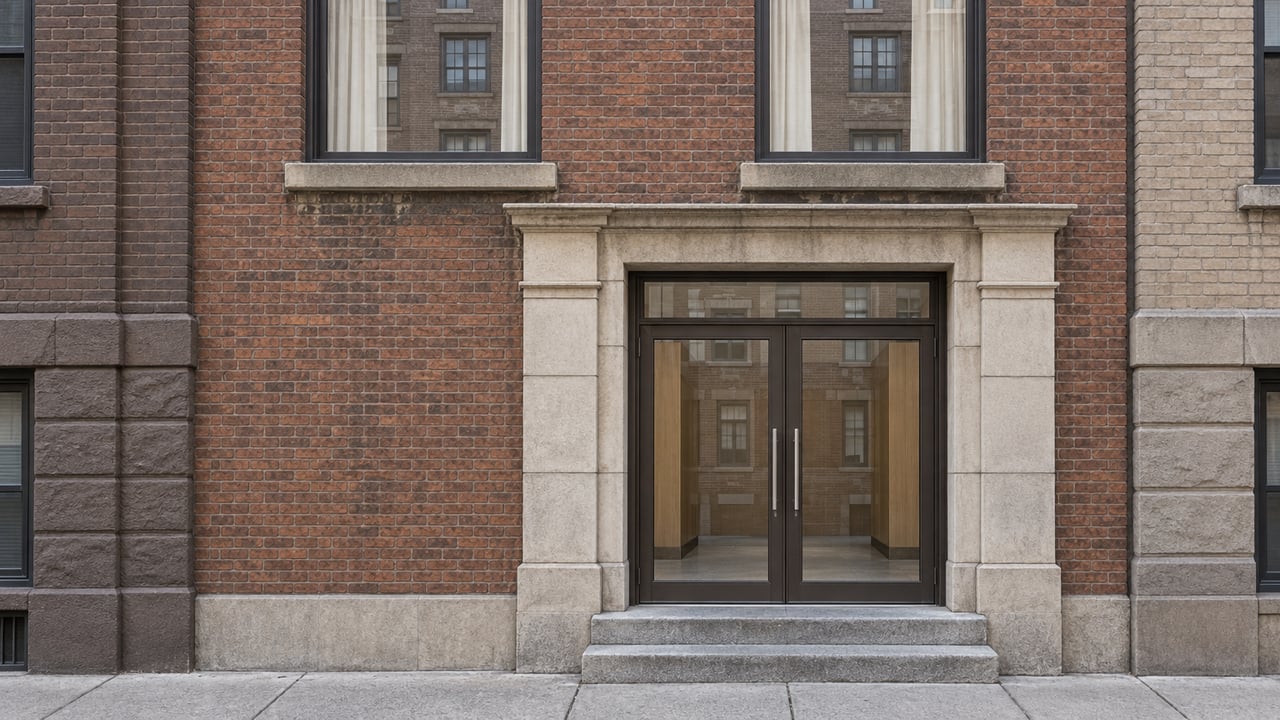
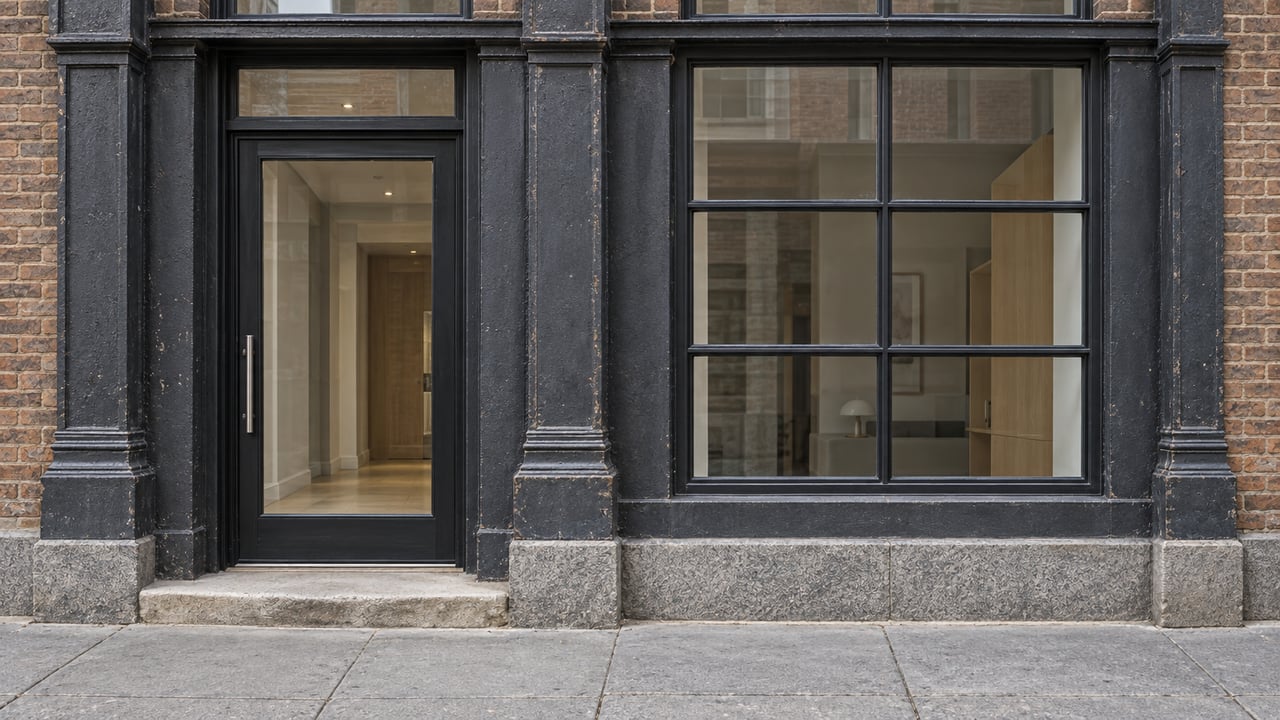
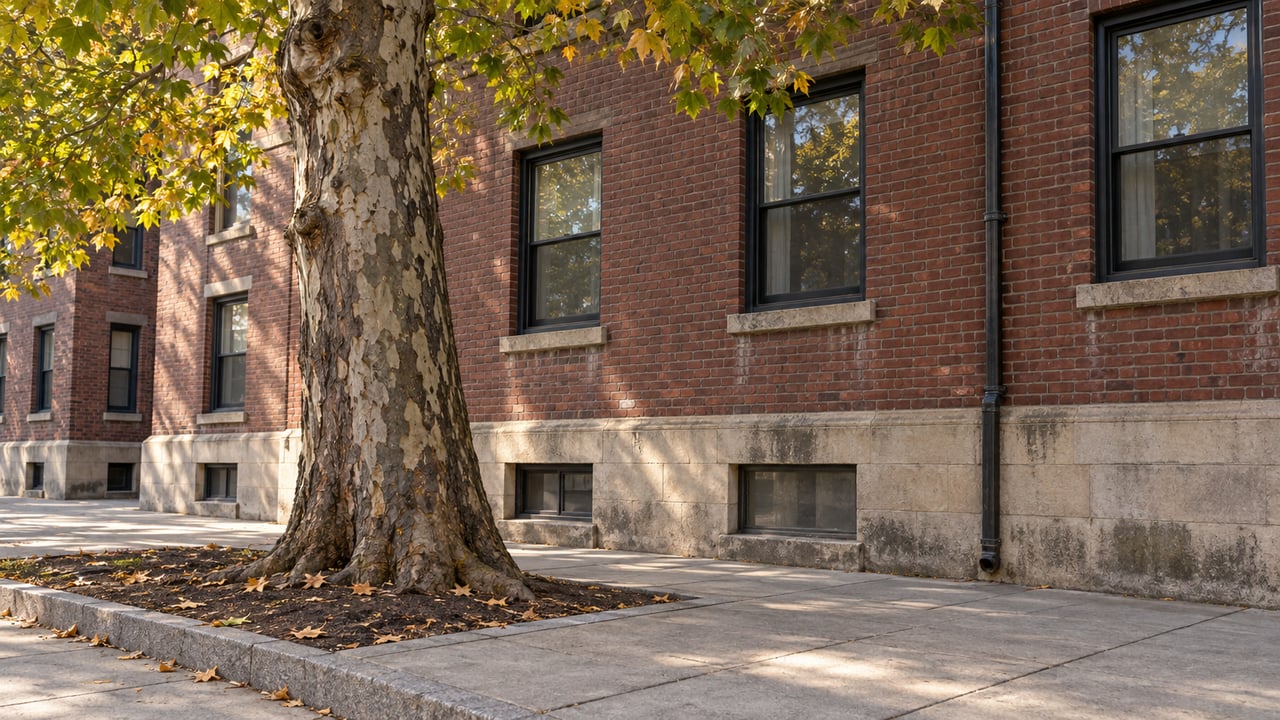
In practical terms, this is a neighborhood defined by classic prewar co-ops, some luxury condo pockets, and broad price variation by block and building type. StreetEasy notes that prices tend to cluster around Central Park and Riverside Drive, while smaller and older co-ops can offer lower entry points. Large prewar apartments, on the other hand, can command premium pricing.
That matters for families because two apartments with the same bedroom count can offer very different value. Layout, building rules, renovation level, storage, and exact location often shape your day-to-day experience as much as square footage.
Co-ops still dominate many family searches
If you are shopping for a family home on the Upper West Side, you will likely spend a lot of time looking at co-ops. PropertyShark’s April 2026 snapshot recorded 91 co-op sales versus 54 condo sales, which suggests the resale market still leans co-op-heavy in transaction volume.
That does not make condos unimportant. It simply means buyers need to be ready for a market where co-ops are a major part of the inventory, especially if they want classic layouts, established buildings, or access to certain blocks.
New supply remains limited
Supply is still constrained. Furman Center reports that the Upper West Side had 0 units authorized by new residential building permits in 2024, although 275 units received new certificates of occupancy that year.
Over the longer term, the neighborhood had 6,131 units in 4+ unit buildings built from 2010 to 2024. For buyers, the takeaway is straightforward: this is not a market where abundant new inventory is likely to ease competition in the near term, especially for well-located family-sized homes.
Upper West Side price ranges
The Upper West Side is expensive, but pricing is not uniform. PropertyShark’s April 2026 data puts the median home sale at $1.9 million, with condos at $2.4 million and co-ops at $1.4 million.
Realtor.com’s March 2026 market page shows a $1.75 million median listing price and a $5,350 median rent. Those numbers help frame the market, but your actual options will vary sharply based on building type, condition, block, and whether you are targeting a smaller co-op or a larger turnkey apartment.
For buyers trying to stretch into the neighborhood, that price spread matters. A family may find an older co-op at a lower entry point than a newer condo, but the tradeoff could involve building policies, renovation needs, or different monthly costs.
How the Upper West Side compares
When families compare Manhattan neighborhoods, the Upper West Side is often measured against the Upper East Side and Tribeca. Based on Realtor.com data, the Upper West Side and Upper East Side currently sit in a similar median listing price band, with the Upper West Side at $1.75 million and the Upper East Side at $1.695 million.
Tribeca is in a different tier, with a $4.5 million median listing price. That makes the Upper West Side less about finding a bargain and more about choosing a neighborhood where housing stock, school planning, park access, and walkability support the way you want to live.
In other words, this is usually a stock-and-lifestyle decision. Buyers are often balancing building type, location, and daily convenience against budget, not simply chasing the most square footage for the lowest price.
What families should weigh before buying
If you are considering the Upper West Side, it helps to focus on a few practical questions early:
- Do you need to prioritize an address tied to a specific elementary school zone?
- Are you open to both co-ops and condos, or only one building type?
- How important is proximity to Central Park versus Riverside Park?
- Would you rather maximize space, or pay more for a turnkey apartment on a prime block?
- Are you comparing buying with renting, given the neighborhood’s median rent level?
Answering those questions can quickly narrow your search. On the Upper West Side, the right fit is often less about the broad neighborhood label and more about matching your priorities to a very specific building and block.
The bottom line on Upper West Side family housing
The Upper West Side remains one of Manhattan’s clearest options for households who want school planning, park access, and walkability to play a central role in daily life. Family-sized apartments do exist, but the most sought-after blocks and building types come with a clear premium, and limited new supply keeps competition real.
That is why a smart search here needs both neighborhood perspective and building-level analysis. If you want to weigh co-ops versus condos, compare pricing by micro-location, or understand which Upper West Side setup best fits your goals, Elena Smirnova can help you navigate the market with a clear, data-driven strategy.
FAQs
How family-friendly is the Upper West Side in Manhattan?
- The Upper West Side has features many families look for, including address-based public school planning, major park access on both sides of the neighborhood, and a largely car-free daily lifestyle. Furman Center data also shows that 21.4% of households had children under 18 in 2024.
How do public school zones work on the Upper West Side?
- The NYC Department of Education says most families have a zoned elementary school, but the zoned school may not be the closest school. You should verify the exact school zone by property address before making a housing decision.
What kinds of homes can families find on the Upper West Side?
- Families can find a range of homes from studios to 5-bedroom residences, including 2-bedroom and 3-bedroom apartments in both co-ops and condos. The neighborhood is especially known for its depth of prewar co-op inventory and its wide price variation by building and block.
Are Upper West Side co-ops more common than condos?
- In the resale market, co-ops appear more common by transaction volume. PropertyShark’s April 2026 snapshot recorded 91 co-op sales and 54 condo sales.
How expensive is the Upper West Side compared with other Manhattan neighborhoods?
- Recent data places the Upper West Side in a similar median listing price range as the Upper East Side, while Tribeca is much more expensive. PropertyShark also shows a higher median sale price for condos than co-ops on the Upper West Side, which reflects the neighborhood’s broad mix of housing types.