What explains why two apartments just a few blocks apart can trade at very different prices? In Gramercy and Flatiron, the answer is rarely just the neighborhood name. If you are buying, selling, or simply tracking the market, understanding how pricing really works can help you read listings more clearly and make smarter decisions. Let’s dive in.
Gramercy and Flatiron Market Snapshot
As of May and June 2026, Flatiron is the higher-priced market on a headline basis. The median listing price in Flatiron is $2.295 million, compared with $1.2575 million in Gramercy. Median sale prices also show Flatiron ahead at $1.612 million versus $1.275 million in Gramercy.
The pace of the market also differs. Median days on market are 65 in Flatiron and 44 in Gramercy. Flatiron homes sold roughly at asking on average in June 2026, while Gramercy homes sold about 3.18% below asking on average.
That said, the story changes when you look at price per square foot. In May 2026, Gramercy posted a median sold price per square foot of $1,592, slightly above Flatiron’s $1,526. This is a useful reminder that headline pricing does not tell the whole story.
Why Price Per Square Foot Can Mislead
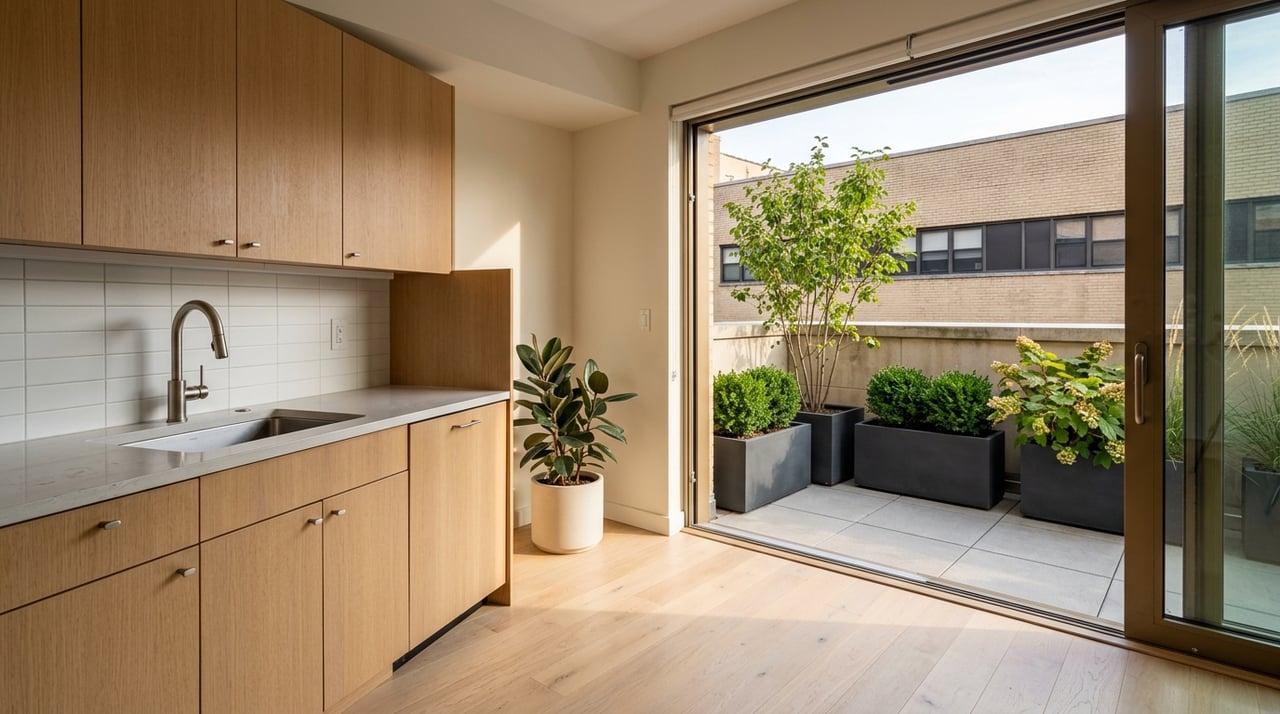
If you compare only price per square foot, you can miss the factors that buyers actually pay for. A smaller, better-positioned apartment with open views, a quieter exposure, or rare outdoor space may command more than a larger unit in a busier or less distinctive setting.
That is especially true in Gramercy and Flatiron, where product varies block by block and building by building. In this part of Manhattan, value often comes from scarcity. Buyers are usually paying a premium for something hard to replicate, not just for an address label.
Building Type Drives Big Pricing Gaps
One of the clearest pricing divides in these neighborhoods is building type. In May 2026, Flatiron’s median condo sale price was $2.2 million, compared with $1.8 million in Gramercy. For co-ops, the median was $919,000 in Flatiron versus $645,000 in Gramercy.
Those numbers show an important point. The biggest pricing gap is often not Gramercy versus Flatiron, but condo versus co-op, new development versus prewar, and high-floor versus lower-rise inventory.
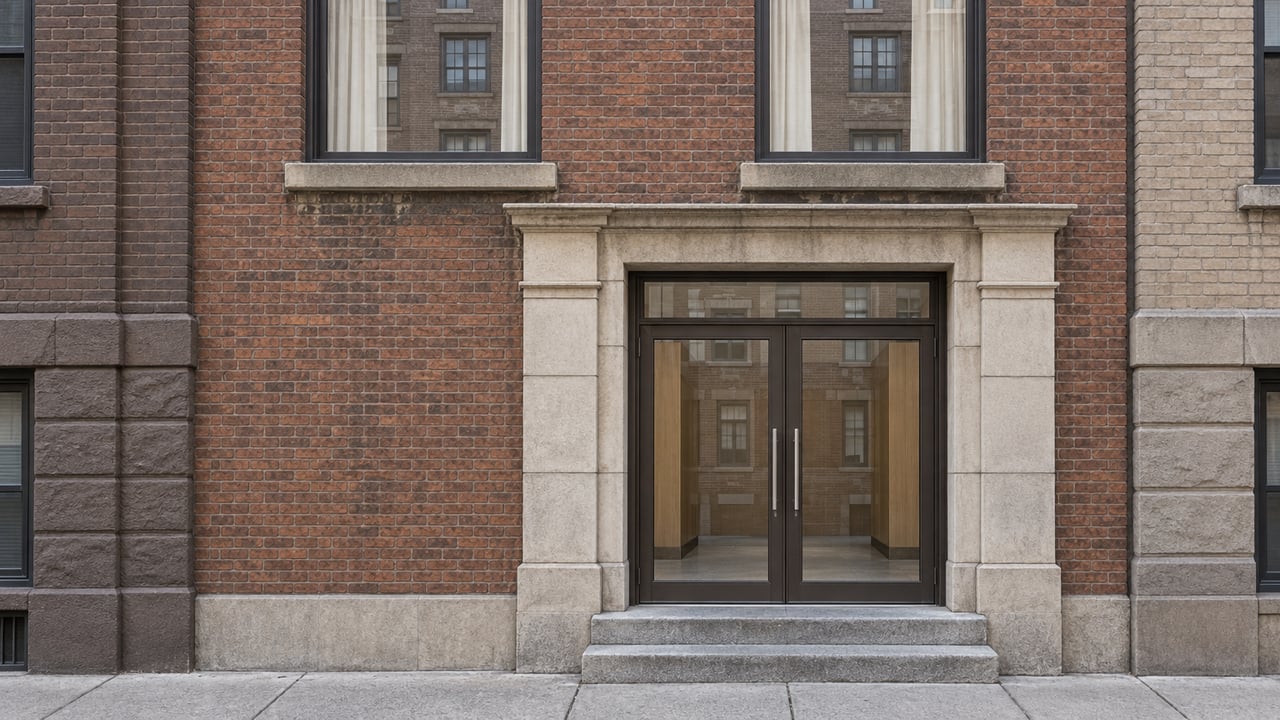
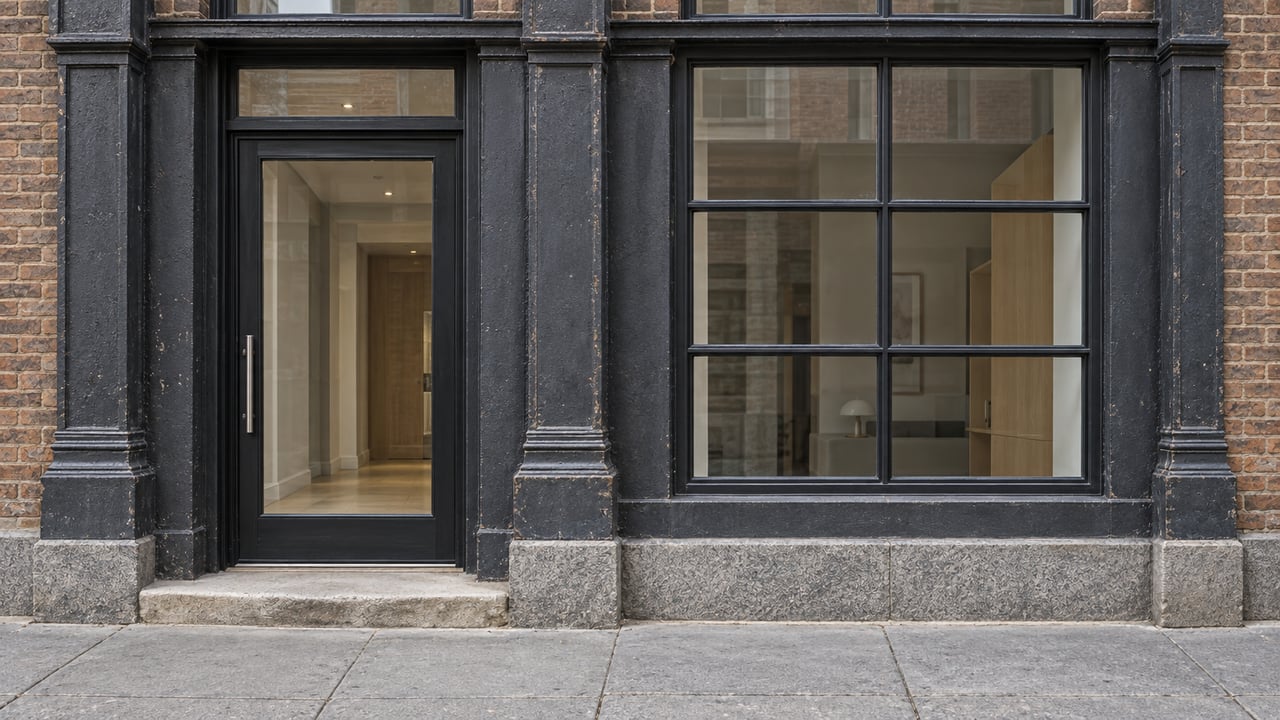
Flatiron is a small neighborhood that historically had more commercial than residential space. Over time, luxury new development and loft conversions have added distinct housing stock. Many buildings are still relatively low-rise, which makes higher-floor inventory with open views harder to find.
Gramercy has a different mix. Around the park, you see more townhouse and co-op stock. Farther east, the housing mix shifts toward walk-ups and rentals that are typically less expensive relative to the rest of the neighborhood.
Scarcity Shapes Value More Than Labels
A simple rule works well here: the premium is usually paid for scarcity. In Gramercy and Flatiron, scarcity tends to come from park frontage, private or usable outdoor space, higher floors with open views, and buildings that feel more residential than corridor-facing.
This helps explain why Gramercy can sometimes show a higher price per square foot even though Flatiron has the higher headline prices. A particularly scarce Gramercy apartment, such as a park-adjacent home with quiet exposure or distinctive views, can outperform broader neighborhood averages.
For sellers, this means your apartment should be positioned based on its true competitive set, not just the nearest zip code search. For buyers, it means two listings with similar square footage may have very different value depending on what cannot easily be duplicated.
Gramercy Premiums: Park Frontage and Quiet Blocks
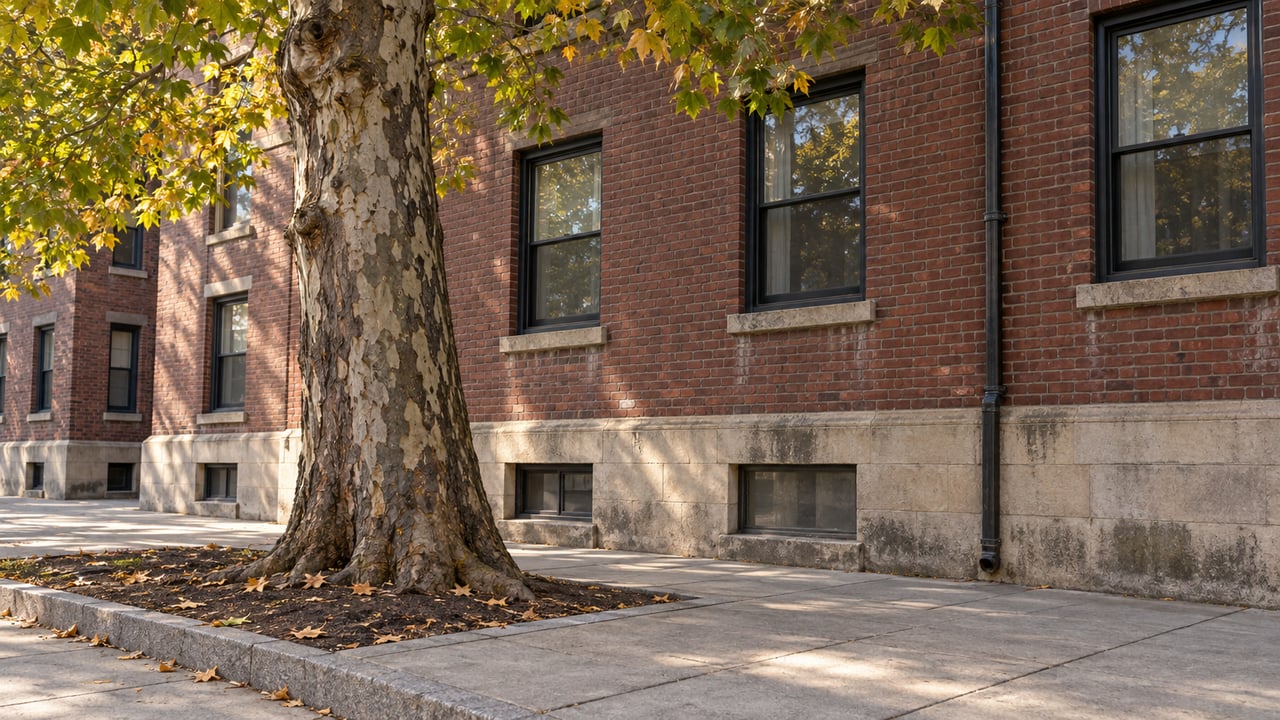
Gramercy’s strongest premium centers on the blocks around Gramercy Park. The historic district wraps the square around East 20th and 21st Streets, Park Avenue South, Lexington Avenue, and Irving Place. That setting supports a clear pricing premium for park-facing and park-adjacent homes compared with similar homes farther east.
Part of that premium comes from rarity. Gramercy Park is one of only two private parks in New York City, with key access limited to residents who pay an annual fee. Combined with the area’s established historic fabric, this creates a very specific kind of Manhattan scarcity.
For buyers, that means not all Gramercy addresses trade on equal terms. A home near the park with a calm residential feel may compete in a very different pricing tier than an apartment with the same size farther from the square.
Flatiron Premiums: Centrality, Transit, and Views
Flatiron’s value story is different. Here, pricing is tied more closely to centrality, transit access, and the appeal of newer or loft-style product. The neighborhood functions as a busy crossroads, with access around 23rd Street to the 4, 6, 6 Express, N, and R trains, plus nearby Union Square connections.
That convenience matters, but so does the tradeoff between access and residential feel. Apartments facing busy corridors may offer immediate transit convenience, while quieter side streets and higher floors often read as stronger residential product.
Because Flatiron has limited high-floor inventory in many parts of the neighborhood, open skyline views can become especially valuable. A high-floor condo with strong light and a protected-feeling exposure may justify a much different price than a similar apartment on a lower floor facing a busier avenue.
Historic Districts Support Long-Term Scarcity
Historic-district status is another layer in the pricing story. The Gramercy Park Historic District was designated in 1966, and Madison Square North in the Flatiron area was designated in 2001. In designated areas, advance approval is required for alterations, reconstruction, demolition, or new construction affecting landmarked buildings.
For buyers and sellers, that matters because these rules can help preserve the character and scarcity that support value. They do not freeze a neighborhood in time, but they can limit how easily the built environment changes. In practical terms, that can make certain blocks feel more stable and distinctive over time.
Features Buyers Pay More For
Beyond location and building type, certain apartment features carry measurable premiums in New York City co-op and condo sales. In StreetEasy’s analysis of more than 55,000 sales, in-unit laundry carried a 14.1% premium in sales below $2.5 million. A doorman carried a 10.9% premium, a shared patio or terrace 7.5%, and a shared roof deck 6.2%.
For units above $2.5 million, private patio or terrace space carried a 10.7% premium. In Gramercy and Flatiron, where private outdoor space is relatively scarce, that can become a major pricing lever.
These premiums are especially relevant when finishes are otherwise comparable. Once two apartments are both renovated and well located, the deciding factor is often a feature that changes daily living, like laundry, service level, or outdoor space.
Floor, Exposure, and View Corridors Matter
Local appraisal guidance also treats floor height, exposure, and view corridors as real valuation inputs. These are not just lifestyle perks. They can directly affect what buyers are willing to pay.
That is why a lower-floor unit on a louder avenue may not compare cleanly with a higher-floor apartment on a side street, even if the layouts are similar. The same goes for a park-facing Gramercy home versus one with a more ordinary outlook.
There is also an important nuance here. View corridors can change with new construction, so not every view should be valued the same way. Buyers should think about whether a view feels durable, while sellers should be careful not to overprice based on a view that may not read as permanent to the market.
How to Compare Similar Listings More Accurately
If you are choosing between a Gramercy listing and a Flatiron listing, start with the full product, not just the asking price. The best comparison includes exact block, floor, exposure, view permanence, building type, service level, and whether the apartment sits on a park-facing or corridor-facing part of the market.
A helpful checklist includes:
- Exact location and block character
- Condo or co-op structure
- New development, loft conversion, or prewar building type
- Floor height and natural light
- Exposure to busy avenues or quieter side streets
- View quality and likely permanence
- Private or shared outdoor space
- Service level, such as doorman or roof deck
When you use that framework, pricing becomes easier to understand. Flatiron may be the pricier market overall, but Gramercy can still outperform on a price-per-square-foot basis when a unit offers a more scarce combination of traits.
What This Means if You’re Selling
If you are selling in Gramercy or Flatiron, accurate pricing starts with identifying your real competition. A seller with a park-adjacent co-op in Gramercy should not benchmark only against generic neighborhood averages. A seller with a high-floor Flatiron condo should not be grouped with lower-floor inventory that lacks the same light, views, or residential feel.
The goal is to position the apartment according to the features that actually drive demand. In these neighborhoods, buyers can be very responsive to scarcity, but they are also quick to discount listings that stretch beyond what the product supports.
What This Means if You’re Buying
If you are buying, the key is to look past the headline numbers. A lower asking price does not always mean better value, and a higher price per square foot is not always overpriced. In a market like this, context matters.
The better question is whether the apartment offers a rare mix of qualities that will remain desirable over time. When you evaluate a home through that lens, you are more likely to separate true value from surface-level pricing noise.
If you want help reading the pricing dynamics in Gramercy or Flatiron with a sharper eye, working with a broker who understands Manhattan micro-markets can make the process much more precise. To talk through your options, connect with Elena Smirnova.
FAQs
What is the current price difference between Gramercy and Flatiron apartments?
- As of May and June 2026, Flatiron has the higher headline pricing, with a median listing price of $2.295 million and median sale price of $1.612 million, compared with Gramercy’s $1.2575 million median listing price and $1.275 million median sale price.
Why can Gramercy have a higher price per square foot than Flatiron?
- Gramercy’s median sold price per square foot was $1,592 in May 2026 versus $1,526 in Flatiron, which suggests that scarce product such as park-adjacent homes, quieter exposures, and distinctive residential settings can command strong premiums.
How do condo and co-op prices differ in Gramercy and Flatiron?
- In May 2026, median condo sale prices were $2.2 million in Flatiron and $1.8 million in Gramercy, while median co-op sale prices were $919,000 in Flatiron and $645,000 in Gramercy.
What apartment features add value in Gramercy and Flatiron?
- Features with measurable premiums in NYC sales include in-unit laundry, doorman service, shared patio or terrace space, shared roof decks, and private outdoor space, with outdoor space standing out because it is relatively scarce in both neighborhoods.
How should you compare two similar Gramercy or Flatiron listings?
- You should compare exact block, building type, floor, exposure, view permanence, outdoor space, service level, and whether the apartment is park-facing or corridor-facing, rather than relying only on asking price or price per square foot.