Wondering what it actually feels like to live in SoHo, not just visit it for an afternoon? That is a fair question, because SoHo is one of those Manhattan neighborhoods where daily life, work, shopping, and culture all share the same streets. If you are trying to picture your routine here, this guide will walk you through what a day at street level can look like and what that says about the neighborhood’s real lifestyle. Let’s dive in.
SoHo feels active from the start
SoHo is part of Manhattan Community District 2, and city planning documents often discuss it alongside NoHo because the areas share a long mixed-use history. That mixed-use character still defines the neighborhood today. You are not stepping into a quiet pocket cut off from the city. You are stepping into a place where residents, office workers, shoppers, and visitors all move through the same blocks.
That layered energy is a big reason SoHo feels so distinct. City planning materials describe the area as centrally located and highly accessible by transit, which helps explain why daily life here can stay compact and walkable. In simple terms, you can do a lot without leaving the neighborhood.
Morning in SoHo
A SoHo morning often starts with coffee and a short walk. Prince Street and West Broadway are natural starting points, with local options like Prince Street Cafe and Harbs adding to the neighborhood’s daytime rhythm. Even if your plans are simple, the streets rarely feel sleepy.
That is partly because Broadway is more than a shopping strip. The SoHo Broadway district says the corridor from Houston to Canal includes about 1.5 million square feet of retail, 3 million square feet of office space, more than 21,000 workers, and daily subway ridership of about 111,183 people. If you live nearby, your morning coffee run happens against the backdrop of a major Manhattan work and retail district.
Errands feel built into the day
In many neighborhoods, errands require a subway ride or a dedicated block of time. In SoHo, they are more naturally folded into your routine. Because the area is dense, walkable, and active early, you can often stack small tasks into one outing.
That convenience is part of the appeal. A quick stop for coffee can turn into a dry cleaning pickup, a browse through a storefront, or a short walk before work. The neighborhood supports that kind of flexible day.
Midday means art and retail
By midday, SoHo’s cultural layer becomes especially visible. The neighborhood is not just known for retail traffic. It also maintains a real arts presence through institutions like The Drawing Center at 35 Wooster, Leslie-Lohman Museum of Art at 26 Wooster, and Dia’s New York Earth Room at 141 Wooster.
For a resident, that matters because culture is not set apart from daily life here. It sits within the same walking pattern as lunch, errands, or meetings. The SoHo Arts Network also helps coordinate collaborative programming, including the annual Downtown Culture Walk, which reinforces the neighborhood’s ongoing creative identity.
Shopping is part of the street life
Broadway is the clearest example of SoHo’s retail scale. The SoHo Broadway district describes it as a mixed-use community where national and international retailers operate alongside TAMI, fashion, and residential uses. That blend helps explain why the neighborhood feels busy and visually active throughout the day.
The district also notes retailers such as Prada, Nike, Uniqlo, Zara, Sephora, and MUJI along the corridor. It says 57% of businesses on SoHo’s Broadway are in TAMI and fashion, which gives the area a strong workday pulse. For you as a resident, that means street life is rarely static.
Storefronts can shift over time
If you spend enough time in SoHo, you may notice that some storefronts feel transitional. That is not your imagination. NYC Planning cited a 2019 storefront vacancy study showing that SoHo and NoHo averaged about 14% vacancy in 2017 and 2018, with Broadway and Canal Street closer to 25%.
This context is useful because it explains why the neighborhood can feel both established and in motion. The architecture remains consistent, but the retail mix can evolve. That mix of permanence and change is part of SoHo’s personality.
Architecture shapes the experience
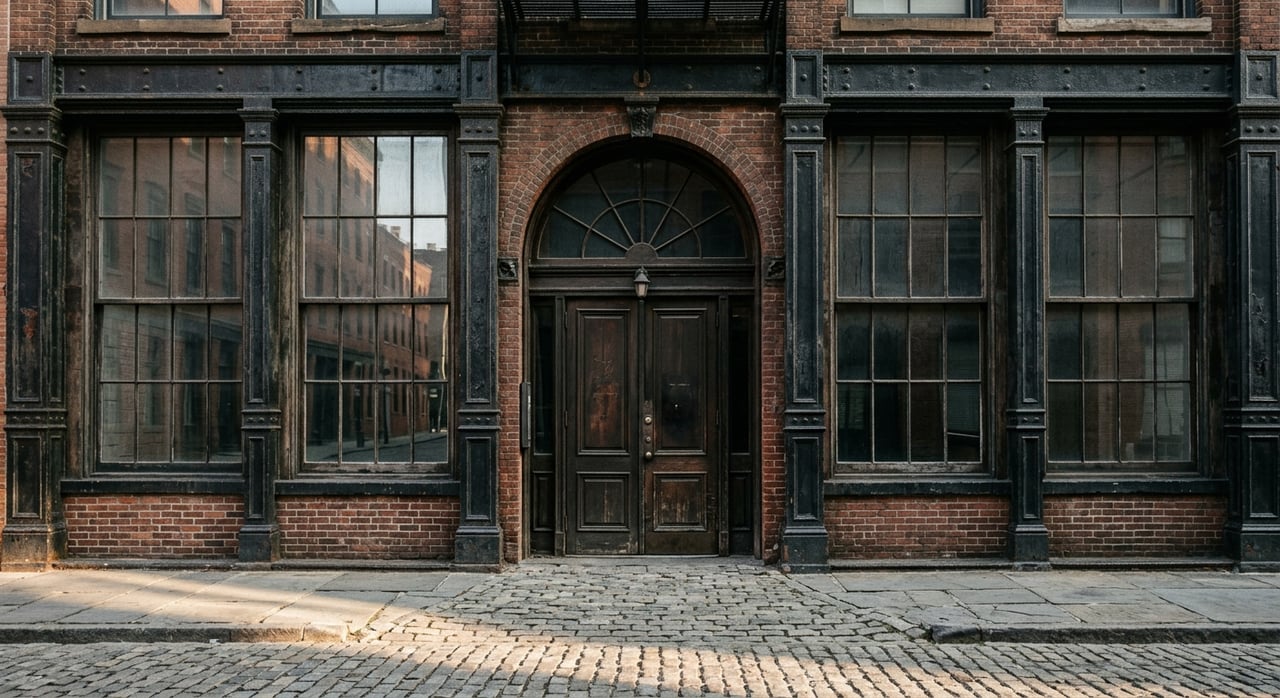
One of the strongest parts of living in SoHo is that the neighborhood looks and feels unlike most of Manhattan. The SoHo Broadway district says the area was designated a historic district in 1973 because of its concentration of cast-iron facades. It also notes that the district contains about 500 buildings.
That architectural backdrop changes the way everyday life feels. A simple walk for coffee, groceries, or dinner passes through a visually distinctive streetscape that gives the neighborhood its identity. Even when stores change, the cast-iron buildings keep the experience grounded.
Landmarks add texture
The district points to places like the Haughwout Building, the Gateway to SoHo public art wall, the Scholastic Building, and the Little Singer Building as examples of how architecture, art, and commerce coexist. You do not need to plan a formal tour to appreciate these details. They are built into the blocks you use every day.
That is one reason SoHo often feels like an architectural and cultural district first, and a housing district second. The public realm is doing a lot of the work. The streets are not just functional. They are part of the lifestyle.
Evening stays close to home
By evening, SoHo still offers enough variety that you can keep your plans local. Sant Ambroeus SoHo offers outdoor dining, Soho Diner serves classic American food on West Broadway, and Soho Grand highlights live jazz along with dining and drinks across its venues. For many residents, dinner and a late drink can happen within just a few blocks.
That creates a practical kind of luxury. You are not always planning a big night out across town. Sometimes the appeal is simply having options nearby that feel polished, social, and easy to reach on foot.
The neighborhood stays mixed-use at night
Because SoHo combines residential, office, cultural, and retail uses, the neighborhood does not turn into a single-purpose district after business hours. It shifts, but it does not empty out. The streets often remain active with diners, hotel guests, residents, and people heading home from nearby offices.
If you value energy and convenience, that can be a real plus. If you want a quiet, secluded residential feel, SoHo may read differently. It is better understood as a highly visible Manhattan neighborhood where lifestyle happens in public view.
What living here says about housing
A street-level guide is not complete without talking about the housing context behind it. SoHo’s housing supply is unusually constrained, and city planning analysis describes the area as having limited historical affordable stock, primarily Loft Law units along with some rent-regulated and stabilized units. The same analysis says the area has higher household incomes and more owner-occupied housing than Manhattan or New York City overall.
That helps explain why buying in SoHo often feels competitive and highly specific. The neighborhood is loft-heavy, supply-constrained, and largely market-rate. It is not a place defined by abundant housing inventory.
Loft living still shapes the market
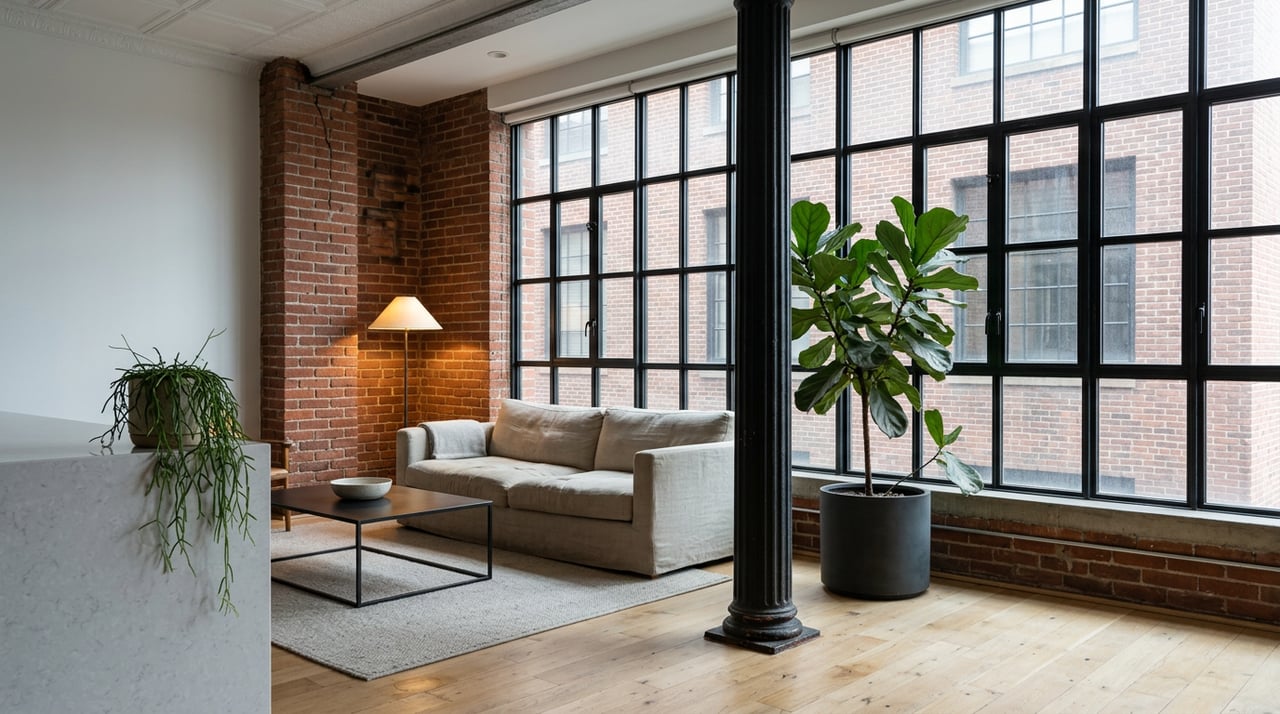
Current housing types you may encounter include JLWQA lofts, Loft Law or IMD apartments, and converted or newly built market-rate residential units approved through special permits or variances. The current Special SoHo-NoHo Mixed Use District continues to preserve mixed-use character while allowing a formal path for certain existing JLWQA units to convert to residences through the SoHo-NoHo Arts Fund.
The 2021 adopted plan also created the first Mandatory Inclusionary Housing area in Manhattan Community District 2, allowing future eligible residential projects to introduce permanently affordable housing. Even with those changes, loft character remains central to how SoHo is experienced and understood.
Who SoHo tends to suit
SoHo tends to work best for people who want daily life to feel connected to design, culture, retail, and movement. If you like the idea of starting your day with coffee on a busy corner, walking past historic facades, stopping into galleries, and ending the evening close to home, the neighborhood offers a strong version of that routine.
It is especially compelling if you see value in mixed-use living rather than separation. SoHo does not hide its commercial side. Instead, it blends residential life into one of Manhattan’s best-known street environments.
The bottom line on a day in SoHo
A day living in SoHo is less about retreat and more about access. You are living in a neighborhood where architecture, art, shopping, and dining are part of your everyday path, not separate destinations. That is what gives SoHo its staying power.
If you are considering a move here, the key is understanding that the lifestyle is shaped as much by the streets as by the apartment itself. For buyers, sellers, and relocators, that kind of neighborhood context matters just as much as square footage or finishes. If you want help understanding how SoHo fits into your Manhattan search or sale strategy, connect with Elena Smirnova.
FAQs
What is daily life like in SoHo, Manhattan?
- Daily life in SoHo is walkable, mixed-use, and active, with coffee spots, galleries, shopping, offices, and dining all sharing the same streets.
What makes SoHo feel different from other Manhattan neighborhoods?
- SoHo stands out for its cast-iron historic district, strong retail presence, arts institutions, and a street-level lifestyle where culture and commerce are part of everyday routines.
What kinds of homes are common in SoHo, Manhattan?
- Common housing types in SoHo include JLWQA lofts, Loft Law or IMD apartments, and converted or newer market-rate residential units.
Is SoHo mainly residential or commercial?
- SoHo is best understood as a mixed-use neighborhood where residential life exists alongside major retail, office, and cultural activity.
Why does SoHo feel so busy during the day?
- Broadway alone includes major retail and office space, more than 21,000 workers, and high daily subway ridership, which contributes to heavy daytime foot traffic.
Is SoHo a good fit if you want a quiet neighborhood?
- SoHo may be less suited to someone seeking a secluded residential setting, because its appeal is tied to an active public street life and mixed-use environment.