If you look at two Chelsea homes with similar square footage, you might expect them to trade in a similar way. In practice, that is rarely how this neighborhood works. Chelsea is a segmented market, and buyers respond very differently to townhouses, lofts, and more conventional condos. If you are buying, selling, or simply planning ahead, understanding those differences can help you price better, prepare smarter, and set realistic timing expectations. Let’s dive in.
Chelsea Is Not One Comp Set
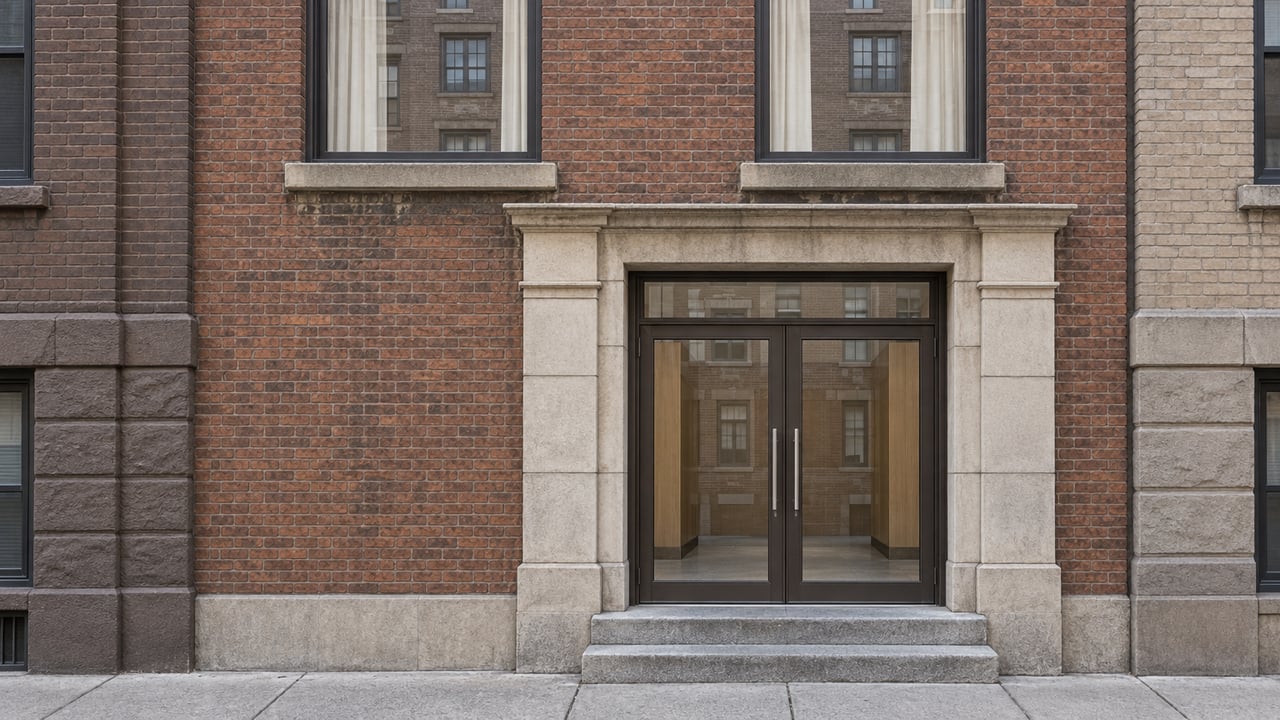
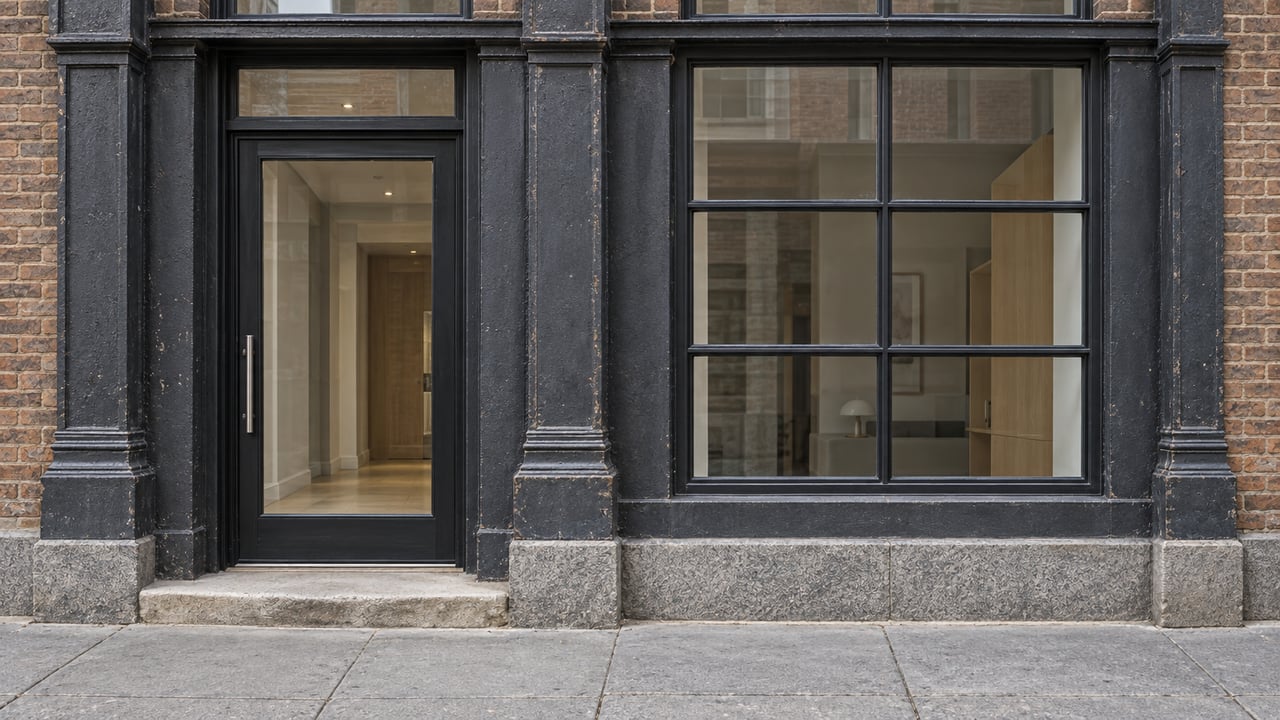
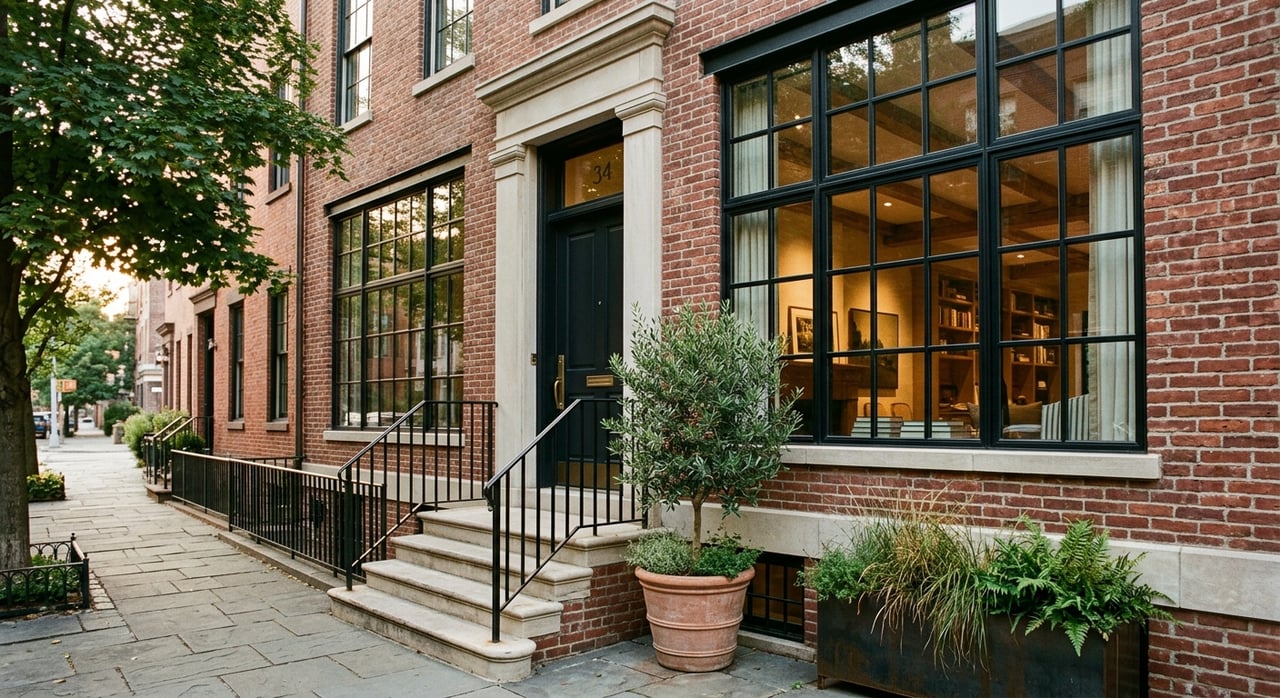
Chelsea has multiple resale ecosystems, not one unified market. The neighborhood includes landmarked townhouse blocks, former industrial loft buildings, and newer full-service condo inventory, especially near the High Line.
That matters because each property type attracts a different buyer mindset. A townhouse buyer may focus on width, privacy, and outdoor space. A loft buyer often reacts to volume, light, and character. A condo buyer is more likely to compare amenities, carrying costs, and recent in-building sales.
Even headline market numbers point to that fragmentation. Recent neighborhood data vary meaningfully by source, with median sale or listing prices and days on market showing different ranges depending on the dataset and time window. The practical takeaway is simple: in Chelsea, the right comparison set matters more than broad neighborhood averages.
Why Chelsea Townhouses Trade Differently
Townhouses in Chelsea are a scarcity asset. Buyers are usually not valuing them like a standard apartment with a simple price-per-square-foot formula.
Instead, they are buying a package of traits that can be hard to replicate. That often includes lot width, floor layout, privacy, usable outdoor space, ceiling height, architectural character, and renovation quality.
Recent Chelsea examples show how much those details matter. One home in the Chelsea Historic District was marketed as a 25-foot-wide single-family townhouse with more than 7,000 square feet, three outdoor spaces, ceiling heights above 11 feet, and a years-long designer renovation. Another listing emphasized an unusual 44-foot width and nearly 2,400 square feet of outdoor space.
Those are not small differences. A wider townhouse with a clean floor stack and strong renovation can trade very differently from a narrower property with the same nominal square footage.
Townhouse Pricing Requires Tight Comparables
For sellers, this means broad townhouse averages only go so far. In the first half of 2025, Manhattan townhouse sales increased year over year, but average sale price and average price per square foot both declined overall, which points to a value-selective market rather than a uniformly rising one.
Chelsea stood out within that mixed environment, with average sale prices boosted by a small number of high-value deals. That is another reminder that one standout closing can distort the story if you are not looking carefully at the underlying property traits.
When pricing a Chelsea townhouse, the comp set should be narrow. Useful adjustments often include:
- Width and lot depth
- Single-family versus multi-unit use
- Outdoor space
- Renovation quality
- Ceiling height and architectural detail
- Landmark status and approval complexity
Landmark Status Affects Prep and Timing
Many Chelsea townhouse owners also face a second layer of complexity: historic district rules. The Chelsea Historic District dates to 1970, and West Chelsea was designated as a historic district in 2008.
If your building is landmarked or sits within a historic district, exterior work may require review by the Landmarks Preservation Commission. New York City notes that work on a landmarked building or a building in a historic district can require LPC permits, including some work that may also need Department of Buildings permits.
That can change the pre-sale calendar in a meaningful way. If you are considering façade work, windows, rooftop changes, or other major exterior updates, design decisions and permit review may affect when the property is ready to market.
Why Chelsea Lofts Trade Differently
Chelsea lofts are tied to the neighborhood’s industrial history, especially in West Chelsea. That background helps explain why lofts often trade on emotional response as much as on technical metrics.
Loft buyers usually care deeply about how a space feels. Ceiling height, window scale, open volume, and layout flexibility often influence value just as much as gross square footage.
A recent Chelsea Mercantile sale highlighted 12.7-foot ceilings, tall east-facing windows, and exceptional volume. In the same building, buyers can also weigh full-service features like doorman service, a gym, roof deck, parking, and storage.
That mix creates a very specific pricing puzzle. Two lofts with similar square footage can trade differently if one has better light, a stronger window line, or a layout that makes the open plan feel more usable.
Loft Buyers Underwrite Volume and Light
In many loft sales, the buyer is not just purchasing rooms. They are responding to a sense of scale and possibility.
That is why over-partitioned layouts can work against value. If a loft loses the open feeling that makes the product desirable in the first place, buyers may become more cautious, even when the total square footage looks competitive on paper.
For sellers, that means pricing and presentation need to reflect the loft story. A great comp is not merely another large apartment nearby. It is a loft with comparable ceiling height, light quality, and usable openness.
Loft Staging Should Protect the Open Feel
Staging matters in every property type, but it can be especially important in a loft. Buyers tend to notice visual clutter quickly because it interrupts the room’s scale.
A smart loft presentation usually does three things:
- Reduces clutter so volume reads clearly
- Defines living zones without closing off the plan
- Uses furniture scaled to the ceiling height and window line
The goal is to help buyers feel flexibility, not confusion. In a loft, that emotional read can strongly affect perceived value.
How Chelsea Condos Usually Trade
Traditional condos in Chelsea tend to trade more like a standardized market than townhouses or lofts do. Buyers can often compare recent sales within the same building or against a nearby peer building with similar fees, services, and amenity packages.
That makes condo pricing more comp-driven and less dependent on one highly specific architectural story. Floor height, views, building reputation, monthly charges, storage, and services usually carry real weight.
Still, Chelsea adds its own neighborhood premium. StreetEasy describes the area as having substantial new development and ultra-luxury condo growth along the High Line, which supports a more design-conscious and amenity-aware buyer pool.
Chelsea Condos Still Need Precision
The broader Manhattan condo market provides useful context. In Corcoran’s first-quarter 2026 Manhattan report, median price was about $1.28 million, price per square foot was $1,972, and average days on market reached 110.
That report also emphasized a point Chelsea sellers should take seriously: correctly priced, move-in-ready homes are the ones that tend to sell faster. Even in a neighborhood with strong demand, pricing discipline still matters.
Chelsea condos are not automatically quick sales. Depending on source and time frame, neighborhood days-on-market figures vary considerably, which suggests that pricing, condition, and building perception can all slow momentum when they miss the mark.
What This Means for Sellers
If you own in Chelsea, your first job is to identify which market your home actually belongs to. That sounds obvious, but it is where many pricing mistakes begin.
A townhouse should not be priced like a condo with extra square footage. A loft should not be treated like a standard two-bedroom simply because the size is similar. And a condo should not lean too heavily on unique-story pricing if buyers have several close substitutes in the same segment.
Pricing by Property Type
A practical framework looks like this:
- Townhouses: Price from a narrow set of sales that match width, outdoor space, use, condition, and landmark context.
- Lofts: Adjust for ceiling height, window line, open-plan usability, and overall volume.
- Condos: Benchmark carefully against in-building and nearby comps, with attention to amenities, fees, views, and floor height.
This is where disciplined local analysis matters most. In Chelsea, square footage alone rarely tells the whole story.
Marketing by Property Type
The best marketing angle also changes by asset class.
Townhouses should tell a house story. Buyers want to understand circulation, privacy, outdoor living, and the rarity of the home.
Lofts should tell a volume story. Buyers need to feel the height, light, and flexibility that define the product.
Condos should tell a convenience story. Buyers usually compare services, storage, design, and day-to-day ease more directly.
What This Means for Buyers
If you are buying in Chelsea, the same logic applies in reverse. Before you decide whether a home is overpriced or compelling, ask what market it belongs to.
A rare townhouse may deserve a premium that would look aggressive in a standard condo analysis. A loft may justify its price because of volume and light, even if the bedroom count looks less efficient. A condo may seem straightforward, but subtle differences in views, finishes, or monthly charges can change its value quickly.
The key is not to force every Chelsea property into the same framework. The more precisely you match the property type to the right valuation lens, the better your decision-making will be.
Chelsea rewards nuance. If you are preparing to buy or sell a townhouse, loft, or condo here, working with a broker who understands those micro-differences can help you avoid generic comps, sharpen your strategy, and move with more confidence. To talk through your property or search in a tailored way, connect with Elena Smirnova.
FAQs
How do Chelsea townhouses usually differ from Chelsea condos in resale value?
- Chelsea townhouses often trade on scarcity factors like width, outdoor space, privacy, and renovation quality, while Chelsea condos usually trade more directly on comps, amenities, fees, floor height, and views.
Why do Chelsea loft apartments often price differently from standard condos?
- Chelsea lofts often command value based on ceiling height, light, window lines, and flexible open layouts, so two homes with similar square footage can trade very differently.
Do landmark rules affect the sale timeline for Chelsea townhouses?
- Yes. If a townhouse is landmarked or in a historic district, some exterior work may require LPC review, which can extend pre-sale planning and renovation timelines.
What is the best way to price a townhouse in Chelsea, New York?
- The best approach is to use a tight comp set that accounts for width, lot depth, outdoor space, condition, use, and landmark context instead of relying mainly on neighborhood-wide price-per-square-foot averages.
Are Chelsea condos always faster to sell than lofts or townhouses?
- Not necessarily. Chelsea market data show varying days on market by source and time period, which suggests that pricing, condition, and product fit all affect speed of sale.
What should sellers emphasize when staging a Chelsea loft?
- Sellers should focus on preserving the sense of volume by reducing clutter, defining zones carefully, and using furniture that complements ceiling height and large windows.