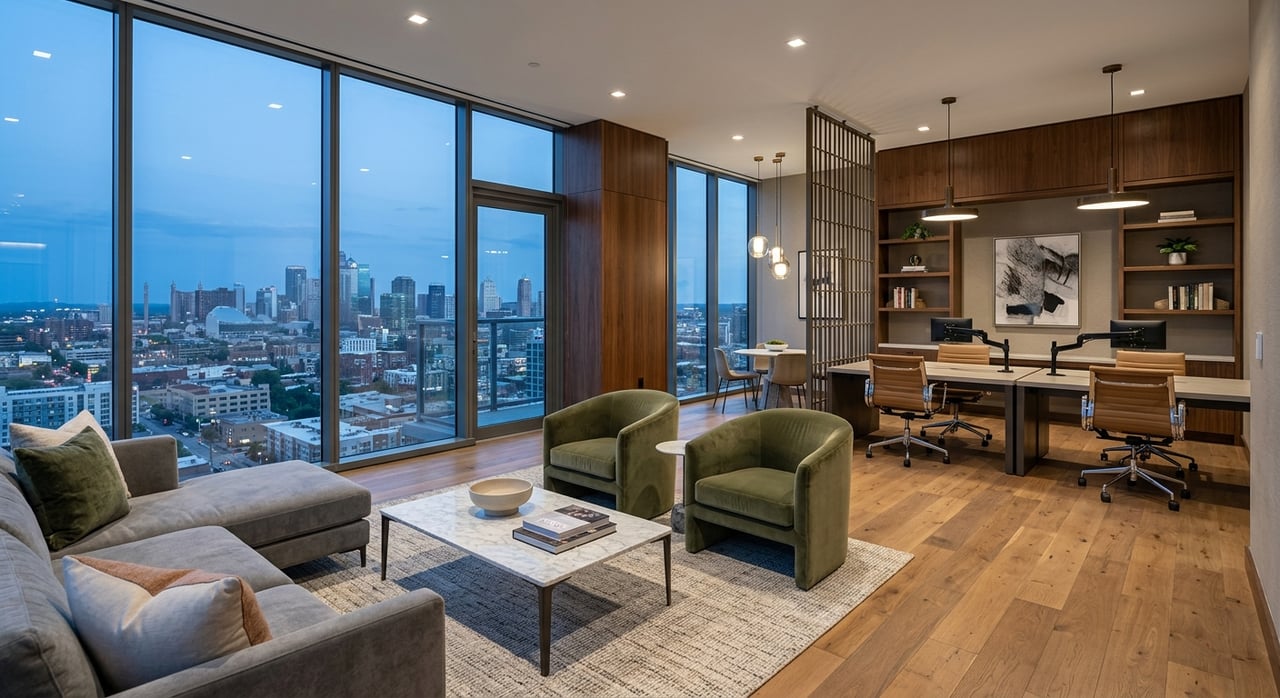
If you want Manhattan living with a polished feel, strong transit access, and amenities that start the moment you step outside, Midtown West and Hudson Yards deserve a close look. This part of the West Side offers a different kind of city experience, one shaped by new development, planned public space, and a lifestyle built around convenience. Whether you are comparing neighborhoods for a move or narrowing your search for a condo or rental, understanding how this area works can help you decide if it fits your priorities. Let’s dive in.
Midtown West and Hudson Yards at a Glance
Midtown West is a broad label for the west side of Manhattan Community District 4, including Chelsea, Clinton/Hell’s Kitchen, and Hudson Yards. In practical terms, it spans a large section of Manhattan’s West Side and sits right next to the classic Midtown business core.
Hudson Yards is more specific. It is a formal planning district shaped by zoning rules meant to support redevelopment, pedestrian access, public space, and connections to the Hudson River and the High Line. That planning history helps explain why the neighborhood feels so cohesive and modern.
For you as a buyer or renter, the biggest takeaway is simple: this is not just another Midtown pocket. It feels more like a mixed-use neighborhood designed around how people live, work, move, and spend time in the city.
Why the Lifestyle Feels Different
Hudson Yards and the surrounding stretch of Midtown West stand apart because so much of the neighborhood experience is integrated. Housing, offices, restaurants, shopping, arts venues, and open space all sit within the same ecosystem.
That creates a more curated, convenience-driven lifestyle than you may find in older parts of Manhattan. Instead of relying on scattered amenities, you have a concentration of services and experiences built into the district itself.
If you value elevator buildings, full-service living, and a neighborhood that feels organized and easy to navigate, this area can be especially appealing. If your preference is prewar texture and a more organic street-by-street feel, the experience may feel more modern and destination-focused.
What Homes Are Like Here
The residential mix in Hudson Yards leans heavily toward luxury high-rise condominiums and rentals. Official neighborhood materials also show a broader mix that includes senior living and hotel-linked residences.
That matters because the housing stock here is defined less by small walk-ups or classic co-ops and more by newer towers with extensive building services. For many buyers, that means newer systems, contemporary finishes, and amenities that support a lock-and-leave lifestyle.
Condo and rental options
Current residential offerings in Hudson Yards include condominiums such as 15 Hudson Yards and 35 Hudson Yards, along with rental options like One Hudson Yards, Abington House, and The Set. These properties reflect the neighborhood’s overall identity: modern, vertical, and amenity-rich.
For you, that often translates to a more predictable building experience. Features like attended lobbies, resident lounges, fitness centers, and private wellness spaces are a major part of the value proposition.
Amenity packages are a major draw
At 15 Hudson Yards, residents have access to about 40,000 square feet of wellness amenities. These include an aquatics center, a 75-foot pool, spa treatment rooms, a fitness center, yoga and group-class studio space, a beauty bar, and a children’s imagination center.
At 35 Hudson Yards, the amenity model expands even further. The building includes private residential amenities and access tied to the Equinox Hotel, Equinox Club and Spa, indoor and outdoor pools, SoulCycle, a meditation room, private lounge and bar, screening room, golf simulator lounge, and in-residence dining and transportation services.
For buyers comparing Manhattan neighborhoods, this is one of the clearest reasons Hudson Yards stands out. In many parts of the city, amenities are a bonus. Here, they are central to the residential experience.
Transit Is a Real Strength
For a neighborhood on Manhattan’s far West Side, Hudson Yards is remarkably well connected. The area combines subway access, regional rail, buses, ferry connections, and direct routes for drivers and rideshare users.
That mix makes daily life easier, especially if your routine extends beyond one part of Manhattan. It is one of the few neighborhoods where city commuting and regional travel can work smoothly within the same footprint.
Subway and bus access
The No. 7 subway extension opened at Hudson Yards in 2015, giving the neighborhood a direct subway anchor at 34 St-Hudson Yards. The MTA station guide identifies this station as accessible and notes connections to the M11, M12, and M34 SBS bus routes.
If you are commuting across Manhattan or connecting to other subway lines, that accessibility can make a meaningful difference. It also supports the area’s appeal for buyers who want new construction without feeling cut off from the rest of the city.
Penn Station and regional mobility
Penn Station and Moynihan Train Hall add another level of convenience. MTA information for Penn Station lists connections including the LIRR, Amtrak, NJ TRANSIT, PATH, subway, and bus service.
That depth of regional access is a serious advantage if your work or lifestyle includes regular travel outside Manhattan. It can also be helpful if you host guests often or split time between New York City and nearby areas.
Neighborhood operations add polish
The Hudson Yards Hell’s Kitchen Alliance provides supplemental sanitation, streetscape improvements, neighborhood horticulture, public art, safety, and advocacy for local businesses, shoppers, and residents. While this may sound operational, it shapes the day-to-day experience.
For you, that can mean cleaner streets, maintained public areas, and an overall sense that the district is actively managed. In a high-density part of Manhattan, that added layer of attention matters.
Parks, Public Space, and the Waterfront
One of the biggest surprises for first-time visitors is how much public space is built into the neighborhood. Hudson Yards opening materials describe 14 acres of open space connected to the High Line, Hudson Park & Boulevard, and Bella Abzug Park.
That network gives the area breathing room. It also helps balance the scale of the towers with places to walk, sit, and spend time outdoors.
Public Square and Gardens
The Public Square and Gardens functions as a central gathering space for the neighborhood. It is part of what makes Hudson Yards feel less like a standalone project and more like a complete district.
If you enjoy having landscaped outdoor space close to home, this is a meaningful quality-of-life feature. In a dense urban setting, that kind of everyday access can shape how a neighborhood feels.
Bella Abzug Park and Hudson River Park
NYC Parks describes Bella Abzug Park as a six-block greenway developed alongside the 7-train extension. It adds a long, linear park element to the neighborhood and supports the area’s pedestrian-friendly design.
Hudson River Park adds an even bigger outdoor asset. The park spans 550 acres and runs four miles along Manhattan’s west side, giving residents broad waterfront access for walking, biking, and recreation.
Dining, Shopping, and Cultural Access
Midtown West and Hudson Yards work well for people who want their neighborhood to offer more than just a place to sleep. This is a district where dining, retail, and cultural spaces are part of everyday living, not just weekend destinations.
That can be especially attractive if you prefer a neighborhood with built-in options for meeting friends, grabbing coffee, shopping, or seeing a performance without planning your entire day around it.
Dining and retail scale
The Shops & Restaurants at Hudson Yards opened as a one-million-square-foot retail center with more than 100 stores across seven levels. Official neighborhood materials also list a wide range of dining options, from casual coffee stops to full-service dinner destinations.
Examples include Mercado Little Spain, Estiatorio Milos, Queensyard, Greywind, BondST, Locanda Verde, Peak, Blue Bottle, Magnolia Bakery, Van Leeuwen, and Li-Lac Chocolates. For you, that means the neighborhood can function as both a home base and a destination.
Arts and attractions
The Shed sits where the High Line meets Hudson Yards, giving the area a strong cultural anchor. The High Line’s Plinth at 10th Avenue and 30th Street also brings rotating contemporary art commissions into the public realm.
The district includes major visitor attractions too. Edge is the highest outdoor sky deck in the Western Hemisphere, and the Javits Center anchors large conventions and events on the neighborhood’s west side.
If you are considering the area, it is worth noting one accuracy point about Vessel. The official Hudson Yards site says it is temporarily closed while floor-to-ceiling steel mesh is installed.
How It Compares With Traditional Midtown
Traditional Midtown often feels shaped by offices first and residences second. Midtown West and Hudson Yards offer a different balance, with newer residential towers, more intentional public space, and a stronger amenity ecosystem.
That does not make one better than the other. It means your decision should come down to lifestyle fit.
If you want a neighborhood that feels efficient, modern, and highly serviced, Hudson Yards may check a lot of boxes. If you want older building stock and a more layered streetscape, you may find other Manhattan neighborhoods a better match.
Who This Area May Suit Best
Midtown West and Hudson Yards can be a strong fit if you prioritize convenience, views, and a full-service residential environment. Buyers who want newer condos, extensive wellness amenities, and quick transit connections often focus here for that reason.
It can also appeal to relocators and part-time city residents who want a simplified Manhattan lifestyle. Newer buildings, doorman service, and strong transportation access can make day-to-day ownership more straightforward.
For sellers, the neighborhood’s appeal is also clear. Buyers are often drawn to the area’s modern inventory, destination retail, public spaces, and easy regional connectivity, all of which support a strong lifestyle story when marketing a property.
If you are weighing Midtown West or Hudson Yards against other Manhattan neighborhoods, the right choice usually comes down to how you want your daily life to feel. If your version of city living includes new construction, polished services, and built-in convenience, this part of the West Side is worth serious consideration.
For tailored guidance on buying, selling, or relocating in Midtown West and Hudson Yards, connect with Elena Smirnova. You will get strategic, high-touch advice grounded in Manhattan market expertise.
FAQs
What is the difference between Midtown West and Hudson Yards?
- Midtown West is a broader West Side area within Manhattan Community District 4, while Hudson Yards is a formal planning district within that broader area.
What types of homes are common in Hudson Yards?
- Hudson Yards is known mainly for luxury high-rise condominiums and rentals, along with some senior living and hotel-linked residential options.
What transit options serve Hudson Yards residents?
- Residents have access to the 7 train at 34 St-Hudson Yards, bus routes including the M11, M12, and M34 SBS, plus nearby Penn Station and Moynihan Train Hall for regional rail connections.
What outdoor spaces are near Hudson Yards?
- The neighborhood includes the Public Square and Gardens, connections to the High Line, Bella Abzug Park, Hudson Park & Boulevard, and access to Hudson River Park.
What makes Hudson Yards feel different from traditional Midtown?
- Hudson Yards generally feels more purpose-built, with newer towers, concentrated amenities, planned public space, and a mixed-use layout centered on convenience.
Is Hudson Yards a good fit for buyers seeking amenities?
- Yes, the neighborhood is especially appealing to buyers who want amenity-rich buildings, modern residences, wellness features, and strong transit access in one location.