Thinking about buying a co-op on the Upper East Side? You are not just buying an apartment. You are also stepping into a building with its own financial standards, paperwork habits, and board culture. If you understand how that process works before you make an offer, you can move with more confidence and avoid common delays. Let’s dive in.
Why Upper East Side co-ops feel different
The Upper East Side is not one single co-op market. It is a collection of very different buildings that share the same neighborhood label.
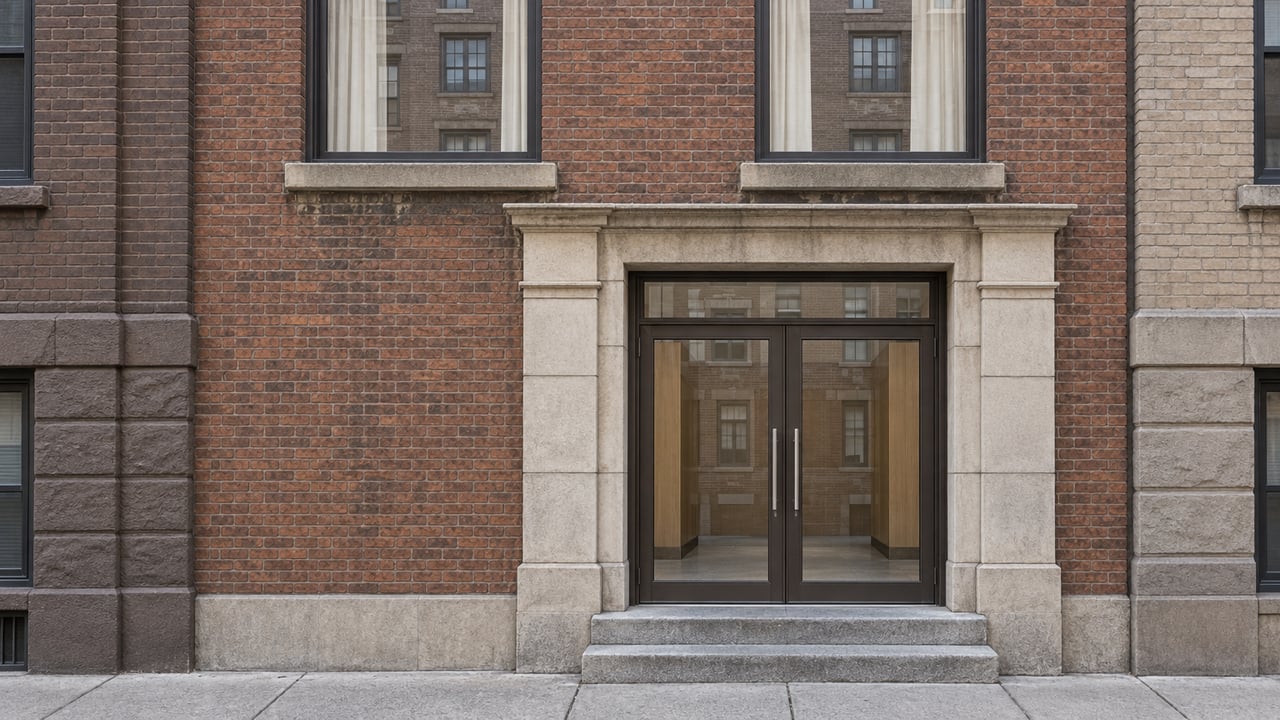
Along Park and Fifth Avenue, you will find many stately co-ops with long-established board practices. Farther east toward Yorkville, prices can become more moderate, and the building mix changes too. That matters because a white-glove Park Avenue co-op, a midblock walk-up, and a newer condop may all handle approvals differently.
StreetEasy’s Upper East Side co-op and condop index shows 872 buildings. For you as a buyer, the practical takeaway is simple: never assume one building’s board process will mirror another’s, even a few blocks away.
What co-op boards usually want
At a basic level, boards are screening for two things: financial suitability and fit with the building’s rules. They want to see that you can comfortably afford the apartment and handle the ongoing costs of ownership.
In New York City, many boards expect substantial post-closing reserves. Older NYC guidance cited in local reporting says that can mean anywhere from six months to two years of maintenance or carrying costs left after closing.
Boards also tend to focus on recurring underwriting themes. These include stable income, manageable debt, and enough liquidity to absorb monthly maintenance and possible future assessments.
That is why your application package should tell one clear story. Your tax returns, bank statements, brokerage statements, and employment records should align cleanly so the board can quickly understand your financial picture.
What goes into a strong board package
Under New York City’s new co-op application law, the package is defined as a standardized written application with forms, authorizations, questionnaires, and supporting documents. In practice, those supporting documents commonly include:
- Income tax returns
- Bank statements
- Brokerage statements
- Personal recommendation letters
- Certain background or lien-search reports
A strong package is not just complete. It is consistent, organized, and easy to review.
If one document shows a different employer, account balance, or address than another, it can trigger extra questions. Even when the issue is harmless, it can slow the process.
Why building due diligence matters
Before you worry about impressing the board, make sure the building itself works for you. This is especially important on the Upper East Side, where many co-ops are older buildings with real capital needs.
A current New York law-firm analysis points to several key indicators in a building’s financial statement. You want to review reserve funds, the operating budget, capital investments, and whether assets can meet liabilities.
Those statements may also reveal pending litigation, the building mortgage balance, major upcoming projects, and whether future funding appears adequate. In plain terms, they can help you spot the risk of future maintenance increases or special assessments.
Board minutes are another valuable part of due diligence. They can reveal shareholder disputes, lawsuits, repair issues, rental-rule changes, pet or terrace restrictions, noise concerns, and signs of whether the board is operating efficiently.
On the Upper East Side, that matters because older co-ops may face façade, roof, waterproofing, elevator, or mechanical work. Those building realities can affect both your monthly costs and your experience as an owner.
How timelines are changing in NYC
Historically, co-op timing in New York City has been hard to predict. Until recently, much depended on a building’s bylaws and the managing agent’s workflow.
That starts to change with Local Law 2026/058. For co-ops with 10 or more units, the law requires a standardized application and transfer-requirements list.
For applications made on or after July 28, 2026, the co-op must acknowledge receipt within 15 days and say whether the package is complete. Once the package is complete, the co-op has 45 days to approve, conditionally approve, or deny the application.
The law allows one 14-day extension without buyer consent. Additional time is possible if the buyer agrees.
There are important limits to know. The law does not require boards to explain a denial, and it does not clearly spell out how interviews fit into the deadline structure.
The law also does not apply to every building. HDFCs, Mitchell-Lama co-ops, and buildings with fewer than 10 units are exempt.
What this means for Upper East Side buyers
For now, timing still depends heavily on the specific building, especially before the law’s effective date. Even after that date, each board will likely have its own pace and internal habits.
That is why preparation still matters more than speed alone. If your package is clean and complete from the start, you give yourself the best chance of a smoother review.
On the Upper East Side, where building cultures vary widely, a tailored strategy often matters more than broad advice. What works in one co-op may not translate directly to another.
What to expect at the board interview
Most co-op board interviews are a short final fit check after the paper review. By that point, major financial red flags have often already been screened out.
Boards commonly ask why you chose the building, who will live in the apartment, whether you have pets, whether anyone works from home, and whether you have reviewed the house rules. Depending on the building, the interview may happen in person or virtually.
The best approach is usually the simplest one. Answer directly, stay calm, and keep your responses concise.
You do not need to perform. You need to come across as prepared, respectful, and ready to live within the building’s rules.
How fair housing rules shape the process
New York City Human Rights Law applies to co-op and condominium board members and managing agents. According to the New York City Commission guidance cited in the research, protected classes include age, race, color, disability, sexual orientation, gender identity, creed, national origin, citizenship status, family status, marital or partnership status, lawful source of income, and lawful occupation.
Retaliation is also prohibited. For you as a buyer, the practical point is to keep the conversation focused on neutral, objective information.
If a question starts drifting into a protected area, the safest move is to redirect toward factual information about your finances, your household composition as it relates to occupancy, and your readiness to follow house rules. Keeping answers professional and neutral helps you stay grounded.
A practical Upper East Side board strategy
If you want to improve your chances of a smooth approval, focus on the fundamentals. Most successful co-op applications are not flashy. They are simply well prepared.
Here is the approach that tends to work best:
- Review the building’s financials before making an offer
- Read board minutes for policy changes, repairs, and signs of conflict
- Confirm reserve expectations and monthly carrying costs
- Organize all financial documents so the numbers match across records
- Prepare for a brief, professional interview
- Stay focused on the building’s rules and objective facts
In a neighborhood as varied as the Upper East Side, details matter. A buyer who understands both the apartment and the building often has a stronger path through the process.
If you are planning a co-op purchase on the Upper East Side, working with an advisor who understands Manhattan building culture can make the process far more efficient. For tailored guidance on evaluating buildings, preparing your package, and navigating the next step, connect with Elena Smirnova.
FAQs
What do Upper East Side co-op boards look for most?
- Upper East Side co-op boards typically focus on financial suitability, including stable income, manageable debt, post-closing liquidity, and whether you appear ready to follow the building’s rules.
When do New York City co-op timeline rules take effect?
- New York City’s Local Law 2026/058 applies to co-op applications made on or after July 28, 2026, for co-ops with 10 or more units, with certain exemptions.
How long can an Upper East Side co-op board take to decide?
- Before July 28, 2026, timing still depends largely on each building’s bylaws and managing-agent process; after that date, covered co-ops must follow specific acknowledgment and decision deadlines under the new law.
What documents are usually included in a New York City co-op board package?
- A New York City co-op board package commonly includes forms, authorizations, questionnaires, tax returns, bank and brokerage statements, recommendation letters, and certain background or lien-search reports.
Why should Upper East Side buyers read co-op board minutes?
- Co-op board minutes can reveal repair plans, policy changes, disputes, lawsuits, restrictions, and other issues that may affect your costs or ownership experience.
What happens at a New York City co-op board interview?
- A New York City co-op board interview is usually a short final review where the board may ask why you chose the building, who will live in the apartment, whether you have pets, whether anyone works from home, and whether you have read the house rules.
Can a New York City co-op board deny an application without giving a reason?
- Yes, the new New York City co-op timeline law does not require boards to state the reason for a denial.
Are all Upper East Side co-ops covered by the new NYC timeline law?
- No, the law does not apply to HDFCs, Mitchell-Lama co-ops, or buildings with fewer than 10 units.