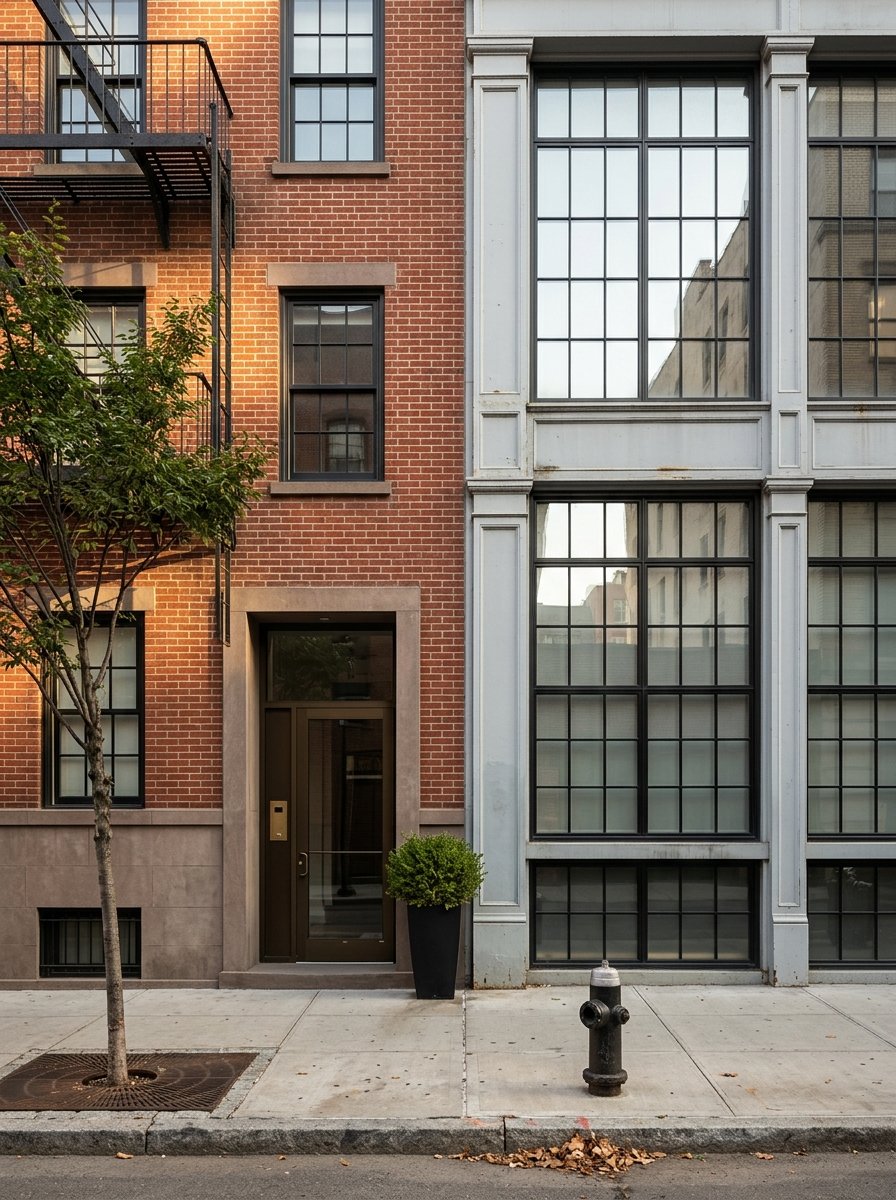
Trying to choose between Gramercy and Flatiron? In Manhattan, a few blocks can completely change how your day feels, from the pace on the sidewalk to the kind of home you come back to at night. If you are weighing these two neighboring areas, this guide will help you compare housing, street life, transit, and everyday rhythm so you can decide which one fits the way you actually live. Let’s dive in.
Gramercy vs Flatiron at a Glance
Gramercy and Flatiron sit close together, but they offer noticeably different lifestyles. Gramercy feels quieter and more residential, while Flatiron feels more active and mixed-use.
According to city planning material, Gramercy is primarily residential, with commercial activity concentrated along First and Second Avenues. By contrast, the Flatiron NoMad Partnership describes Flatiron as a center of activity with retail, employers, cultural institutions, and a substantial residential population.
If your decision starts with energy level alone, that difference matters. Gramercy tends to feel more tucked away, while Flatiron puts you in the middle of a busier public realm.
How Each Neighborhood Feels
Gramercy feels calm and tucked in
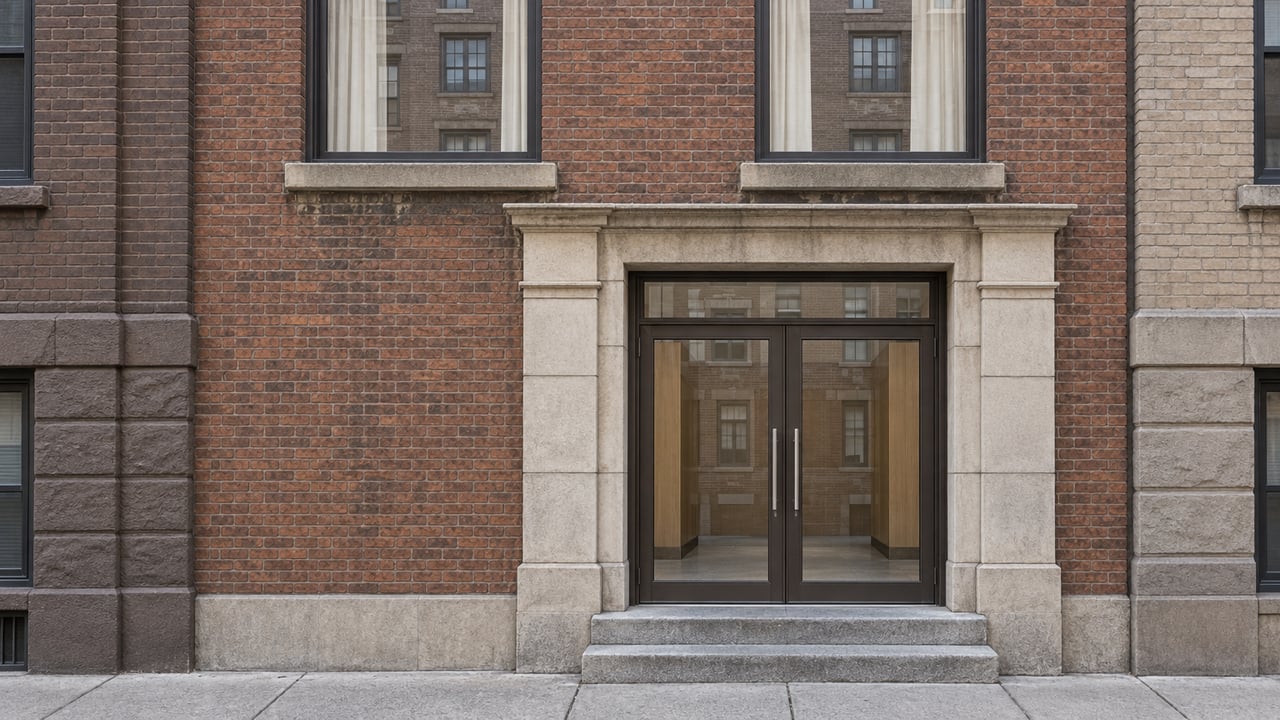
Gramercy is known for its historic, residential character. Landmarks material describes a neighborhood shaped around a private park and a preserved streetscape that still reads as distinctly residential today.
That often appeals to buyers who want Manhattan convenience without feeling like they live inside a nonstop commercial corridor. Even when you are close to downtown activity, Gramercy can feel more intimate block by block.
Flatiron feels active and connected
Flatiron has a more public-facing identity. The district combines residential buildings with offices, shopping, dining, and heavily used public spaces, creating a stronger all-day rhythm.
The Flatiron NoMad Partnership notes that the district includes more than 36 million commercial square feet, more than 100,000 daily workers, and more than 35,000 residents. That mix helps explain why the neighborhood often feels lively from morning through evening.
Housing Stock and Buyer Fit
Gramercy housing leans prewar
If you are drawn to classic Manhattan architecture, Gramercy may feel like the more natural fit. The housing mix here tends to include prewar co-ops, brownstones, and older condos, which often appeal to buyers looking for original character and a more traditional ownership experience.
The research snapshot also points to a lower median asking profile than Flatiron. Through February 2026, Gramercy showed a median listing home price of $1,275,000 and a median rental price of $5,995, based on neighborhood market data cited in the research report.
Flatiron offers more lofts and newer condos
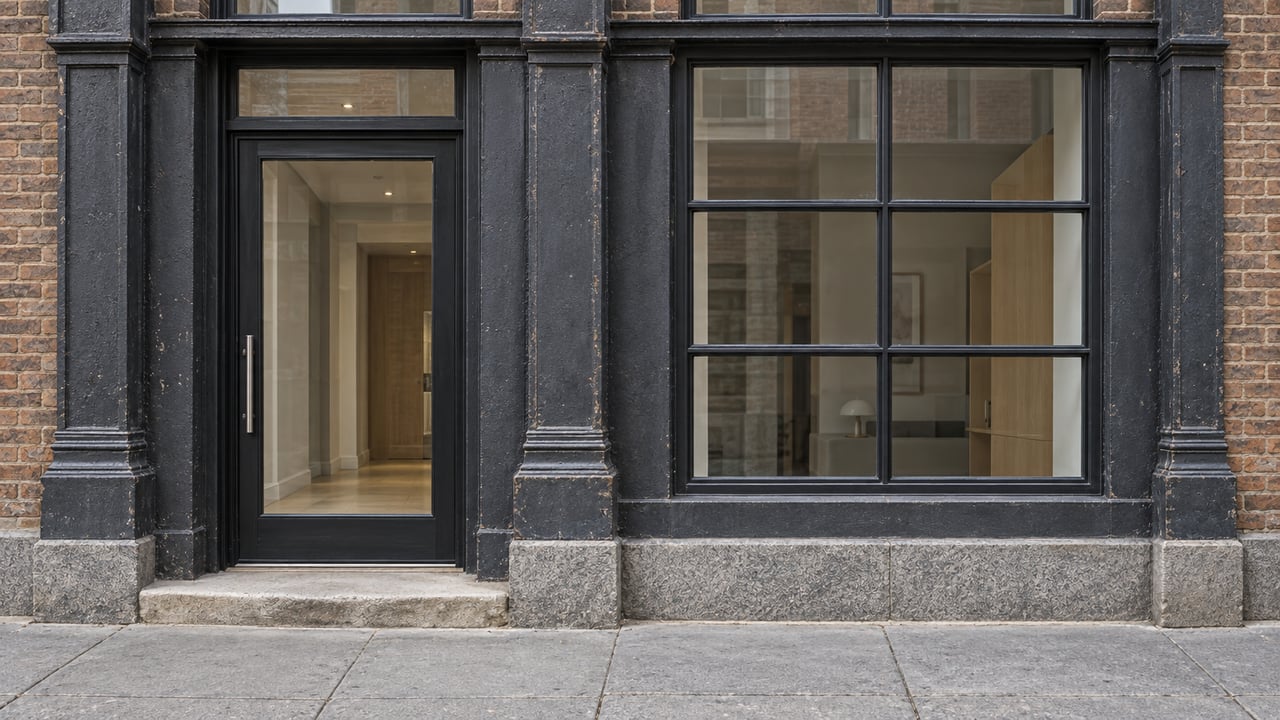
Flatiron tends to skew more condo-forward, with loft-style homes, loft conversions, and newer development inventory in the mix. If you want bigger volume, newer finishes, or a more modern building experience, Flatiron may align more closely with your priorities.
Through February 2026, Flatiron showed a median listing home price of $2,750,000 and a median rental price of $8,500, based on neighborhood market data cited in the research report. That pricing gap reflects a different inventory profile as much as it reflects neighborhood identity.
Which buyer profile fits best
In practical terms, Gramercy often suits buyers who want:
- Prewar charm
- A co-op-heavy market
- A lower-key residential atmosphere
- A home that feels removed from the busiest streets
Flatiron often suits buyers who want:
- Loft-like layouts
- Newer condo options
- Modern finishes
- A busier downtown setting with more daily activity
Streetscape and Green Space
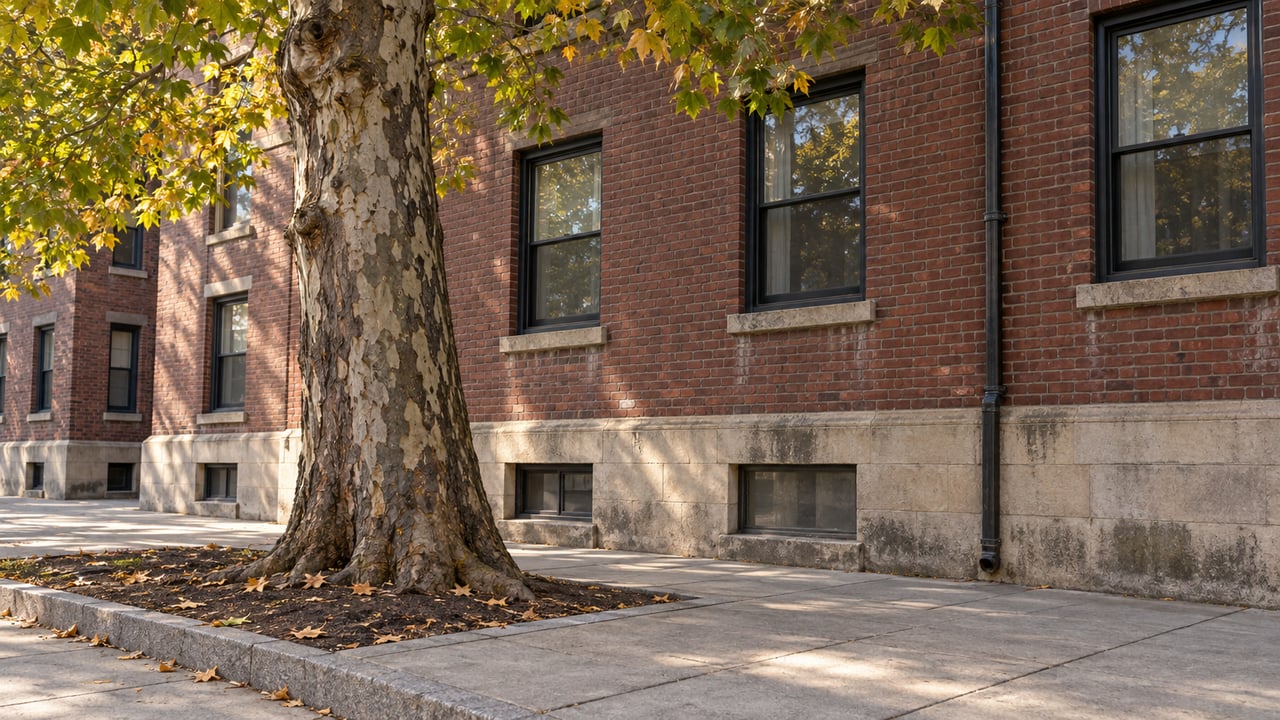
Gramercy offers a more intimate streetscape
Gramercy has a preserved historic feel that many buyers notice right away. According to Landmarks Preservation Commission material, the area is defined in part by its historic district character and its relationship to Gramercy Park.
It is worth knowing that Gramercy Park itself is private, so it does not function like a typical public park experience. Still, city sources referenced in the research report point to nearby public open spaces such as Augustus St. Gaudens Playground, Peter's Field, and Stuyvesant Square.
Flatiron has stronger public-space energy
Flatiron is more public-realm oriented. The Flatiron Plazas at 23rd Street, Fifth Avenue, and Broadway include seating, planters, and food kiosks, and the city says they receive more than 50,000 people per day.
That public activity is part of the neighborhood’s identity. Add in nearby Madison Square Park, a 6.2-acre public park in the heart of Manhattan, and Flatiron tends to feel more open, social, and visually animated at street level.
Transit and Getting Around
Both neighborhoods benefit from strong transit access, which is one reason they remain so appealing to Manhattan buyers. You are close to major subway lines in either location, including the Union Square hub.
Flatiron does have a slight edge in immediate subway density. The MTA map shows the 6 train at 23rd Street, the R and W at 23rd Street on Broadway, additional access along Sixth Avenue, and the major 14 St-Union Sq complex serving the 4, 5, 6, L, N, Q, R, and W.
Gramercy also benefits from that network, but the neighborhood experience still feels less like a transit crossroads and more like a residential enclave near major connections. If you want convenience without the strongest station-area intensity, that distinction may matter.
Dining and Nightlife Rhythm
Gramercy is more low-key
If your ideal evening involves a quieter dinner spot or a more relaxed block-by-block atmosphere, Gramercy may be the better match. Commercial activity is more concentrated along First and Second Avenues, which helps preserve a calmer feel in much of the neighborhood.
That setup can be appealing if you want options nearby without living in the center of the action. You can still reach Union Square or Flatiron easily when you want a broader mix of restaurants or a busier night out.
Flatiron is busier throughout the day
Flatiron has the denser dining and after-work feel. The Flatiron NoMad Partnership’s district overview highlights the area’s mix of dining, retail, and daytime workforce, which supports a more energetic daily pattern.
For some buyers, that is a major plus. If you like being surrounded by movement, lunch crowds, dinner traffic, and active public spaces, Flatiron can feel exciting and convenient in a way Gramercy intentionally does not.
Gramercy vs Flatiron: Which Fits Your Lifestyle?
The right choice depends less on which neighborhood is better and more on which one feels more like your version of Manhattan.
Choose Gramercy if you want a neighborhood that feels quieter, more residential, and more rooted in prewar character. It can be a strong fit if you value co-op inventory, calmer blocks, and a sense of separation from heavier downtown traffic.
Choose Flatiron if you want a more dynamic daily environment with loftier or newer condo options, stronger restaurant and plaza energy, and dense transit access right outside your door. It can be a better fit if you want your neighborhood to feel plugged into the city from the moment you step outside.
If you are comparing both areas as a buyer, it helps to look beyond listing photos and think about how you want your days to work. The best move is usually the one that matches both your housing goals and your lifestyle rhythm.
When you are ready to compare co-ops, condos, lofts, or off-market opportunities in Gramercy and Flatiron, Elena Smirnova can help you evaluate the tradeoffs with a clear, data-driven approach and local Manhattan insight.
FAQs
Is Gramercy or Flatiron better for a quieter Manhattan lifestyle?
- Gramercy is generally the better fit if you want a quieter, more residential setting with a calmer street feel.
Is Flatiron or Gramercy better for newer condos and loft-style homes?
- Flatiron is typically the stronger match if you are looking for loft-like layouts, newer condo inventory, and more modern finishes.
Is transit better in Flatiron or Gramercy for daily commuting?
- Both neighborhoods have excellent access, but Flatiron has a slight edge in immediate subway density around 23rd Street and Union Square.
Is Gramercy or Flatiron more expensive to buy in Manhattan?
- Based on the research report’s February 2026 snapshot, Flatiron had a higher median listing home price than Gramercy.
Is Gramercy or Flatiron better for dining and nightlife in Manhattan?
- Flatiron generally offers a busier dining and after-work scene, while Gramercy tends to feel more intimate and low-key.
Does Gramercy or Flatiron have better park access and public open space?
- Flatiron has a stronger public-space profile thanks to the Flatiron Plazas and nearby Madison Square Park, while Gramercy’s signature park is private.