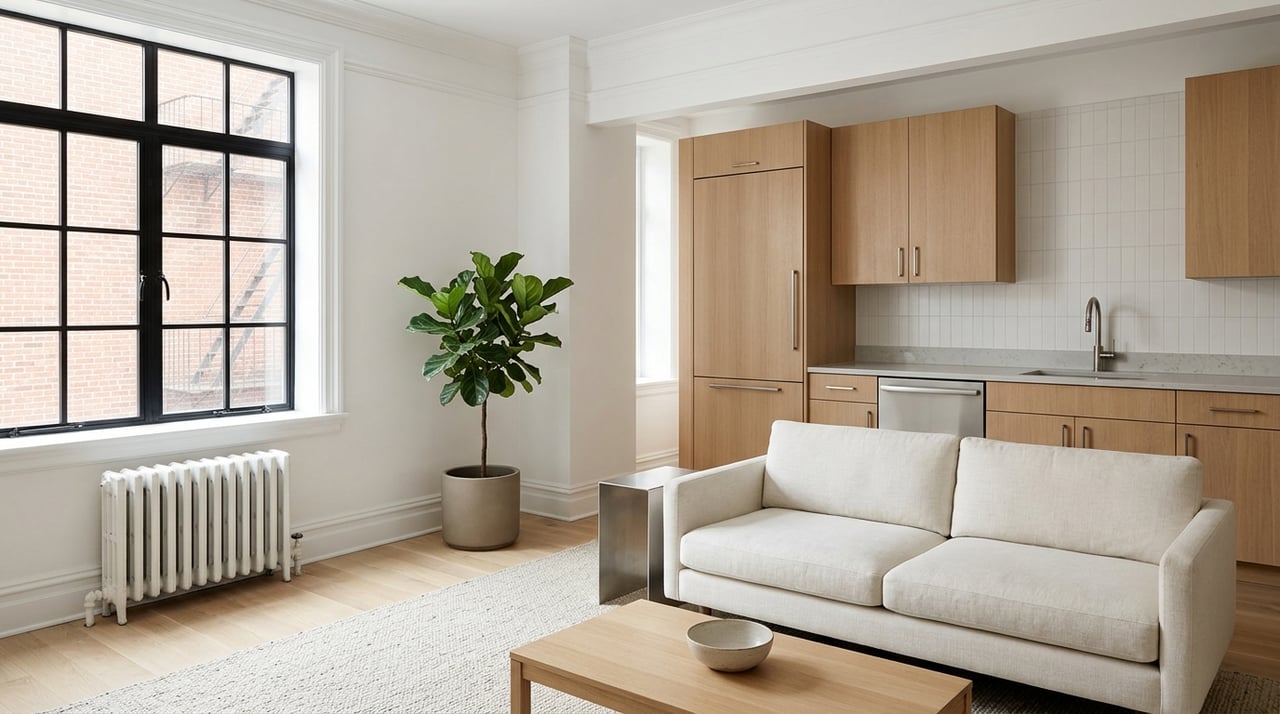
If you are deciding between a classic home and a new development on the Upper West Side, you are really choosing between two different ways of living. One offers architectural continuity, established building culture, and a strong sense of neighborhood context. The other often brings newer systems, added services, and a more turnkey feel. This guide will help you compare both paths so you can decide what fits your routine, priorities, and long-term goals. Let’s dive in.
Why the Upper West Side makes this choice unique
The Upper West Side is one of the few Manhattan neighborhoods where the classic-versus-new question feels especially meaningful. Its streetscape includes large prewar apartment buildings, row houses, narrower side streets, and selective newer construction that stands out without fully breaking from the neighborhood’s visual identity.
City Planning describes the area with a mix of large prewar apartment buildings on Riverside Drive and West End Avenue, smaller townhouses and multifamily buildings on side streets, and Broadway as a mixed commercial-residential corridor. In Manhattan Valley, the building pattern includes four- to five-story apartment buildings and row houses built around 1900 to 1920. That layered housing stock gives you real choices, not just different price points.
The area also includes multiple historic districts recognized by the Landmarks Preservation Commission. These include the Upper West Side/Central Park West district and several Riverside and West End districts and extensions. That matters because preservation rules shape how buildings evolve and help maintain the visual character many buyers value.
What classic Upper West Side living means
On the Upper West Side, classic living often means buying in a co-op. In New York, co-op buyers purchase shares in a corporation and receive a long-term proprietary lease for a specific apartment. You also pay maintenance charges based on the number of shares allocated to your unit.
That ownership structure affects daily life more than many first-time Manhattan buyers expect. Co-op boards are elected by shareholders, and boards must follow the building’s bylaws, proprietary lease, and house rules. In practice, this often creates a more process-driven building culture.
For many buyers, that structure is part of the appeal. You may value a building that has established systems, a longer institutional memory, and a community that pays close attention to how the property is run. On the Upper West Side, that experience often pairs with the prewar and rowhouse streetscape that gives the neighborhood so much of its identity.
The appeal of classic homes
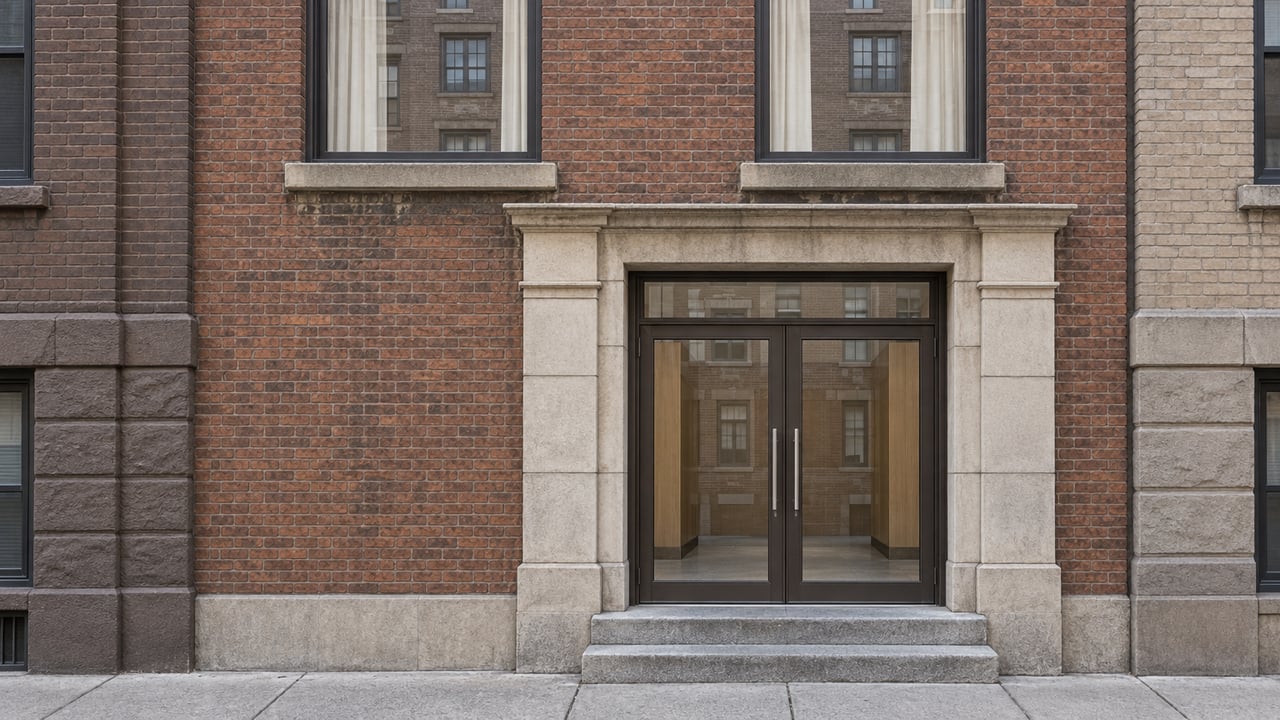
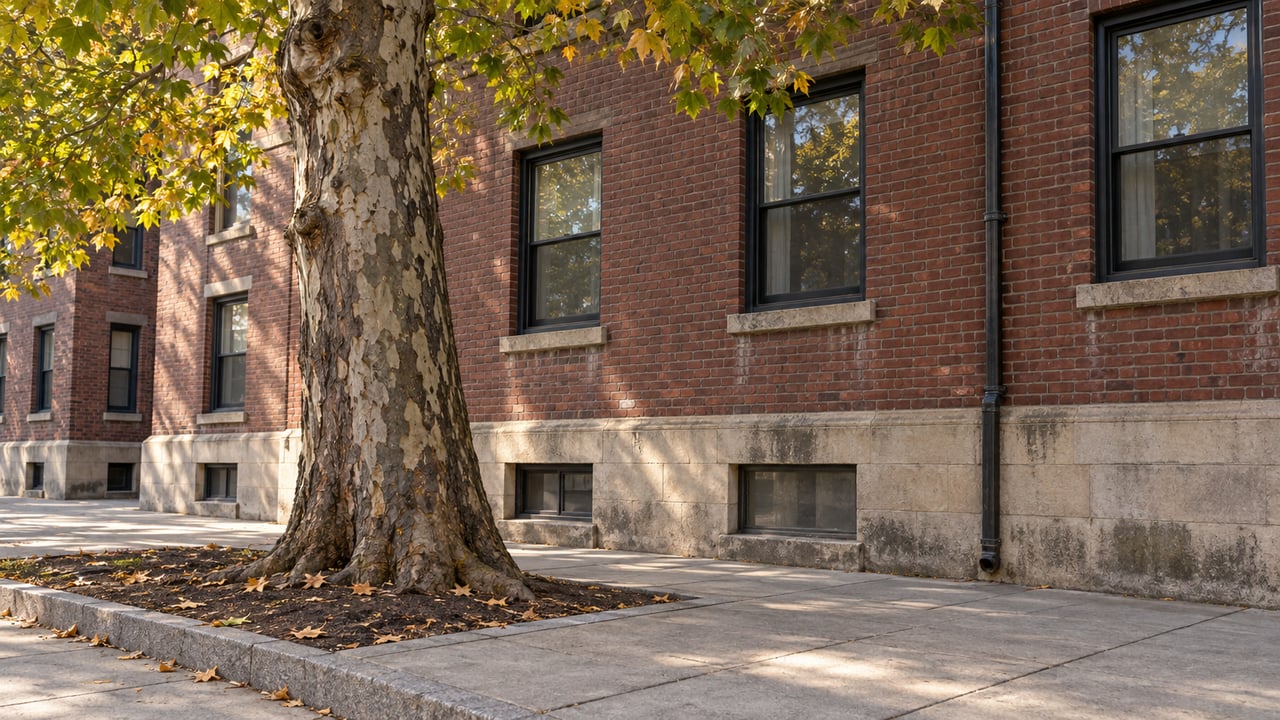
Classic Upper West Side homes often attract buyers who care deeply about context. The surrounding blocks, masonry facades, stoops, and preserved streetscapes can create a sense of continuity that feels hard to replicate in newer areas.
You may also appreciate the rhythm of buildings that were designed within an older urban pattern. The neighborhood’s physical fabric, as described by City Planning, supports that feeling through its mix of prewar apartment houses, row houses, and lower-scale side streets.
The tradeoffs to understand
Classic does not simply mean charming. It can also mean more rules, more documents to review, and more building-wide maintenance questions that deserve careful attention.
The New York Attorney General advises co-op buyers to review annual reports, board minutes, financial materials, and the offering plan. That guidance is especially important in older buildings, where issues involving facades, roofs, elevators, plumbing, electrical systems, or other shared components can affect both cost and day-to-day convenience.
If the building sits within a historic district or is landmarked, exterior work may also require Landmarks Preservation Commission review. The Commission notes that landmark designation does not freeze a building or area in place, but approval is required for most exterior alterations and for new construction affecting designated properties. For you, that may be either a benefit or a constraint depending on how much flexibility you want.
What new development living means
Newer Upper West Side homes often offer a different ownership and lifestyle experience. These residences are commonly condos, and the focus is usually on ease, convenience, and more contemporary design priorities.
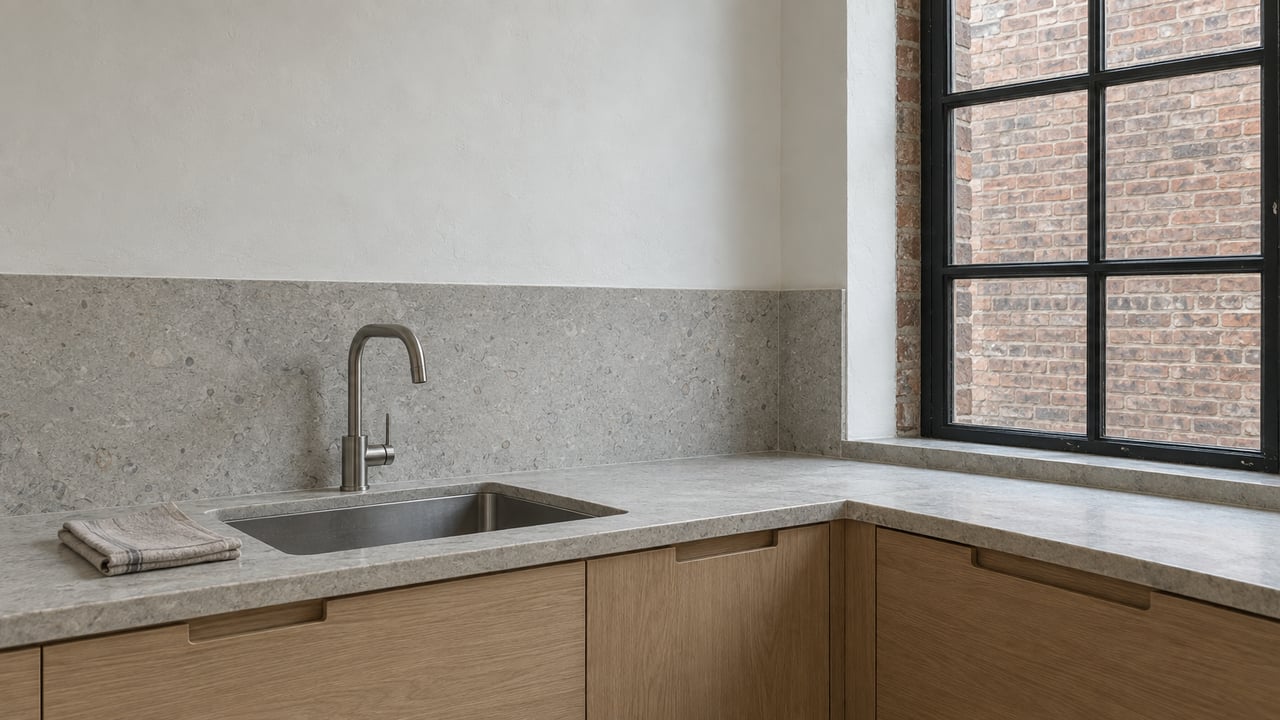
For buyers comparing options, the biggest difference is often how the home functions day to day. New development can mean more open layouts, larger window walls, private outdoor space, wellness-oriented building systems, and staffed services that reduce friction in your routine.
Project materials from current Upper West Side developments help illustrate the pattern. Charlotte of the Upper West Side highlights open-plan layouts, floor-to-ceiling windows, private terraces, concierge and doorman service, fitness space, storage, and ventilation and air-quality systems. Fifteen at 96th Street emphasizes private outdoor space, a 24-hour doorman, a live-in superintendent, and a fitness center.
Why buyers are drawn to new development
If you want a more turnkey experience, newer construction can be compelling. You may prefer modern layouts, stronger emphasis on natural light, and amenities that support work, fitness, or entertaining without leaving the building.
For some buyers, outdoor space is the deciding factor. For others, it is the convenience of service staff, newer building systems, or less immediate concern about older shared infrastructure.
What to verify before you commit
With new development, marketing can be polished and persuasive, so due diligence still matters. The New York Attorney General warns that for new construction, the offering plan controls what the sponsor is required to deliver.
That means you should not rely on brochures, renderings, or verbal promises alone. If a feature matters to you, whether that is a terrace, a finish package, a specific service, or a building amenity, it should be confirmed through the offering plan and purchase documentation.
How new buildings fit the neighborhood
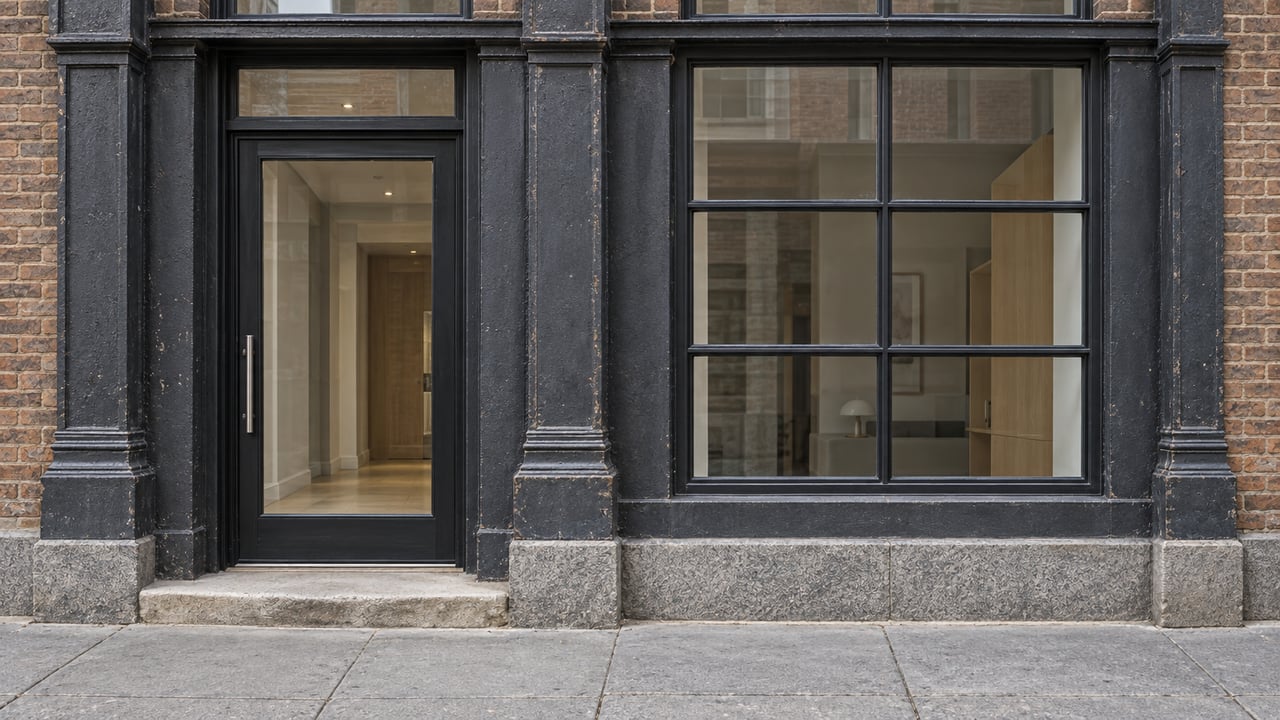
One reason new development can work surprisingly well on the Upper West Side is that newer buildings often respond to the surrounding historic context rather than ignore it. Some projects explicitly reference neighborhood materials and proportions in their exterior design.
Charlotte, for example, describes its brick-and-terra-cotta facade as inspired by the surrounding historic district. That does not make a new building prewar, of course, but it does show how Upper West Side development often tries to feel visually connected to older masonry blocks while delivering a more modern interior experience.
For you, that can create an appealing middle ground. You may get the convenience of new systems and amenities while still living on a block that feels unmistakably Upper West Side.
Lifestyle matters as much as the building
On the Upper West Side, the housing choice is only part of the story. The neighborhood’s daily rhythm is shaped by parks, culture, and public spaces that can influence which type of home feels right for you.
Lincoln Center anchors the neighborhood with 11 resident arts organizations and public plazas that are open daily. The American Museum of Natural History remains one of the area’s defining cultural institutions. Riverside Park adds six miles of parkland, recreation areas, playgrounds, and free programming along the West Side.
If your routine includes walks by the park, performances, museums, or simply a strong connection to neighborhood institutions, both classic and new homes can serve that lifestyle. The real difference is how you want to come home at the end of the day.
A classic home may fit you if
- You value established building culture and board governance
- You are comfortable reviewing financials, minutes, and building documents carefully
- You want a home that feels tied to the neighborhood’s preserved streetscape
- You appreciate architectural continuity more than a long amenity list
A new development may fit you if
- You want more of a turnkey ownership experience
- You prioritize light, outdoor space, and modern layouts
- You value services such as a doorman, concierge, or live-in superintendent
- You want building systems and amenities designed around contemporary living
Questions to ask before choosing
The best Upper West Side purchase is not always the most charming home or the newest one. It is the one that matches how you want to live, what level of process you are comfortable with, and how much building complexity you want to take on.
As you compare options, focus on a few practical questions:
- How much board process are you comfortable with?
- How important is historic context to your decision?
- Do you prefer preserved character or newer convenience?
- How much due diligence do you want to do on building condition?
- Are amenities and service part of your must-have list?
- If buying new development, have the key features been confirmed in the offering plan?
Those answers usually make the right path clearer.
If you want help comparing a classic co-op to a newer condo on the Upper West Side, working with an advisor who understands both the numbers and the lifestyle differences can make the process much easier. Elena Smirnova offers a data-driven, high-touch approach to help you evaluate co-ops, condos, and new development with confidence.
FAQs
What does classic Upper West Side living usually mean?
- Classic Upper West Side living often means a co-op in a prewar or older building, with shareholder ownership, board governance, maintenance charges, and a stronger connection to the neighborhood’s historic streetscape.
What should buyers know about Upper West Side co-op boards?
- Co-op boards are elected by shareholders and operate under the building’s bylaws, proprietary lease, and house rules, so you should review board materials, minutes, and financial reports closely before buying.
What makes new development living different on the Upper West Side?
- New development on the Upper West Side often emphasizes open layouts, larger windows, private outdoor space, staffed services, fitness amenities, and newer ventilation or building systems.
What documents matter when buying a new development condo in New York?
- For new construction, the offering plan is critical because it controls what the sponsor is actually required to deliver, which is why buyers should confirm important features in writing.
How do historic districts affect Upper West Side homes?
- In historic districts, most exterior alterations and certain new construction affecting designated properties require Landmarks Preservation Commission approval, which helps shape how buildings change over time.
Is the Upper West Side better for classic homes or new development?
- The Upper West Side works well for both, and the better fit depends on whether you value preserved character and board culture more than modern amenities, services, and a turnkey feel.