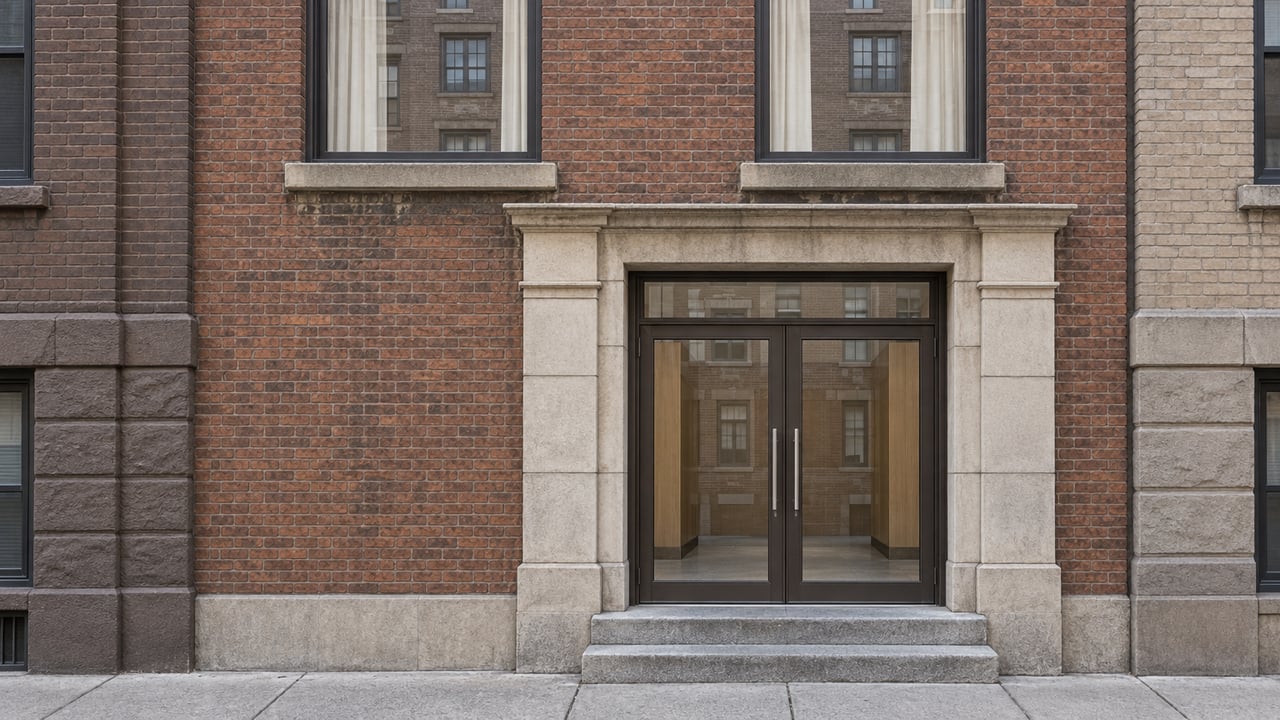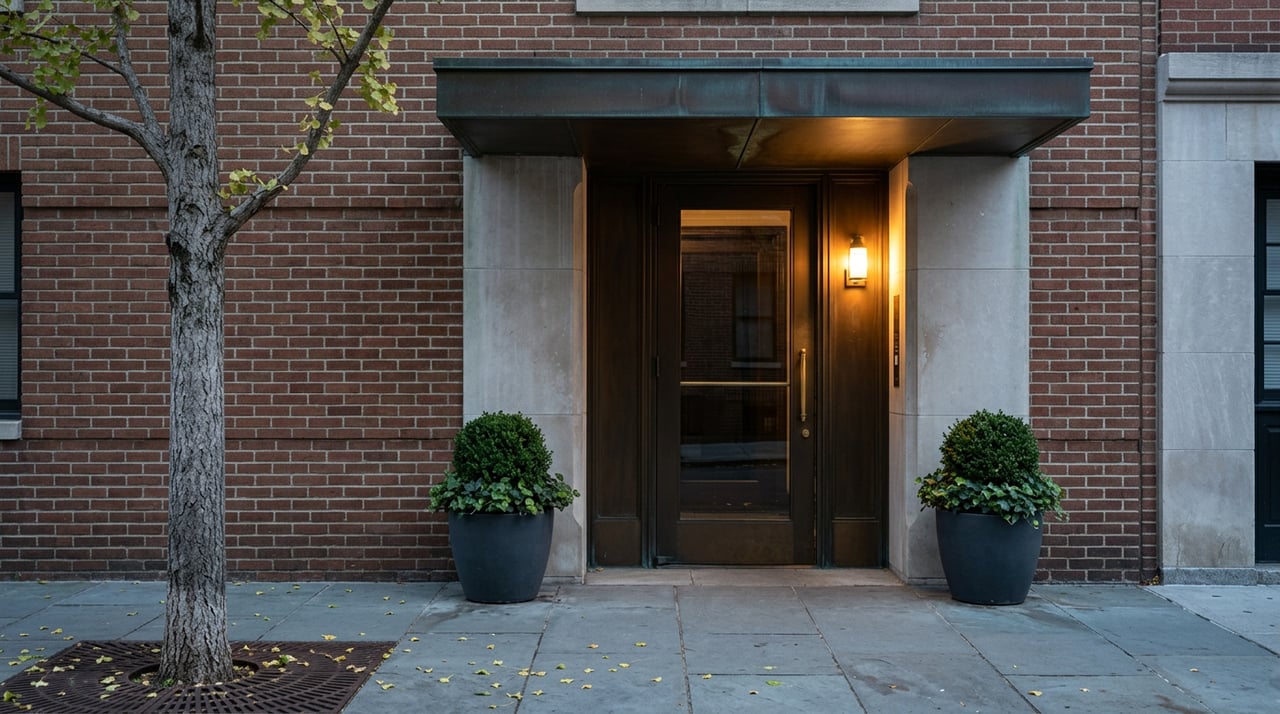
During high-level week, a walk toward Peter Detmold Park can be affected by checkpoints on Second Avenue. This is not a story about traffic. It is a story about a neighborhood that quietly rearranges its own clock for high-level week, then puts it back.
The high-level week of the 81st U.N. General Assembly runs Tuesday, September 22 through Monday, September 28, 2026, with the security build-out starting the weekend before, around September 19 and 20. That much is public record and every local news outlet will tell you the same thing: expect gridlock, use the subway, don't drive. What gets left out of that advice is what the week actually feels like for someone who already lives inside the perimeter, and the answer is more interesting than "bad traffic." The cars lose the week entirely. The sidewalks, oddly, do not.
The Blocks That Freeze
The security zone the NYPD sets up every year has a consistent shape even though the exact footprint is only confirmed days ahead. First Avenue closes between 42nd and 48th Streets, and the cross streets in that stretch, 42nd, 44th, 45th, 46th and 47th, become checkpoint-only between First and Second Avenues. Checkpoints typically run daily from about 7 a.m. to 9 p.m. Anyone who has lived through a few of these knows the pattern by feel: the frozen zone hugs First Avenue and the low-to-mid 40s tight to the UN complex, while Second and Third Avenue traffic gets squeezed but not sealed.
The part that catches newer residents off guard has nothing to do with cars. Inside the security zone, sanitation pickup shifts to a midnight-to-6 a.m. window only, and residents are told not to put trash out until after 9 p.m. It is a small rule, but it is the clearest sign that this isn't a traffic story so much as an operations story. For one week, an entire slice of Turtle Bay runs on a schedule set by security planning rather than habit.
Cars Lose the Week. Sidewalks Don't.
NYC's Department of Transportation designates the opening days of high-level week as Gridlock Alert Days, and the numbers back up the nickname. Average vehicle speeds in Midtown, which normally run 4 to 6 miles per hour on a typical day, drop below 4 miles per hour during the General Assembly, according to NYC DOT. That's not a rush hour slowdown. That's a citywide agency telling drivers the grid has effectively stopped functioning as a grid.
What that same closure does for a pedestrian is almost the opposite. With through-traffic gone from First Avenue and much of the low 40s on the East Side, the blocks that remain walkable turn quieter than they are the other 51 weeks of the year. No delivery trucks idling, no cross-town buses squeezing past, just checkpoint lines and a lot of foot traffic moving at the pace of people who live here and know exactly which gate lets them through fastest.
There is one piece of this arrangement that outlasts the week entirely. For five years running, DOT ran a temporary protected bike lane through the First Avenue Tunnel during General Assembly week, giving cyclists a jersey-barrier-protected route around the frozen intersections near UN headquarters. In fall 2024, DOT made that lane permanent. A closure built to survive one chaotic week a year became infrastructure the neighborhood keeps using every week after.
The Pocket Parks Don't Care About the Perimeter
Here is the detail that never makes the traffic advisories: several of Turtle Bay's smallest, most-used green spaces sit right at the edge of, or just inside, the zone that gets tightest during high-level week, and none of them change their routine because of it.
Greenacre Park, the 6,360-square-foot vest-pocket park at 217 East 51st Street between Second and Third Avenues, keeps its usual 8 a.m. to 6 p.m. hours and its 25-foot waterfall running straight through the week, same as it does April through December every year. It's privately owned by the Greenacre Foundation and landmarked, and it does not allow pets or bicycles at any time of year, UNGA week included, so it was never part of anyone's dog-walking route to begin with.
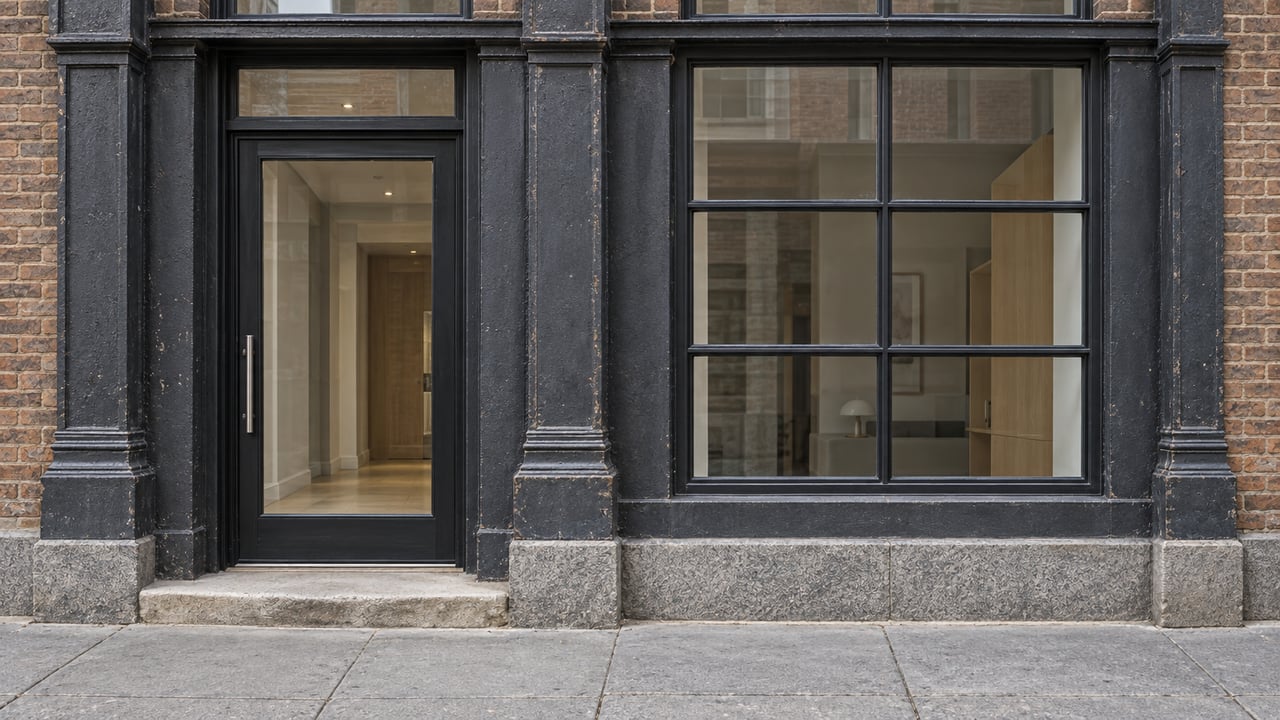
Peter Detmold Park is at 454 East 51st Street. Despite an imposing cast-iron gate, it's one of the calmer green spaces on this stretch of the East River, with a dog run that keeps operating on its normal schedule regardless of what's happening two avenues over. A short walk north, Sutton Place Park sits on the river between 56th and 57th Streets with its view of the Queensboro Bridge, well outside the tightest checkpoint blocks and functionally undisturbed all week.
The pattern across all three: the pocket parks that already ran at a slower, foot-traffic pace before the General Assembly showed up keep running exactly that way during it. The disruption belongs to the avenues built for cars. It never really touches the parks built for people standing still.
A Quick Reference for the Week
| A normal week | High-level week (Sept 22-28) | |
|---|---|---|
| Trash pickup inside the zone | Standard schedule | Midnight to 6 a.m. only; nothing out before 9 p.m. |
| Midtown traffic speed | 4 to 6 mph | Under 4 mph |
| First Avenue, 42nd-48th St | Open | Closed to vehicles |
| Checkpoints, cross streets 42nd and 44th-47th | None | Roughly 7 a.m. to 9 p.m. |
| Peter Detmold Park dog run | Normal hours | Normal hours |
| Greenacre Park | 8 a.m. to 6 p.m. | 8 a.m. to 6 p.m. |
| First Avenue Tunnel bike lane | Open | Open (this is the one permanent change) |
What Doesn't Change
Some of Turtle Bay's oldest fixtures treat the week as background noise. Second Avenue's restaurant row, the strip that runs past buildings like 25 Beekman Place and the Bridgemarket Trader Joe's, keeps its tables full. Neary's, the Irish pub that's been a neighborhood fixture since the days of its late founder Jimmy Neary, doesn't post a sign about the UN, doesn't change its hours, and doesn't need to. It's the kind of place regulars have always outnumbered visitors, General Assembly or not. For anyone tracking the neighborhood's day-to-day calendar the rest of the year, the monthly rundown from Sutton Place Social covers everything from walking tours to consulate open houses across Sutton Place, Beekman Place, Turtle Bay and Tudor City, and it's worth a look even in weeks with no motorcades at all.
By the following Tuesday, the barricades come down, the frozen zone reopens to cars, and First Avenue goes back to averaging its usual 4 to 6 miles per hour. Residents return to walking their dogs at whatever time actually suits them. What sticks around is the bike lane through the tunnel, a permanent upgrade that only exists because one disruptive week a year proved, five years running, that it worked.
If you're weighing what it actually means to live day to day in Turtle Bay, Sutton Place, or anywhere else along Manhattan's East Side, Elena Smirnova at Supernova can walk you through the blocks, the buildings, and the parts of the neighborhood that never show up in a traffic advisory. Work with Elena.
This article is general information, not legal, tax or financial advice. Consult a qualified professional about your situation.