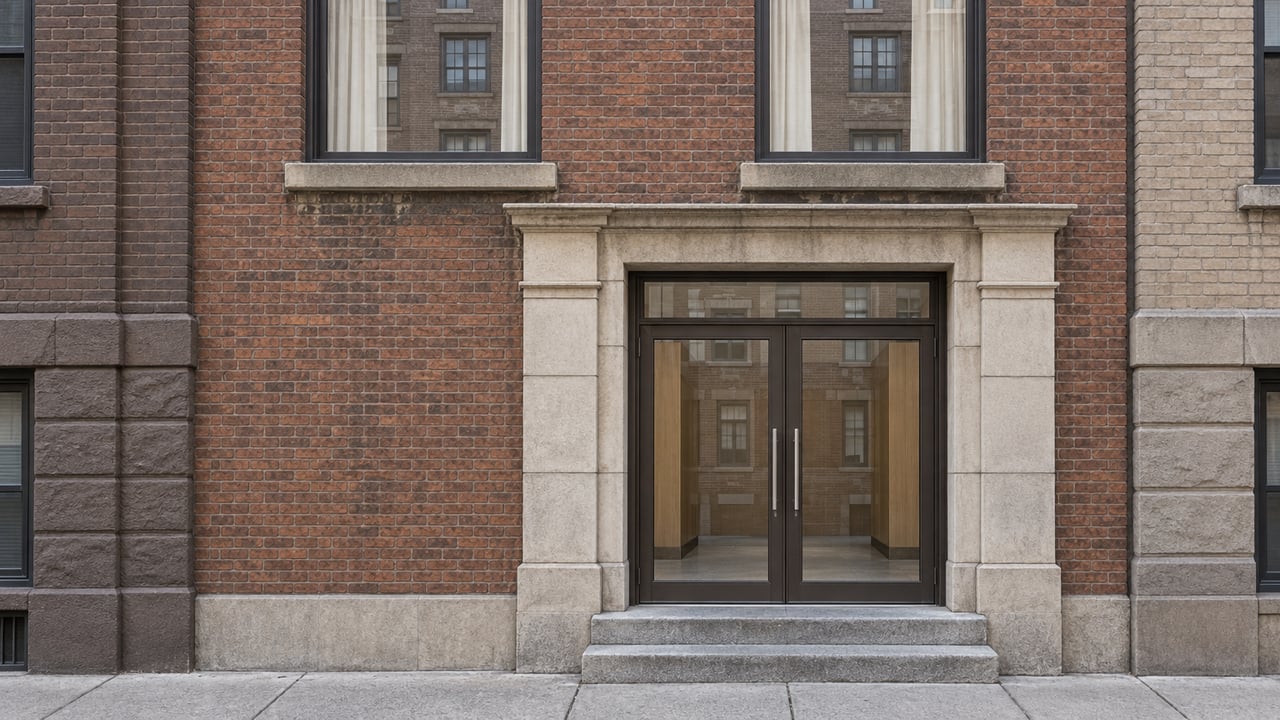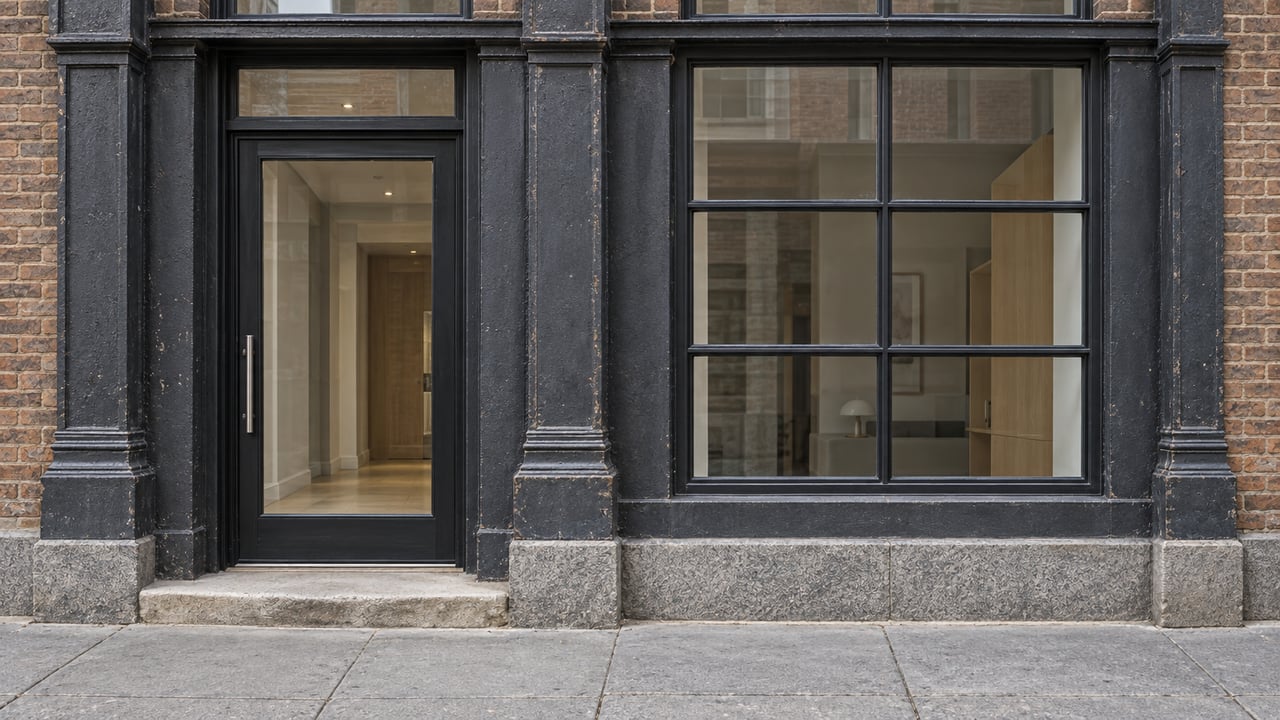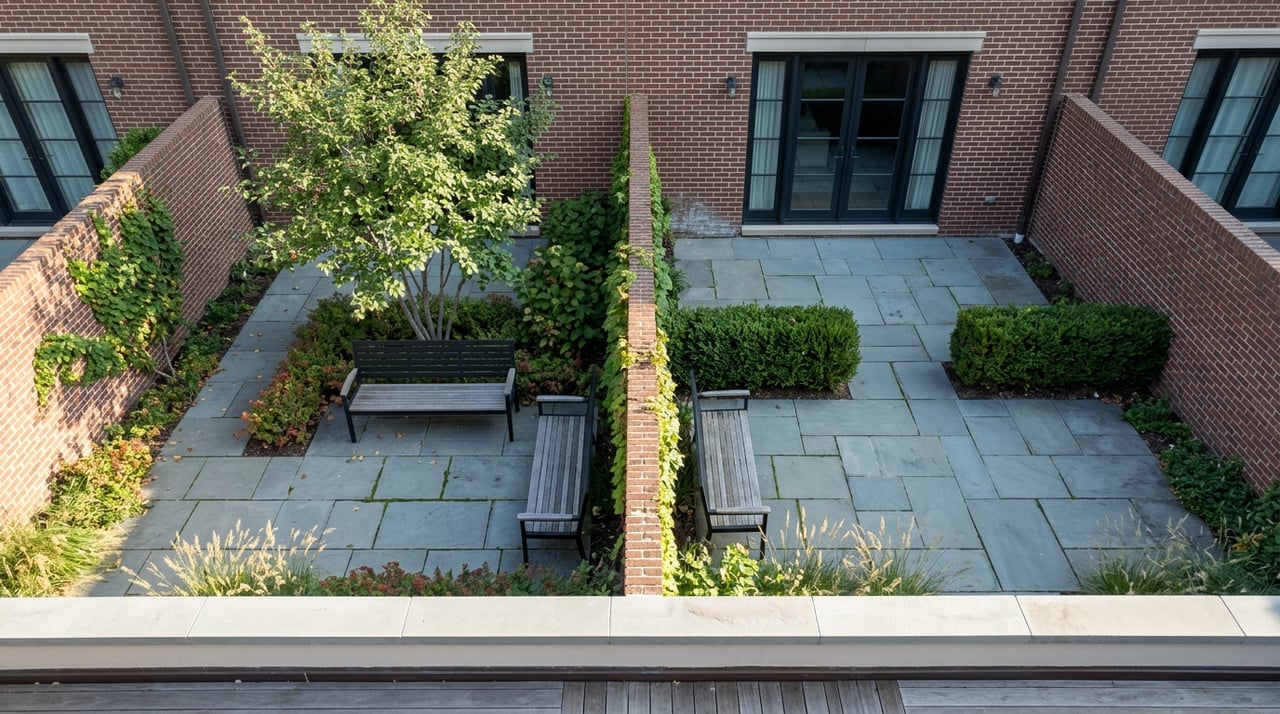
Walk past the Gramercy Park Hotel this month and you will notice the scaffolding has thinned out. Workers are visible through the ground-floor windows on Lexington Avenue, and the block has the particular quiet of a building that is almost, but not quite, ready to reopen its doors. As Alignment NY has reported, the hotel has been closed since March 2020; signs of its return are news worth pausing for.
The hotel's return is one part of a broader set of changes around Gramercy Park this year. This roundup also takes in restaurant and retail moves, new development near the park, and the role of its private garden in the neighborhood.
A Long Vacancy Finally Has a Date
MCR Hotels bought the Gramercy Park Hotel in 2023 with plans to reopen in 2025. That timeline slipped. As of this past summer, the hotel is expected to reopen this fall under Tyler Morse, the same developer behind the TWA Hotel and the High Line Hotel.
What is coming back is more specific than a typical relaunch. Community outreach has described a restored Rose Bar, a rooftop venue, a new restaurant occupying the former Maialino space, a wine bar with outdoor seating, and a basement speakeasy built to hold 200 people. The rooftop detail matters more than it sounds. It will be the only venue in the neighborhood with an aerial view into Gramercy Park itself, since the park's iron fence and the height limits of the townhouses around it mean almost no one else gets that vantage point. That view is the entire commercial premise of the address.
Maialino Didn't Leave. It Moved Two Doors Down
If you assumed the hotel's long closure emptied out its restaurant roster, it didn't quite work that way. Maialino, the Roman trattoria that anchored the hotel's ground floor for over a decade, relocated to 67 Irving Place rather than closing. Gramercy Tavern, the other name people associate with this stretch of East 20th Street, never left at all.
That continuity is worth noticing because it tells you something about how this particular four-block radius behaves compared to neighborhoods without a private park at the center. Retail elsewhere in Manhattan turns over when a lease ends or a landlord wants a rent increase. Around Gramercy Park, the businesses that have staying power tend to keep it, even through the long vacancy next door, because the park's presence anchors foot traffic and reputation in a way that outlasts any single building's renovation schedule.
The Ground Floor Now Comes With a Building Attached
The Gramercy Park Block Association, the residents' group that holds keys to the park and negotiates with any operator seeking a liquor license at its edge, has reportedly been in dialogue with Morse for months about what comes back into the hotel's ground floor. The hotel's restart is taking shape through both that dialogue and the construction work.
The same pattern shows up a few blocks away in a very different kind of deal. A ground-up development at 38 Gramercy Park East is underway, and by scale it will be the largest building of its kind constructed in the area surrounding the park in a century. The assemblage behind it happened in two separate moves: the developers paid $72 million for 252-258 Third Avenue in February 2024, then separately acquired 37 Gramercy Park East and 38 Gramercy Park North for $47 million, a deal structured specifically to secure air rights, a Gramercy Park address, and private access to the gated garden for future residents.
Meanwhile, Solidcore has taken ground-floor space at 200 East 20th Street. On its own, a boutique fitness studio moving in is unremarkable. Set next to the hotel and the new tower, it fits a pattern that locals have started to notice: ground-floor space that once might have gone to a dry cleaner or a copy shop is increasingly filled by tenants that read as extensions of the building above them rather than independent neighborhood retail. If you live upstairs, it is an amenity. If you live across the street, it is the space where the copy shop used to be.
A Different Kind of Reopening Two Blocks North
It helps to see the contrast just outside the park's radius. The Flatiron Building, a few blocks northwest, is being converted from offices into 37 condominiums by the Brodsky Organization and the Sorgente Group, with interiors designed by William Sofield. As part of that conversion, the building will be illuminated at night for the first time in its history, with a new LED lighting scheme from L'Observatoire International.
The building's ground floor is going to Bar Pisellino, an all-day Italian cafe from Rita Sodi and Jody Williams, the chefs behind Via Carota and I Sodi in the West Village. Construction started this summer, with an opening expected in 2027. It is the kind of deal that happens constantly in Manhattan: a landmark building gets new ownership, a well-known restaurant group signs a lease, and the tenant moves in once construction wraps. The transaction does not involve a residents' association or a garden key.
That contrast reflects the park's private access, which gives the hotel reopening a neighborhood context not present in the Flatiron deal.
What This Fall Actually Looks Like on the Ground
If you already live around Gramercy Park, here is the short version of what to watch. The hotel's reopening this fall is the biggest single event, and its ground-floor tenant list will help show where the neighborhood is headed. Maialino's move to Irving Place and Gramercy Tavern's continued presence on East 20th Street mean familiar culinary anchors remain nearby rather than disappearing. The 38 Gramercy Park East project is a multi-year build, so the fencing and site work you're seeing now is the early phase of something that will define that corner for a long time. The hotel operator's reported dialogue with the association is one part of its reopening story.
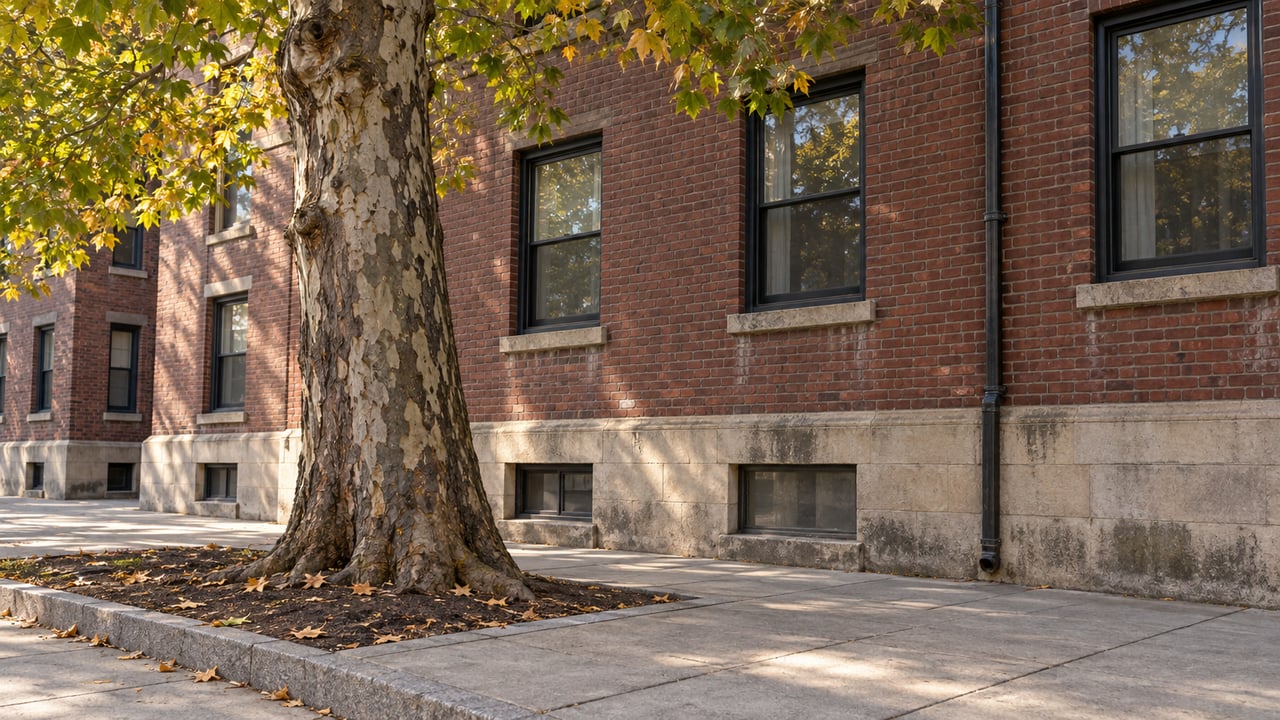
The park remains a distinctive part of Gramercy's setting, even as nearby buildings change hands. Its private status and the changes around it are part of the neighborhood's story.
If you are curious about how these shifts around Gramercy Park and the Flatiron District translate into value for buyers, sellers, or investors watching the area, Elena Smirnova tracks this market closely and is always glad to talk through what a specific building or block is really worth right now.